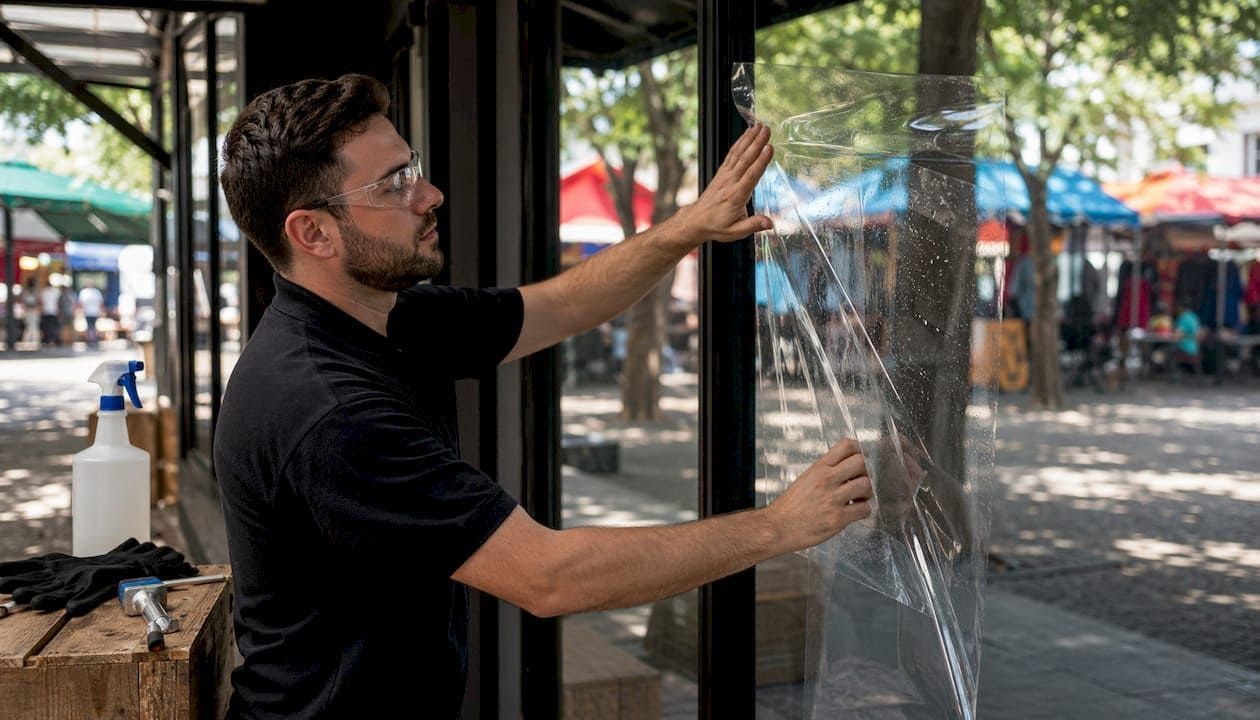

Maximize commercial window tinting value with warranties
Many commercial property managers believe film warranties are simply afterthoughts, nice to have extras that rarely matter. That misconception can cost you thousands when film fails prematurely or installation defects emerge years later. Understanding
commercial window film warranties protects your investment, ensures sustained energy savings, and safeguards building safety performance. Film warranties are critical contracts that define exactly what protection you receive when investing in
commercial window tinting.

Table of Contents
- Introduction To Commercial Window Tinting And Film Warranties
- Types And Duration Of Film Warranties In Commercial Tinting
- Common Warranty Exclusions And Customer Responsibilities
- How Film Warranties Support Energy Efficiency And Building Safety
- Common Misconceptions About Film Warranties
- How To Select And Verify Warranty Coverage For Commercial Tinting
- Summary And Next Steps For Commercial Property Managers And Business Owners
- Explore Professional Commercial Window Tinting With Trusted Warranty Support
- Frequently Asked Questions
Key takeaways
| Point | Details |
|---|---|
| Warranty coverage scope | Film warranties protect against material and workmanship defects for 5 to 15 years, covering bubbling, peeling, and discoloration. |
| Dual warranty importance | Installer warranties cover application workmanship and must complement manufacturer warranties for complete protection. |
| Common exclusions | Warranties exclude vandalism, improper maintenance, abrasive cleaning, and environmental damage from coverage. |
| Performance guarantees | Warranties ensure long-term energy savings and safety performance by protecting film integrity over time. |
| Verification requirements | Verifying warranty details and installer certification before installation prevents claim denials and disputes. |
Introduction to commercial window tinting and film warranties
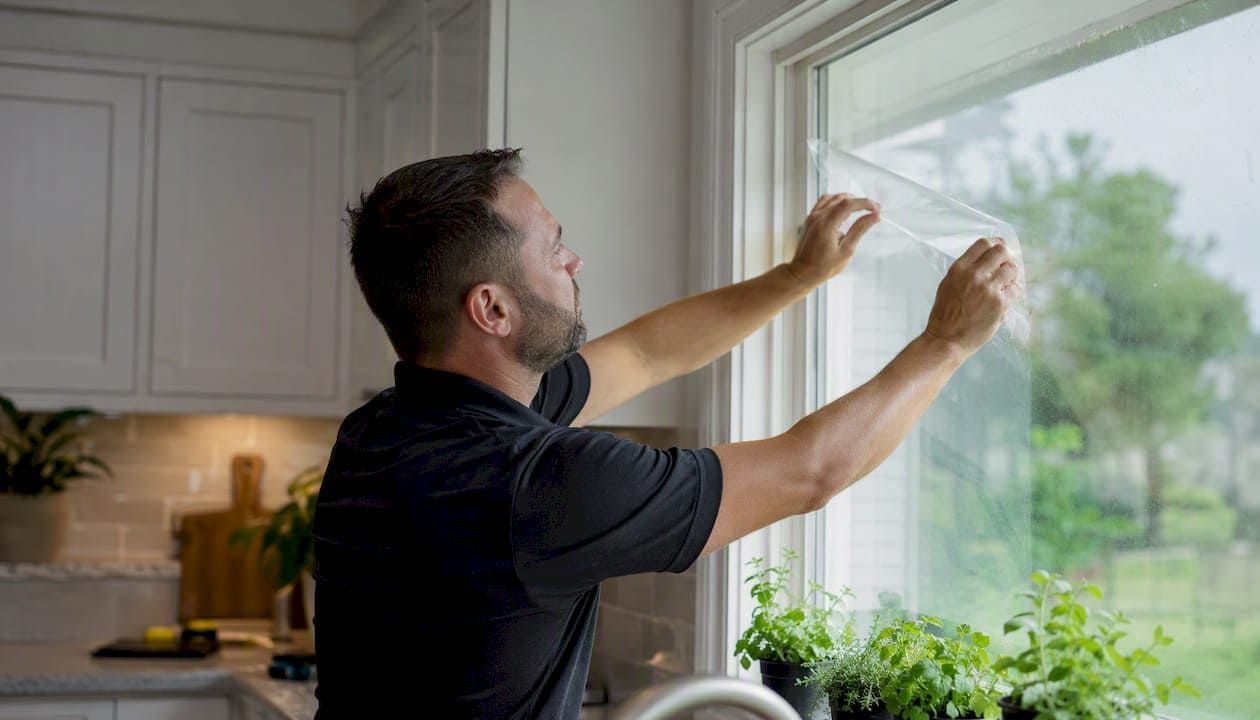
Commercial window tinting applies specialized films to building glass to control heat, enhance security, reduce glare, and improve energy efficiency. These films serve as invisible barriers that transform ordinary windows into high-performance building components. Property managers and business owners rely on window films to cut cooling costs, protect occupants, and extend the lifespan of interior furnishings.
Several film types address different commercial needs. Solar control films reject heat and UV radiation while maintaining natural light. Safety and security films hold glass together during impacts, deterring break-ins and reducing injury risks.
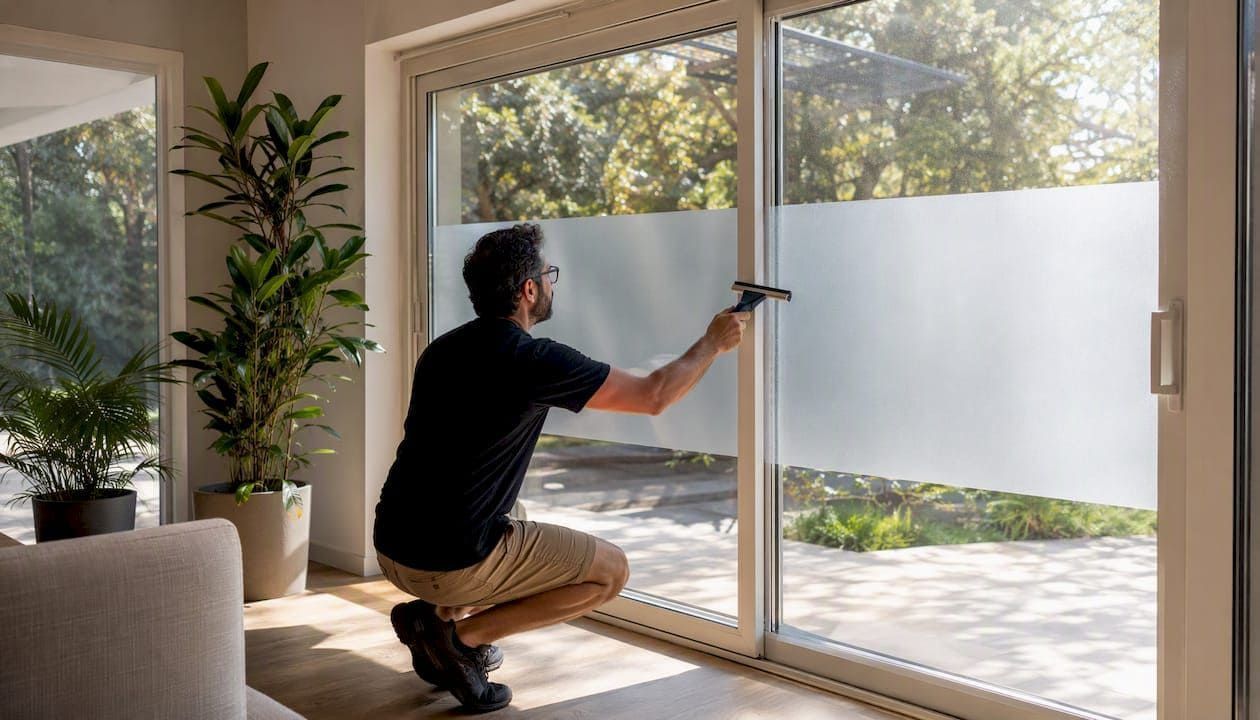
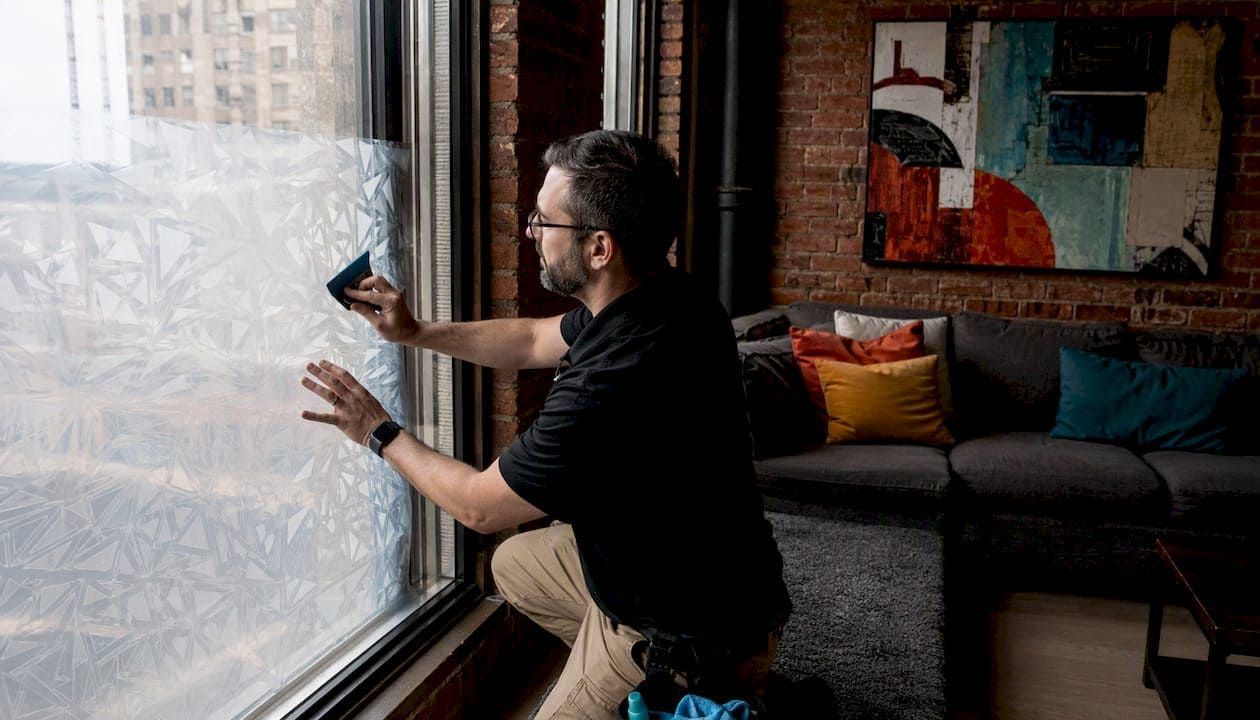
Decorative films provide privacy and aesthetic enhancement. Each film type delivers specific performance benefits critical to building operations.
Film warranties safeguard these investments by guaranteeing material integrity and installation quality. Commercial window film manufacturers provide warranties between 5 to 15 years covering defects such as bubbling, peeling, cracking, delamination, and discoloration. Without robust warranty protection, you risk paying again for replacement films or repairs when defects appear. Understanding warranty coverage ensures you select products and installers who stand behind their work.
Key warranty coverage areas include:
- Material defect protection against manufacturing flaws
- Workmanship guarantees covering proper installation techniques
- Performance specifications ensuring films deliver promised heat rejection and UV blocking
- Replacement or repair provisions when covered defects occur
Exploring commercial window film types comparison helps you identify which films best match your building needs and which warranty terms apply to each product category.
Types and duration of film warranties in commercial tinting
Understanding the two primary warranty types clarifies who covers what when problems arise. Manufacturer warranties protect against material defects inherent in the film itself. These warranties cover issues like spontaneous bubbling, peeling edges, discoloration from UV exposure, adhesive failure, and film delamination. Manufacturer warranties cover material and workmanship defects typically lasting 5 to 15 years, with premium films sometimes offering lifetime limited coverage.
Installer warranties address application quality. Poor installation technique creates bubbles, creases, misalignment, incomplete adhesion, and edge lifting. Installer warranties cover bubbles, creases, and misalignment due to improper application. These warranties often mirror manufacturer warranty durations but may be shorter depending on the installer's confidence and experience.
Warranty duration varies significantly based on film quality and type. Entry-level films typically offer 5 to 7 year warranties suitable for short-term installations or budget-conscious projects. Mid-range commercial films provide 10 to 12 year coverage, balancing cost and longevity. Premium films feature 15 year or lifetime limited warranties, ideal for long-term building ownership and maximum performance assurance.
| Warranty Type | Coverage Scope | Typical Duration | Key Protections |
|---|---|---|---|
| Manufacturer | Material defects | 5 to 15 years | Bubbling, peeling, discoloration, delamination |
| Installer | Workmanship errors | 5 to 15 years | Application bubbles, creases, misalignment, edge lifting |
| Limited Lifetime | Material defects | Building lifetime | Material integrity with conditions and exclusions |
Understanding these warranty structures helps you assess product quality and installer reliability. Films with longer warranties signal manufacturer confidence in material durability. Installers offering substantial workmanship warranties demonstrate commitment to quality application. Requesting a commercial window tinting free estimate allows you to compare warranty terms across different film options and installation providers.
Common warranty exclusions and customer responsibilities
Warranties protect against defects, not damage from external causes or neglect. Recognizing common exclusions prevents unrealistic expectations and claim disappointments. Warranties commonly exclude damage from vandalism, improper cleaning, abrasive materials, and environmental factors like severe weather. Intentional damage, accidents, and acts of nature fall outside warranty coverage.
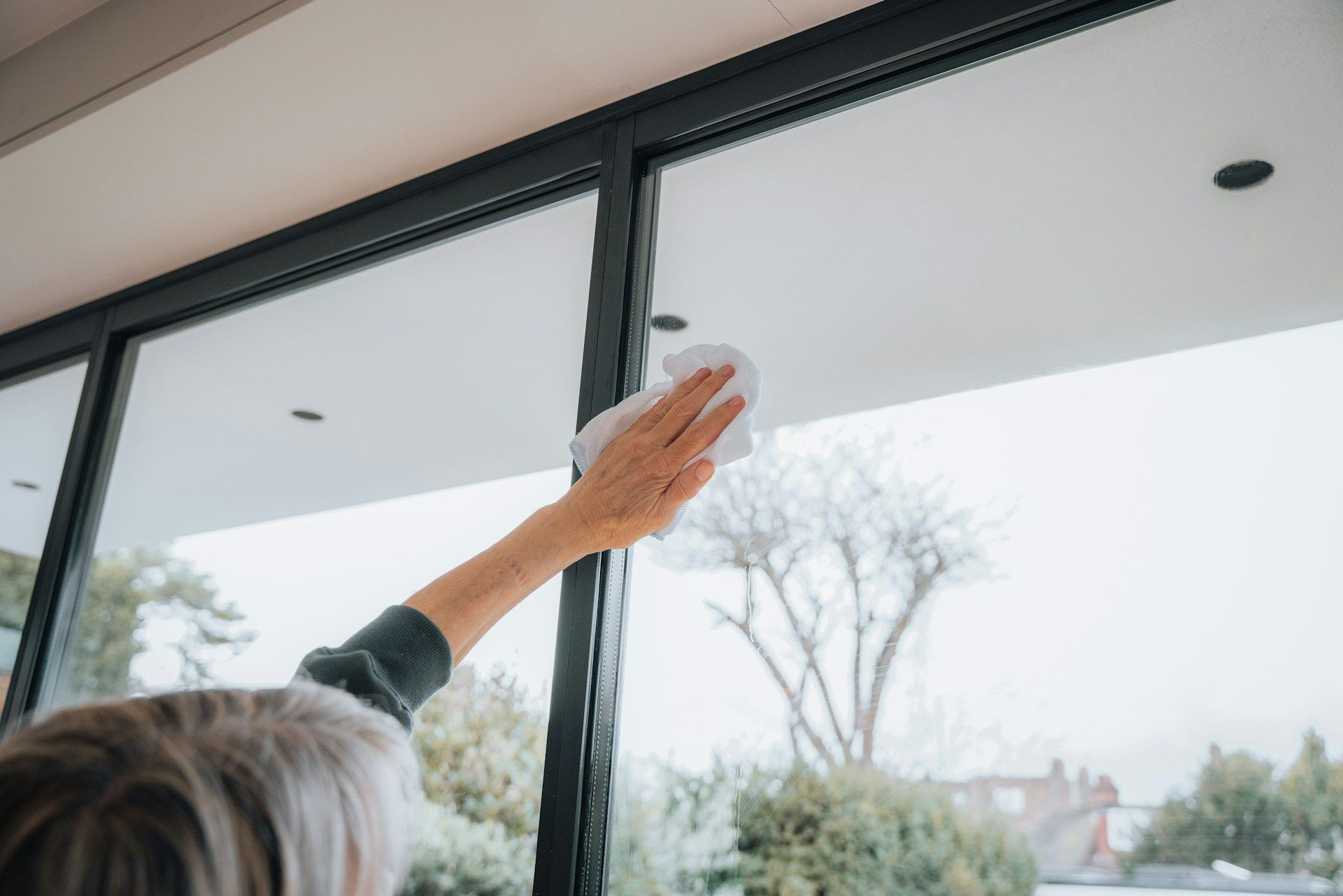
Improper maintenance voids warranty protection faster than any other factor. Using ammonia-based cleaners, abrasive sponges, razor blades, or harsh chemicals damages film surfaces and adhesives. Manufacturers specify approved cleaning methods, typically soft cloths with mild soap solutions. Ignoring these guidelines releases manufacturers and installers from warranty obligations even when legitimate defects exist.
Customer responsibilities extend beyond cleaning practices. You must report defects promptly, usually within 30 to 90 days of discovery. Delayed reporting can void claims if defects worsen due to neglect. Maintaining proper HVAC systems prevents excessive interior condensation that degrades film adhesion. Allowing building modifications near filmed windows without installer consultation may trigger exclusions.
Common warranty exclusions include:
- Vandalism, graffiti, or intentional damage
- Scratches from improper cleaning or contact
- Discoloration from chemical exposure or improper cleaners
- Damage from building modifications or glass replacement
- Normal wear and minor cosmetic changes over time
- Extreme weather events, hail, or flying debris
Pro Tip: Maintain detailed maintenance logs documenting cleaning schedules, products used, and any defects noticed. These records support warranty claims by proving you followed manufacturer guidelines and identified issues promptly.
Reviewing commercial window film types comparison reveals that different film categories have unique maintenance requirements and exclusion lists. Security films may have different impact-related exclusions than decorative films.
How film warranties support energy efficiency and building safety
Warranties do more than protect against defects. They guarantee sustained performance that drives ongoing energy savings and occupant safety. Quality commercial window films can block up to 81% of solar heat, significantly reducing energy costs while warranties ensure sustained performance over time. Without warranty-backed performance guarantees, films could degrade silently, losing heat rejection capability and increasing HVAC loads.
Consistent
solar control performance directly impacts your bottom line. When films maintain their specified heat rejection rates throughout the warranty period, cooling costs remain predictably lower. Degraded films allow heat infiltration, forcing HVAC systems to work harder and consuming more energy. Warranty coverage ensures you can demand replacement when performance drops below specifications.
Safety film warranties protect building occupants by guaranteeing shatter resistance and glass retention capabilities. These films hold broken glass in place during impacts, preventing dangerous shards from injuring people or damaging property. Warranty coverage confirms films will maintain adhesive strength and tensile properties necessary for safety performance throughout their rated lifespan.
Installation errors are a leading cause of warranty claims, highlighting the importance of certified installers for sustained safety and efficiency. Poor application creates weak points where films separate from glass, compromising both energy performance and safety features. Installer warranties address these risks by holding installation professionals accountable for proper technique.
Key warranty-backed performance benefits include:
- Sustained heat rejection maintaining lower cooling costs year after year
- Consistent UV blocking protecting furnishings, artwork, and flooring from fading
- Reliable glare reduction supporting occupant comfort and productivity
- Guaranteed shatter resistance ensuring ongoing safety protection
- Preserved aesthetic appearance maintaining professional building image
These performance guarantees boost return on investment by ensuring films deliver promised benefits throughout their rated lifespan. Understanding
how window tinting can lower office energy costs and learning about
retail window tint benefits demonstrates how warranty-backed performance translates to real financial advantages.
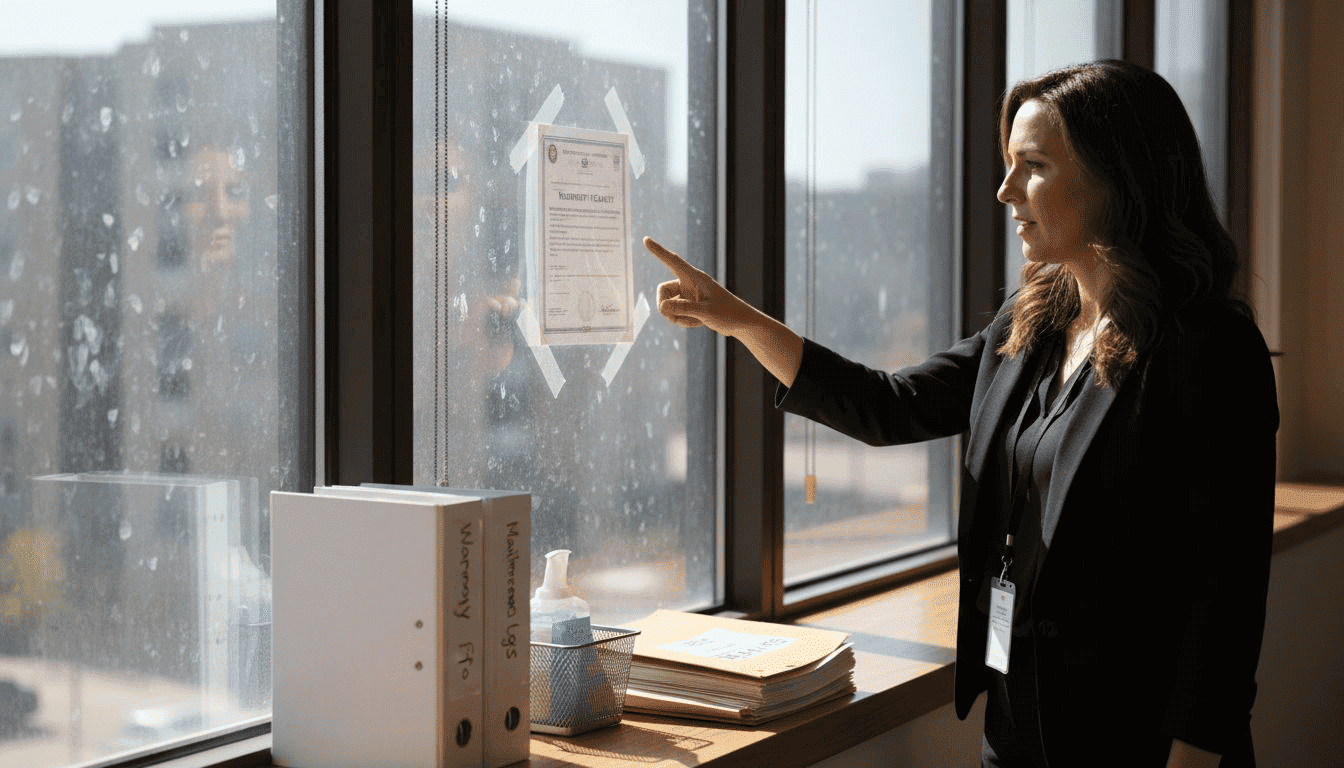
Common misconceptions about film warranties
Misunderstanding warranty coverage creates frustration and financial surprises. Correcting these misconceptions sets realistic expectations and helps you maximize warranty value. The most common myth assumes warranties cover all damage regardless of cause. Many believe warranties cover vandalism or maintenance damage; however, most exclude such issues, requiring careful upkeep and realistic expectations.
Another widespread misconception treats installer warranties as optional extras. Some property managers focus exclusively on manufacturer coverage, assuming material warranties suffice. Installer warranties prove critical when application defects cause bubbling, peeling, or adhesion failure. Without installer coverage, you pay out of pocket for reinstallation even when using premium films.
Lifetime warranty claims often mislead buyers. These warranties rarely mean unlimited coverage for building lifetime. Most include strict conditions limiting coverage to original building ownership, specific maintenance requirements, and pro-rated replacement costs after initial years. Reading fine print reveals that lifetime warranties frequently offer less protection than shorter, more comprehensive fixed-term warranties.
Some assume all warranties automatically transfer to new building owners. Most manufacturer warranties are non-transferable or require formal transfer processes with fees and conditions. Failing to complete transfer paperwork leaves new owners without protection despite previous warranty investments.
Common warranty misconceptions include:
- Believing warranties cover damage from any cause including vandalism or accidents
- Assuming manufacturer warranties alone provide complete protection without installer coverage
- Thinking lifetime warranties offer unlimited protection without conditions or exclusions
- Expecting automatic warranty transfer to new property owners without formal processes
- Presuming warranties cover aesthetic preferences or minor cosmetic variations
Clarifying these misunderstandings before installation prevents disappointment and helps you select appropriate warranty coverage. Reviewing commercial window film types comparison shows how warranty terms vary significantly across product categories and price points.
How to select and verify warranty coverage for commercial tinting
Protecting your investment starts with thorough warranty verification before signing contracts. Smart property managers follow systematic evaluation processes to ensure they receive promised coverage. Start by requesting detailed written warranty documents from both manufacturers and installers. Verbal promises hold no value when filing claims years later.
Verify installer certification and credentials through manufacturer websites. Certified dealers and authorized installers receive training, maintain insurance, and access manufacturer support for warranty claims. Uncertified installers may offer lower prices but provide no manufacturer warranty backing, leaving you vulnerable when defects appear.
Document warranty terms thoroughly at contract signing. Compare manufacturer and installer warranty durations, coverage scopes, exclusions, and claim procedures. Ensure contracts specify who handles warranty claims, response timeframes, and repair or replacement processes. Ambiguous warranty language creates disputes and delays when you need coverage most.
Maintain organized records of installation dates, warranty registration, maintenance activities, and any communications with installers or manufacturers. Digital copies stored in multiple locations ensure you can access documentation when filing claims. Photograph installations immediately after completion to document initial condition and proper application.
Steps to verify and maximize warranty coverage:
- Request written warranty documents covering material defects and installation workmanship
- Verify installer certification through manufacturer databases or authorization lists
- Compare warranty terms across multiple film options and installation providers
- Document all warranty details in signed contracts before installation begins
- Register warranties with manufacturers promptly after installation completion
- Maintain detailed maintenance logs and photographic installation records
Pro Tip: Request manufacturer warranty registration confirmation directly from the manufacturer, not just from your installer. Direct confirmation ensures your warranty is properly filed and activated in manufacturer systems.
Installer warranties complement manufacturer warranties and are essential for workmanship claims that could otherwise void coverage. Getting a commercial window tinting free estimate from certified professionals allows you to compare warranty offerings and select providers offering comprehensive protection.
Summary and next steps for commercial property managers and business owners
Commercial window film warranties protect significant investments by guaranteeing material integrity and installation quality for 5 to 15 years. Manufacturer warranties cover defects like bubbling, peeling, and discoloration inherent in film materials. Installer warranties address workmanship issues including application bubbles, creases, and adhesion failures. Both warranty types work together to provide complete protection and ensure sustained energy savings and safety performance.
Understanding common exclusions and customer responsibilities prevents claim denials. Warranties exclude vandalism, improper maintenance, and environmental damage. Following manufacturer cleaning guidelines and maintaining detailed records supports successful claims when legitimate defects occur. Verifying installer certification and warranty terms before installation ensures you receive promised coverage and professional service quality.
Actionable checklist for maximizing warranty benefits:
- Request detailed written warranties covering materials and workmanship
- Verify installer certification and manufacturer authorization status
- Document warranty terms in signed contracts before installation
- Register warranties directly with manufacturers after installation
- Follow manufacturer maintenance guidelines and keep detailed logs
- Photograph installations and report defects promptly
- Store warranty documents and records in accessible locations
Taking these steps transforms warranties from afterthoughts into powerful tools protecting your building performance investments. Professional installation with comprehensive warranty backing delivers peace of mind and long-term value. Exploring a commercial window tinting free estimate connects you with certified professionals offering warranty-backed solutions.
Explore professional commercial window tinting with trusted warranty support
Surface Dynamics Window Tinting delivers certified commercial window film installation backed by comprehensive manufacturer and installer warranties throughout
Southern New Hampshire and Greater Boston. Our exclusive LLumar SelectPro Dealer status ensures access to premium Vista Films with industry-leading warranty coverage protecting your investment. Every installation includes detailed warranty documentation and manufacturer registration for complete peace of mind.
Explore our commercial window film viewer tool to compare film options, review warranty terms, and visualize performance benefits for your specific building needs. Request a commercial tinting free estimate to receive customized recommendations with complete warranty details. Review our recent window tinting projects gallery to see warranty-backed installations delivering sustained energy savings and safety protection across diverse commercial properties.
Frequently asked questions
What does a manufacturer's film warranty typically cover?
Manufacturer warranties cover defects in materials and workmanship including bubbling, peeling, cracking, delamination, and discoloration that occur under normal use conditions. These warranties exclude damage from vandalism, improper maintenance, abrasive cleaning, or environmental factors like severe weather.
Why is an installer warranty important alongside the manufacturer's warranty?
Installer warranties cover workmanship issues like bubbles, creases, misalignment, and adhesion failures resulting from improper application techniques. They complement manufacturer warranties by ensuring complete protection, since poor installation can void manufacturer coverage even when using premium films.
What common actions can void a commercial window film warranty?
Using improper cleaning methods with ammonia-based cleaners, abrasive materials, or harsh chemicals voids most warranties by damaging film surfaces and adhesives. Failing to follow manufacturer maintenance guidelines, delaying defect reporting, or allowing unauthorized building modifications near filmed windows also triggers warranty exclusions.
How can commercial property managers verify warranty coverage before installation?
Request detailed written warranty documents from both manufacturers and installers specifying coverage scope, duration, exclusions, and claim procedures. Verify installer certification through manufacturer websites and maintain signed contracts documenting all warranty terms before installation begins to ensure enforceable protection.
Recommended