
Residential Window Tinting in Concord, NH: A Homeowner's Guide
TL;DR:
- Residential window tinting reduces heat transfer, blocks UV rays, and adds privacy without darkening rooms in Concord homes. Professional installation offers energy savings, UV protection, and improved comfort by preventing hot spots and glare, with most projects completing in one day. Proper assessment and film selection are essential to avoid damaging glass and ensure long-lasting benefits.
Residential window tinting is the application of specialized films to your home's windows that reduce heat transfer, block harmful UV rays, and enhance privacy without sacrificing natural light. For Concord homeowners, window tinting is one of the most cost-effective upgrades available, given New Hampshire's wide seasonal temperature swings. The right home window film in Concord can cut cooling costs by up to 30%, protect your furnishings from fading, and give you daytime privacy without heavy curtains. This guide covers film types, energy savings, the installation process, and the mistakes that cost homeowners money.
What are the best types of window film for residential homes in Concord, NH?
Window film for homes falls into five main categories, and each one solves a different problem. Knowing which type fits your needs is the first decision you make before calling any installer.
Solar control films are the most popular choice for Concord homeowners. They reduce heat gain in summer and limit heat loss in winter, making them well suited for New Hampshire's climate. Ceramic and spectrally selective films sit at the top of this category. They deliver strong heat rejection and optical clarity without noticeably darkening your rooms. The upfront cost is higher, but the long-term performance is superior to standard dyed films.
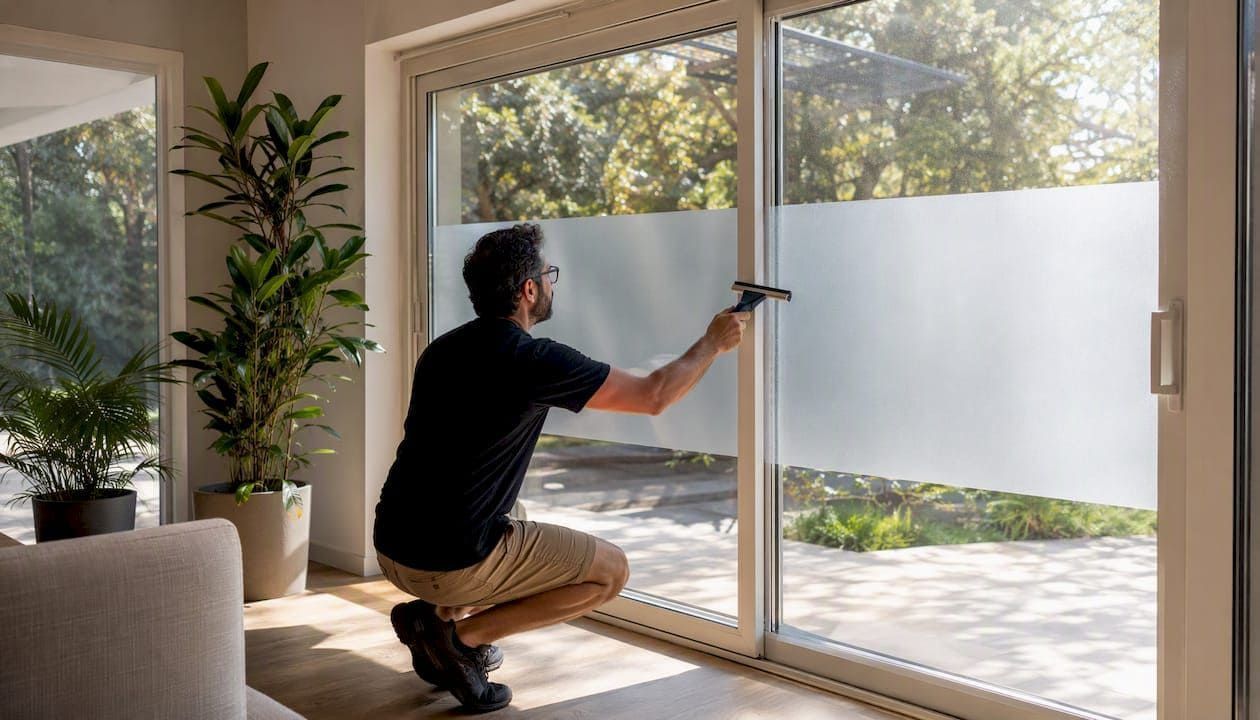
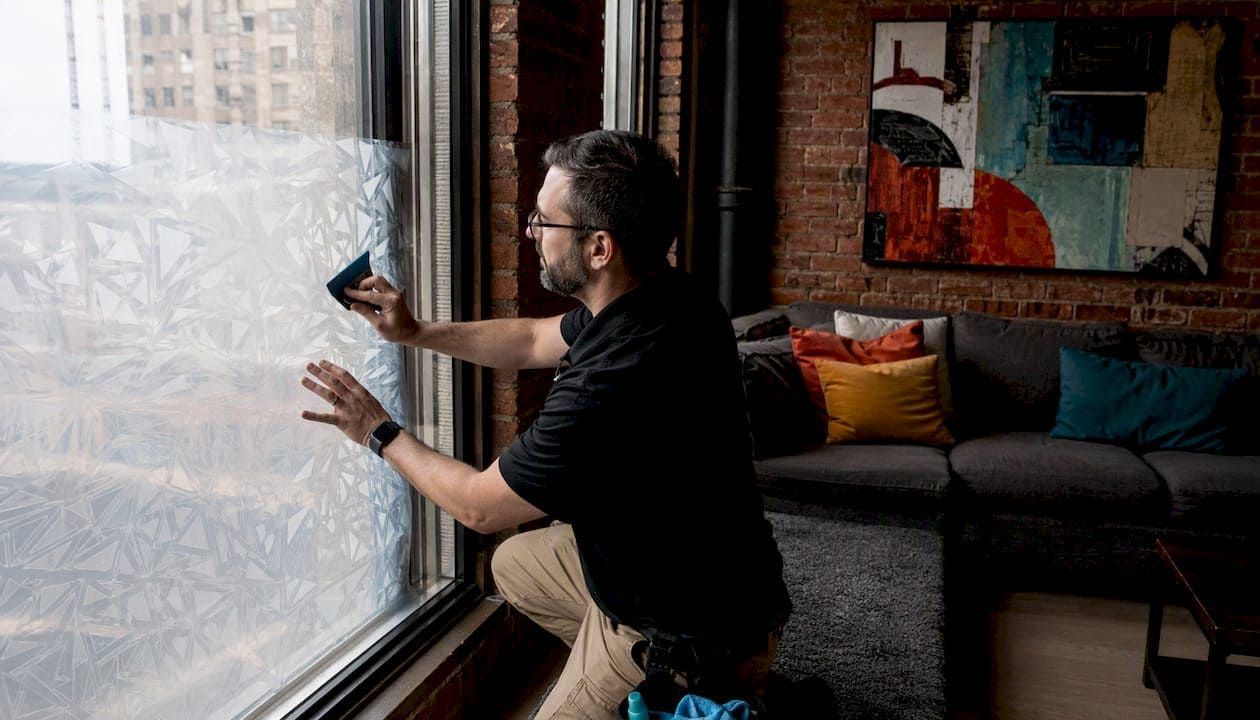
Decorative and privacy films serve a different purpose. They obscure sightlines from the street while letting diffused light through. Frosted, etched, and patterned options work well for bathrooms, entryways, and street-facing living rooms. They do not offer the same heat rejection as solar films, so homeowners with both goals often layer their choices by room.
Safety and security films hold shattered glass in place after impact. They are a practical addition for ground-floor windows, sliding doors, and any glass near entry points. Surfacetint installs LLumar Vista Safety and Security Films, which are engineered to resist forced entry and reduce injury risk from broken glass.
Here is a quick comparison of the main film categories:
| Film type | Primary benefit | Best application |
|---|---|---|
| Solar control (ceramic) | Heat rejection, glare reduction | South and west-facing windows |
| Spectrally selective | High clarity, strong UV blocking | Living rooms, large picture windows |
| Decorative/privacy | Visual privacy, aesthetics | Bathrooms, entryways, street-facing rooms |
| Safety/security | Shatter resistance | Ground-floor windows, sliding doors |
| Dyed solar | Basic heat reduction, lower cost | Budget-focused projects |
All high-performance solar films share one critical feature: they block up to 99% of UVA and UVB radiation. UV exposure accounts for roughly 40% of fade damage to hardwood floors, furniture, and artwork. That protection alone justifies the investment for many Concord homeowners.
How does residential window tinting improve home energy efficiency and comfort in Concord?
New Hampshire's climate creates a double challenge. Summers bring intense solar heat gain through glass, and winters demand that every BTU of warmth stays inside. Window film addresses both.
Quality window film can reduce cooling costs by 5% to 30%, depending on window orientation, glass surface area, and local climate variables. West-facing windows in Concord take the hardest afternoon sun hit, and solar films on those panes deliver the biggest measurable savings. Energy-efficient films also reduce heat loss by up to 30% in winter, which matters in a state where heating bills run high from november through march.
The comfort benefit is just as real as the bill savings. Heat rejection from window films stabilizes indoor temperatures by reducing the hot spots that form near large or poorly insulated windows. Your HVAC system cycles less frequently, which extends its service life and reduces maintenance costs. Homeowners with large picture windows or open-plan living areas notice the difference within the first week after installation.
Glare reduction is a benefit that rarely gets enough attention. Concord's low winter sun angle sends blinding light directly into south-facing rooms for months. Solar films cut glare without requiring you to close blinds, so you keep the view and the natural light while eliminating the eye strain. You can use the energy savings calculator on Surfacetint's website to estimate your specific savings before committing.
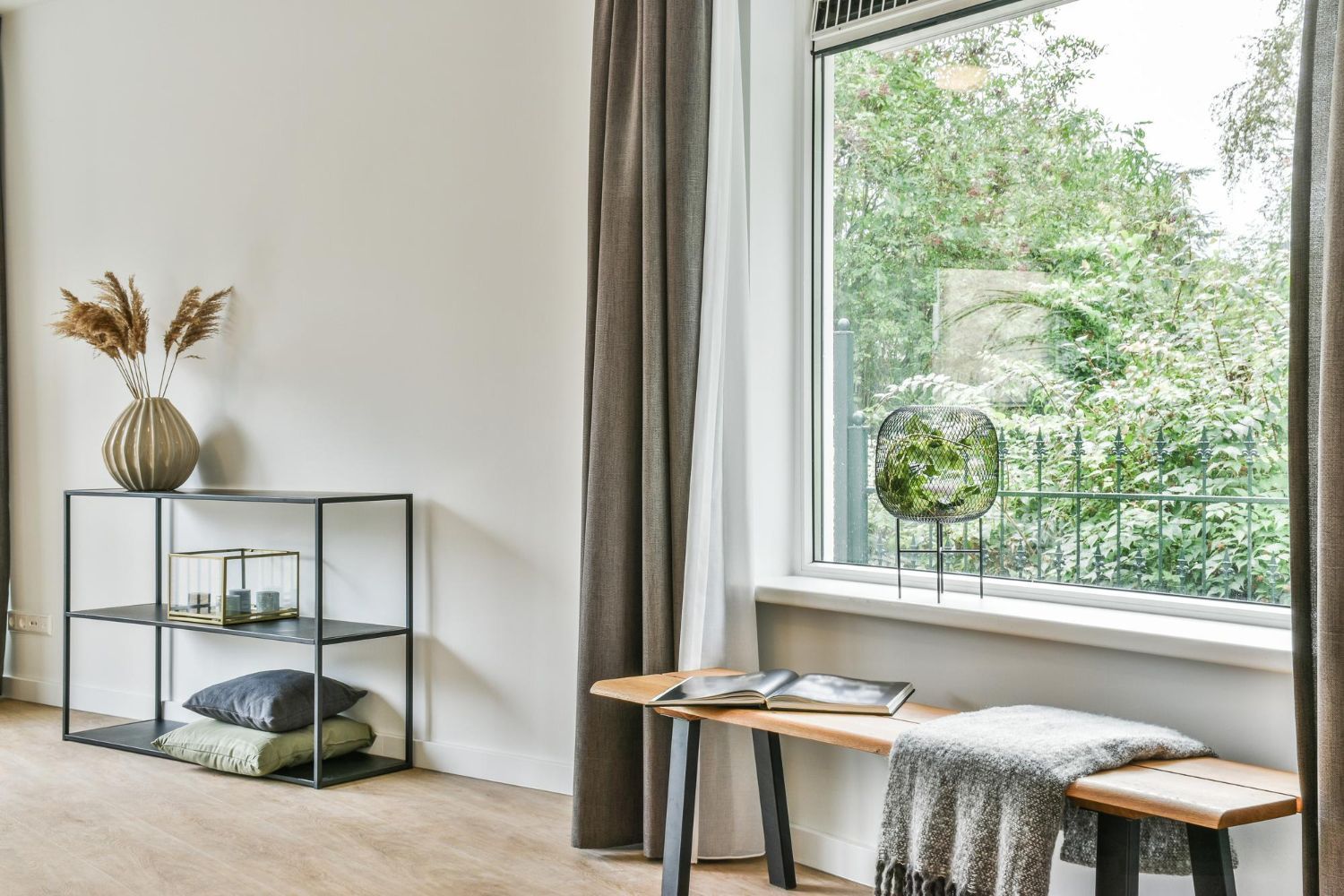
Window tinting also provides daytime privacy while allowing natural light to enter, reducing your dependence on curtains or blinds. That combination of privacy and brightness is something no curtain or shade can replicate.
What does the residential window tint installation process look like?
A professional installation follows a clear sequence, and knowing what to expect removes most of the uncertainty homeowners feel before the job starts.
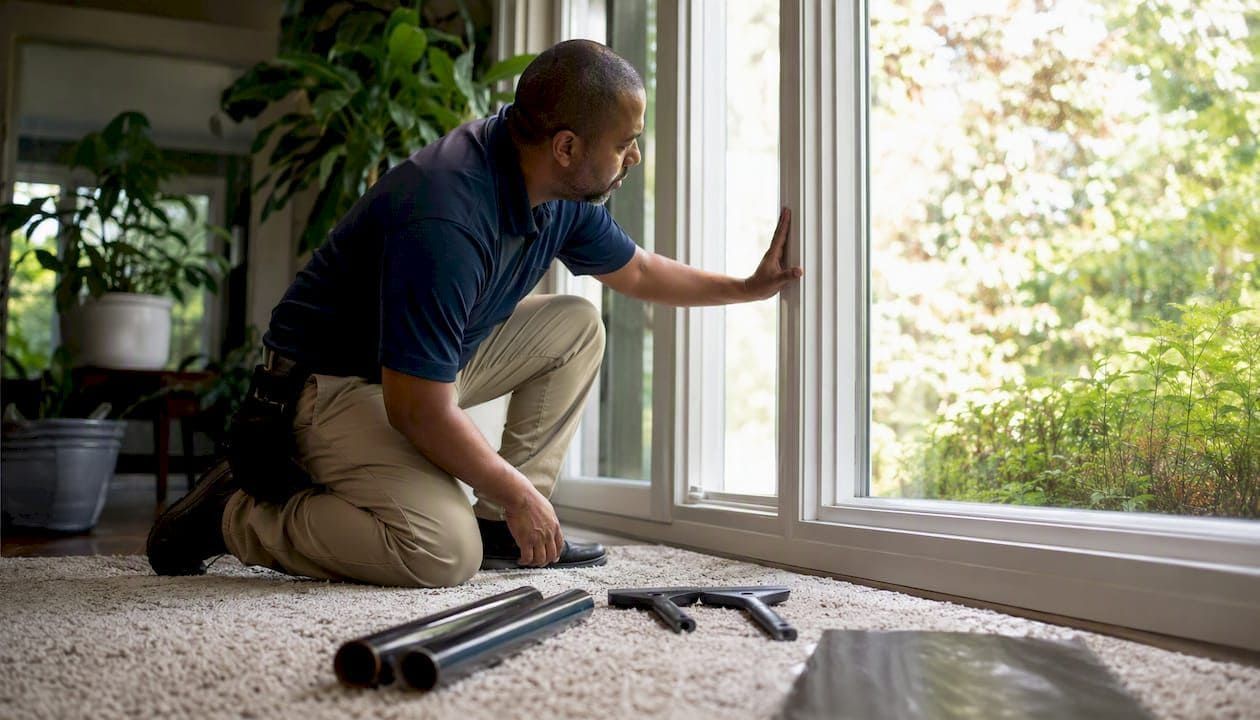
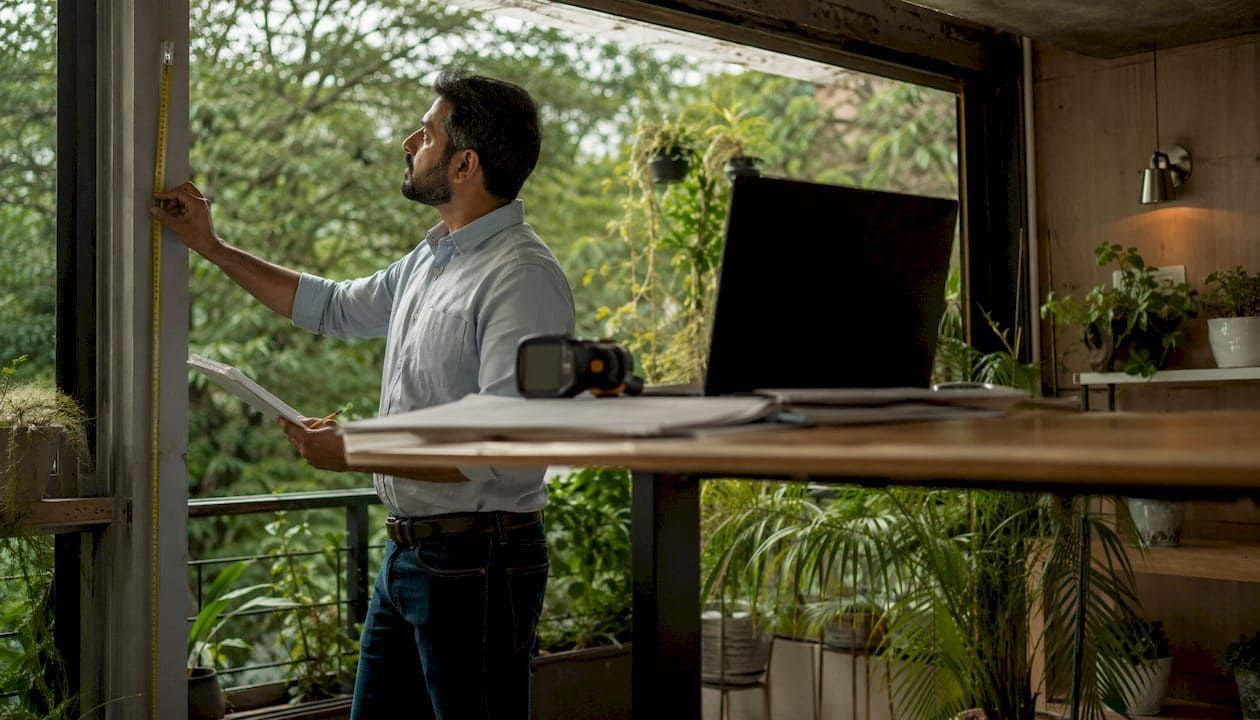
- Pre-installation consultation. A qualified installer assesses your windows, glass type, and existing coatings before recommending any film. This step is not optional. Skipping professional assessment can cause thermal stress fractures in certain glass types, which voids manufacturer warranties and permanently damages the pane.
- Film selection and measurement. The installer measures each window and cuts film to fit. Surfacetint uses LLumar Vista Films, which are precision-cut for each pane to eliminate gaps and edge lifting.
- Surface preparation. The glass is cleaned thoroughly with a professional-grade solution. Any residue, dust, or oil left on the glass creates bubbles and adhesion failures. This step takes longer than most homeowners expect.
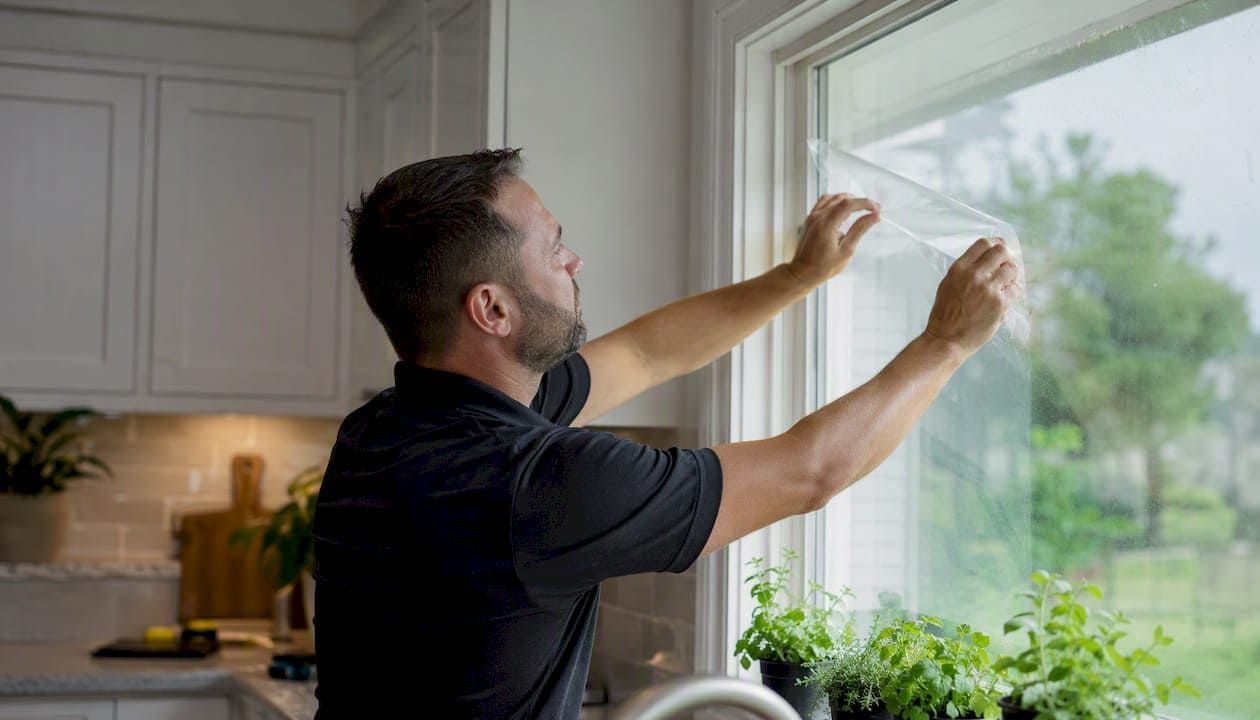
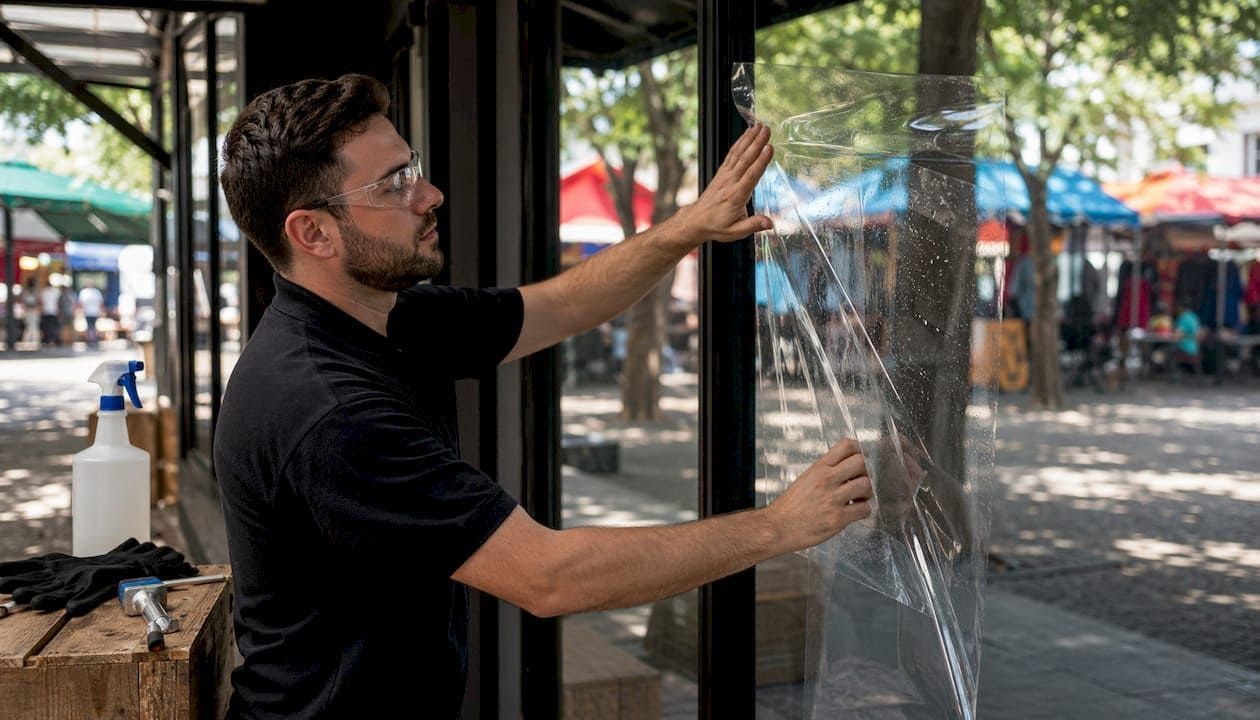
- Film application. The installer applies a slip solution to the glass, positions the film, and uses a squeegee to remove air and excess moisture. A standard residential project covering multiple windows typically completes in one working day.
- Post-installation inspection. The installer checks every pane for bubbles, edge alignment, and adhesion before leaving.
During the curing phase, which lasts 7 to 30 days depending on humidity and temperature, it is completely normal to see haze, streaks, or small water pockets under the film. These are trapped moisture bubbles that evaporate naturally through the film's pores. Do not attempt to squeegee or puncture them. They resolve on their own.
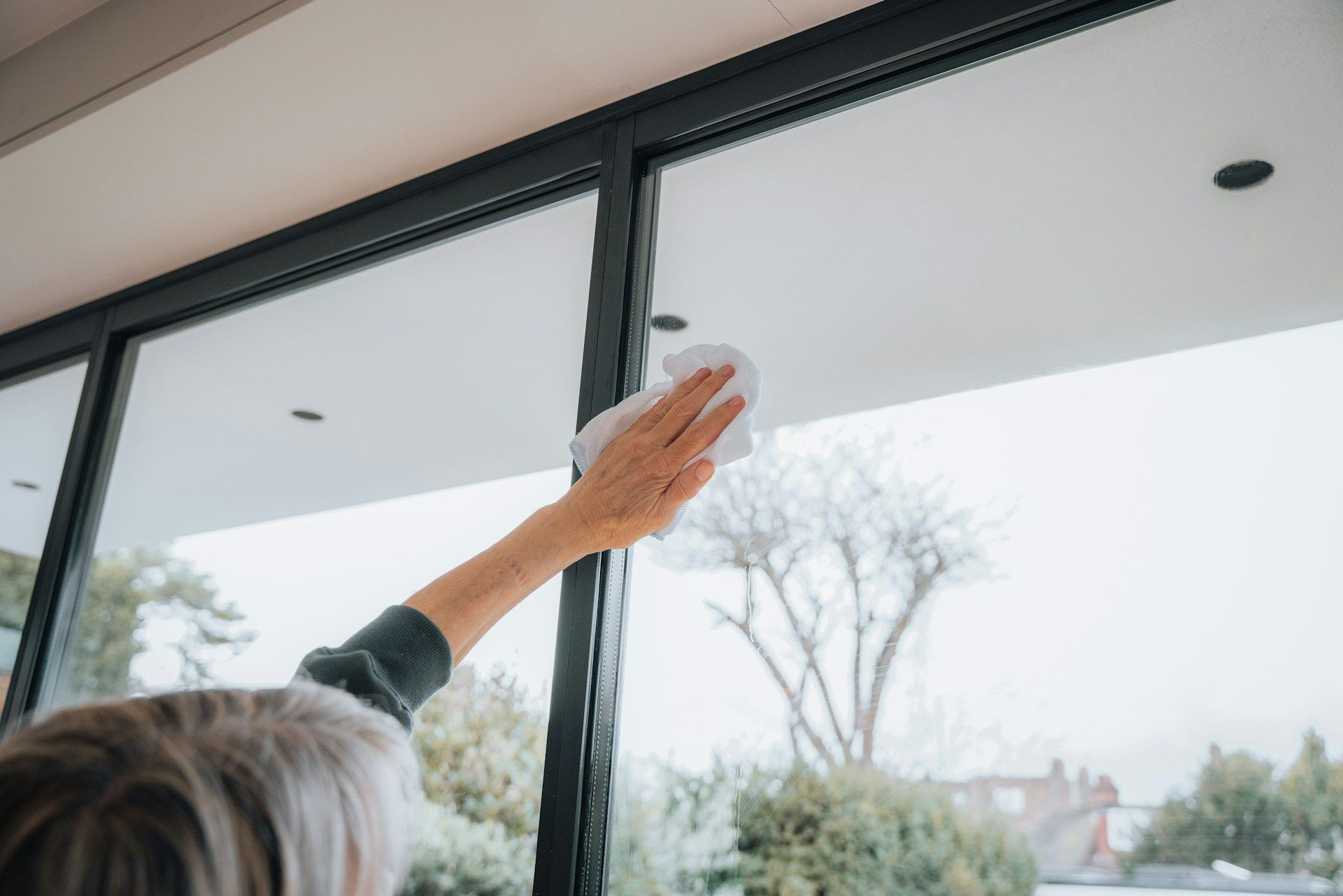
Pro Tip: Avoid cleaning your newly tinted windows for at least 30 days after installation. Use only a soft cloth and a mild, ammonia-free cleaner once the film has fully cured.
What are the key considerations and common mistakes when choosing window tint in Concord?
Most problems with residential window film trace back to three decisions: skipping the consultation, choosing the wrong film for the glass type, and attempting DIY installation.
Glass compatibility is non-negotiable. Tempered, laminated, and dual-pane insulated glass units each respond differently to solar films. Applying a high-absorption film to the wrong glass type creates uneven thermal expansion, which can cause permanent stress fractures. A professional consultation identifies these risks before any film goes on.
DIY installation carries real costs. Bubbles, misaligned edges, and adhesion failures are common outcomes of self-installed film. Beyond aesthetics, improper application can trap moisture and promote mold growth at the window frame. Professional installation from a certified dealer like Surfacetint comes with a manufacturer-backed warranty that DIY work cannot match.
Maintenance mistakes shorten film life. The most common error is cleaning tinted windows with ammonia-based products like standard glass cleaners. Ammonia degrades the adhesive layer over time, causing the film to peel and discolor. Use a soft microfiber cloth and an ammonia-free cleaner on every cleaning.
Here are the key selection and maintenance rules to follow:
- Choose film based on window orientation, not just aesthetics. South and west-facing windows need stronger heat rejection than north-facing ones.
- Ask your installer about the film's visible light transmission rating. Lower numbers mean darker rooms. Most Concord homeowners find 35%–50% VLT the right balance.
- For privacy goals, compare solar film versus privacy film before deciding. They solve different problems.
- Request a written warranty covering both the film and the installation labor.
- Never use razor blades or abrasive pads on tinted glass during cleaning.
Pro Tip: If your home has dual-pane windows, ask your installer specifically about low-emissivity (low-e) glass compatibility. Some solar films are not rated for use on existing low-e glass and can cause seal failure.
Key Takeaways
Residential window tinting in Concord, NH delivers measurable energy savings, UV protection, and privacy benefits when the right film is professionally installed on compatible glass.
| Point | Details |
|---|---|
| Energy savings are real | Quality solar films reduce cooling costs by 5%–30% and heat loss by up to 30% in winter. |
| UV protection matters | High-performance films block up to 99% of UVA and UVB rays, protecting floors, furniture, and artwork. |
| Film type drives results | Ceramic and spectrally selective films offer the best heat rejection and clarity for Concord's climate. |
| Installation takes one day | A full residential project typically completes in one working day, with a 7–30 day curing period after. |
| Professional assessment prevents damage | Skipping consultation risks thermal stress fractures and voided warranties on incompatible glass. |
What I've learned from watching New Hampshire homes get tinted
Most homeowners I talk to come in focused on one benefit, usually energy savings or privacy, and leave realizing the full picture is more layered than they expected. The energy argument is real and measurable. But the benefit that surprises people most is how much more comfortable a room feels when the hot spots near large windows simply disappear. That is not a marketing claim. It is a physical change in how heat moves through your home.
The mistake I see most often is homeowners treating window film as a DIY weekend project. New Hampshire's climate is demanding. Temperature swings between seasons are wide, and that thermal stress on glass is already significant. Adding an incompatible film to dual-pane or low-e glass without a proper assessment is a fast way to crack a pane or void an insulated glass unit warranty. The consultation is not a sales step. It is a safety check.
I also think the privacy benefit is underrated for Concord neighborhoods where homes sit close together. A quality solar film gives you full daytime privacy from the street without making your interior feel like a cave. That is a quality-of-life upgrade that pays off every single day, not just in summer. If you are weighing home window tinting benefits against the cost, factor in the daily comfort and the protection of your furnishings. The math looks different when you include those.
Getting started with window tinting for your Concord home
Surfacetint serves homeowners across Southern New Hampshire and the Greater Boston Area as an exclusive LLumar SelectPro Dealer. Every project starts with a professional consultation that assesses your glass type, window orientation, and specific goals before any film is recommended.
Whether your priority is cutting energy costs, protecting your interior from UV damage, or adding privacy to street-facing rooms, Surfacetint's team matches the right LLumar Vista Film to your home's specific needs. You can view completed projects in the residential tinting photo gallery to see real results from homes in the region. When you are ready to move forward, request a free home tinting estimate and get a clear picture of what professional installation costs and delivers for your property.
FAQ
How much does residential window tinting cost in Concord, NH?
Residential window film typically costs between $6 and $15 per square foot, depending on film type, glass surface area, and installation complexity. Ceramic and spectrally selective films sit at the higher end of that range but deliver stronger long-term performance.
How long does window tint last on home windows?
High-quality professional-grade films from manufacturers like LLumar typically carry warranties of 10 to 15 years for residential applications. Longevity depends on film quality, proper installation, and using ammonia-free cleaners during maintenance.
Will window tint make my rooms too dark?
Not if you choose the right visible light transmission rating. Most Concord homeowners find that films in the 35%–50% VLT range reduce glare and heat without noticeably darkening the room. Ceramic and spectrally selective films are specifically designed to reject heat while keeping interiors bright.
Can window film be applied to dual-pane windows?
Yes, but glass compatibility must be verified before installation. Certain high-absorption films are not rated for use on existing low-e dual-pane units and can cause seal failure or thermal stress fractures. A professional assessment from a certified installer like Surfacetint identifies compatibility issues before any film is applied.
How long does it take for window tint to fully cure?
The full cure period ranges from 7 to 30 days depending on local humidity and temperature. During that time, haze or small water pockets under the film are normal and resolve on their own as trapped moisture evaporates through the film.
Recommended