
Smart Window Treatments: 7 Energy Efficiency Tips for Homeowners
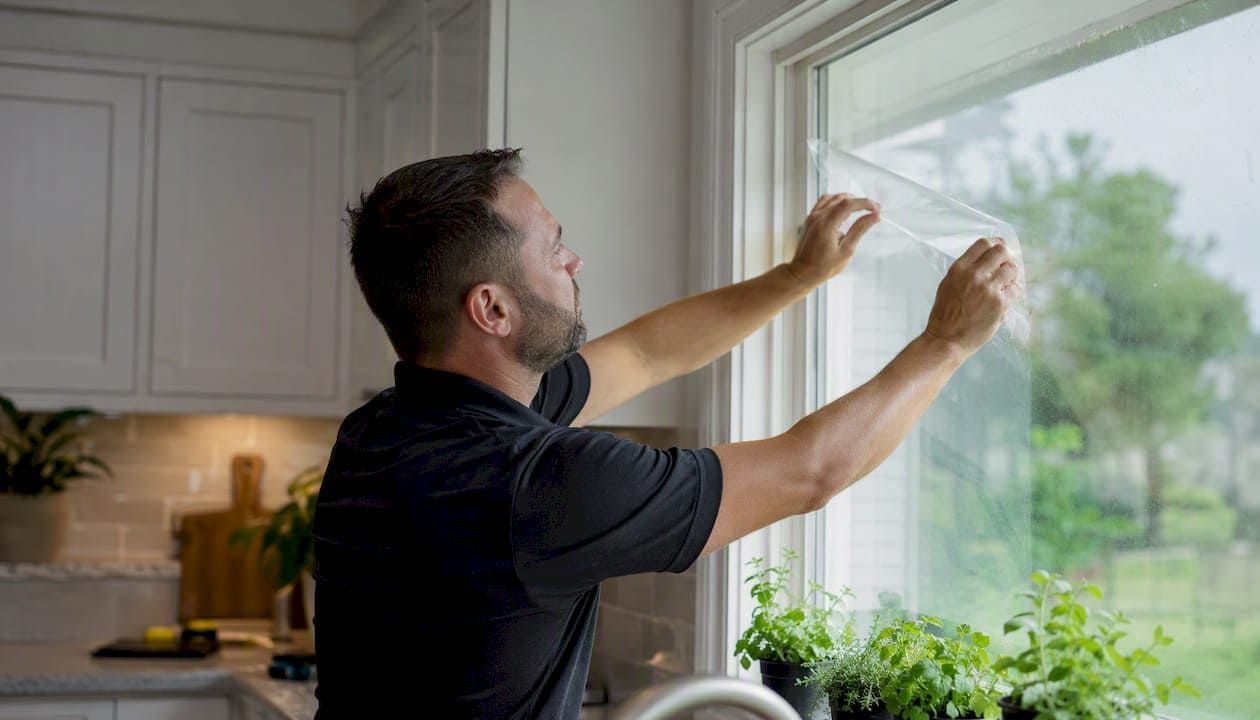
Choosing the right window treatments for your Southern New Hampshire or Greater Boston home can feel overwhelming when you're trying to balance insulation, natural light, and upfront costs. Cold winters demand effective solutions that keep heating bills manageable while maintaining comfort. The good news? Strategic window treatment choices backed by expert research can deliver measurable energy savings and year-round comfort. This guide shares seven practical tips to help you select, combine, and maximize window treatments for optimal energy efficiency in your home.
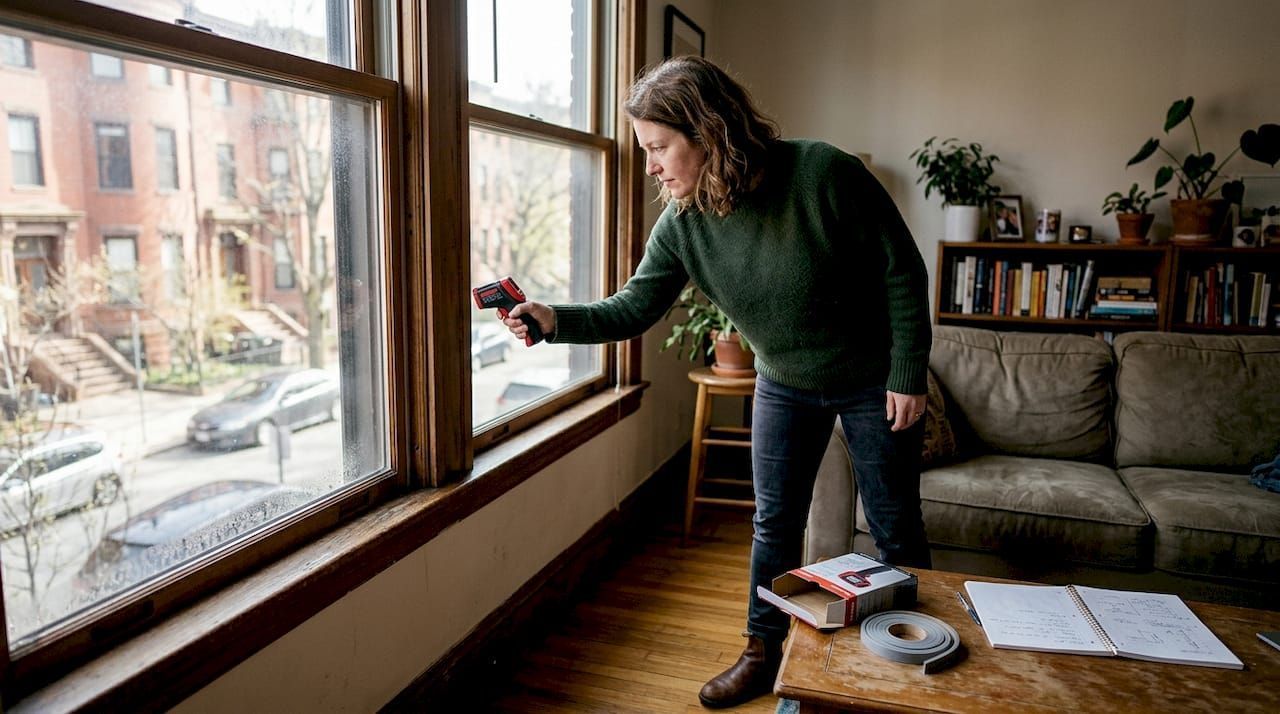
Table of Contents
- Key takeaways
- How to evaluate window treatments for energy efficiency
- Double-cell cellular shades: the top choice for cold winters
- Combining window treatments and behaviors for all-season comfort
- Maximizing savings with incentives and rebates
- Explore professional window tinting services for your home
- Frequently asked questions
Key Takeaways
| Point | Details |
|---|---|
| Double cell shades | Double cell shades provide dual air pockets that dramatically improve R value and can cut heating bills in cold climates. |
| Layering window treatments | Layering shades with drapes and curtains traps more air and reduces drafts beyond any single product. |
| Precise custom fitting | Professional measurement and installation seal gaps that would otherwise allow heat to escape. |
| Daily shading strategy | Opening shades on sunny days captures free solar heat while closing them at night preserves warmth. |
| NFRC verified performance | Look for NFRC certification to confirm energy performance claims with independent testing data. |
How to evaluate window treatments for energy efficiency
When shopping for window treatments in cold climates like ours, R-value serves as your primary benchmark. This measurement quantifies insulating effectiveness, with higher numbers indicating better thermal resistance. Prioritize double-cell cellular shades for Southern New Hampshire and Boston winters, as they achieve the highest R-value and deliver savings exceeding 70%. Custom measurement and installation matter just as much as the product itself, since even small gaps around window frames create thermal bridges that waste energy.
Layering multiple treatments enhances insulation beyond what single products achieve. Think of it like wearing a jacket over a sweater rather than just one thick coat. The air trapped between layers acts as additional insulation, reducing drafts and stabilizing indoor temperatures. Look for NFRC labels on window treatments to verify manufacturer performance claims with independent testing data.
Your daily habits complement physical treatments significantly. Opening shades during sunny winter days captures free passive solar heat, while closing them at night retains warmth inside. Calculate potential savings using our window tinting energy savings calculator to understand how different products and behaviors impact your specific situation.
Consider these evaluation criteria when comparing options:
- Thermal resistance rating that matches your climate zone requirements
- Custom fitting capabilities to eliminate air infiltration points
- Compatibility with layering strategies for enhanced performance
- Verified NFRC certification for transparent performance metrics
- Maintenance requirements that fit your lifestyle and budget
Double-cell cellular shades: the top choice for cold winters
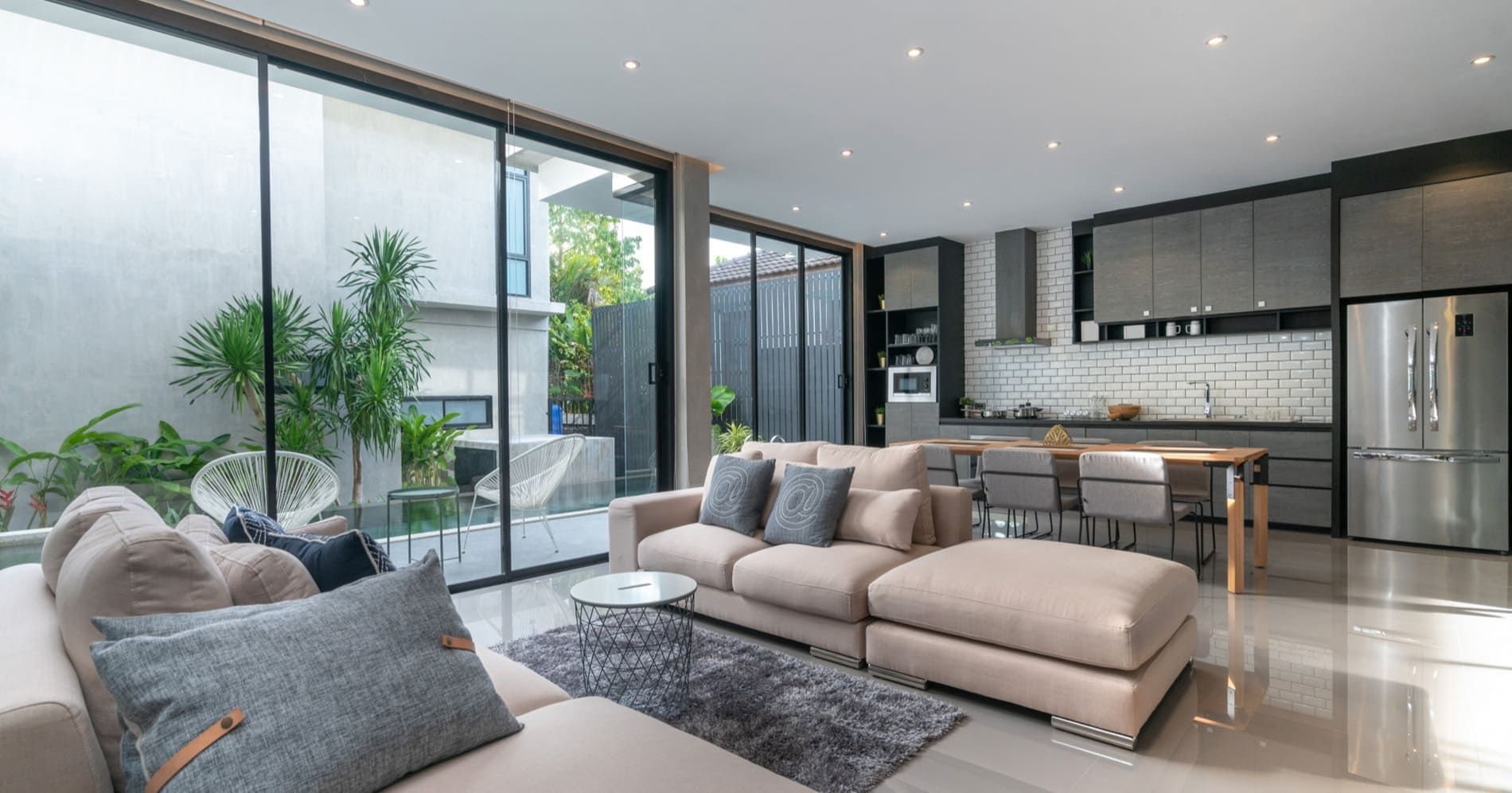
Double-cell cellular shades dominate cold climate performance because their structure creates two distinct air pockets between your window and living space. Each honeycomb layer traps air, which acts as a natural insulator against outdoor temperatures. This dual-barrier design outperforms single-cell versions and traditional blinds by substantial margins, particularly during the harsh New England winters we experience.
The energy bill savings translate to real dollars in your pocket. Homeowners report heating cost reductions exceeding 70% on windows equipped with properly fitted cellular shades. Beyond financial benefits, you'll notice improved comfort as cold drafts diminish and temperature consistency increases throughout your home. Many models offer light-filtering options that maintain privacy while allowing natural illumination, eliminating the need to choose between views and efficiency.
Professional custom measurement ensures your shades fit precisely within window frames, leaving no gaps for air infiltration. Even quarter-inch spaces around edges can compromise performance dramatically, turning a premium product into an underperforming investment. Installation by experienced technicians guarantees proper mounting and operation, maximizing your return on investment.
Consider these cellular shade advantages:
- Superior insulation from dual air pocket construction
- Proven energy cost reductions exceeding 70% in cold climates
- Light control options from blackout to translucent filtering
- Sound dampening properties that reduce exterior noise
- Cordless and motorized options for enhanced safety and convenience
Pro Tip: Combine cellular shades with thermal-backed drapes on windows facing prevailing winter winds for an extra insulation layer that tackles the most challenging exposure points in your home.
Combining window treatments and behaviors for all-season comfort
Layering cellular shades with insulated drapes creates a thermal barrier system that adapts to seasonal needs. During winter, combining treatments and strategic behaviors optimizes both comfort and cost reduction. The cellular shade provides primary insulation while drapes add a second defense layer, particularly valuable during overnight hours when temperatures plummet. Verify NFRC labels on both products to confirm their combined efficiency ratings meet your performance goals.
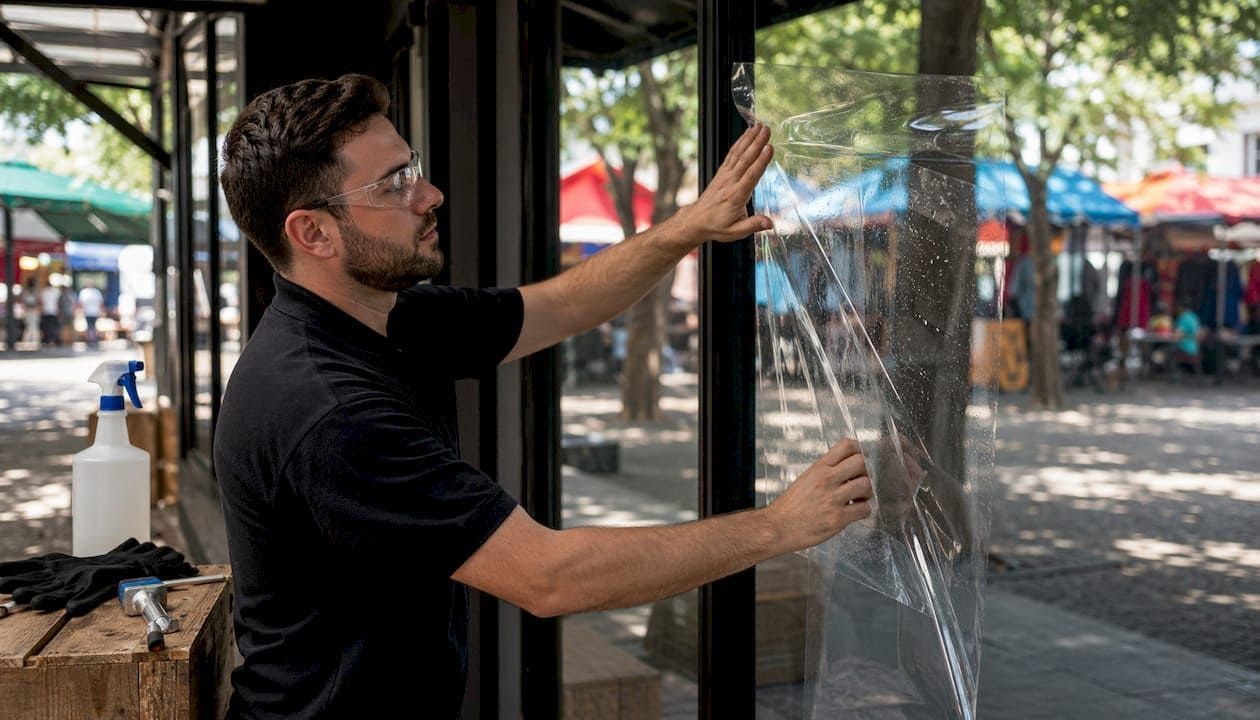
Summer demands different tactics. Open shades during cooler morning and evening hours to allow natural ventilation, then close them during peak heat to block solar gain. Window films complement this strategy by reducing glare and blocking UV radiation year-round while maintaining your view. Films work particularly well on south and west-facing windows where summer sun exposure creates the greatest cooling challenges.
Your daily routine amplifies treatment performance. Opening shades on sunny winter days captures passive solar heating that warms your home naturally, reducing furnace runtime. This simple habit, combined with quality window treatments, compounds your energy savings throughout the heating season. Learn more about window film energy cost reductions specific to Boston winters.
| Treatment Type | Insulation Value | Light Control | Cost Range | Best Application |
|---|---|---|---|---|
| Double-cell cellular shades | Excellent (highest R-value) | Good to excellent | $150-400 per window | Primary insulation for all windows |
| Insulated drapes | Very good | Excellent | $100-300 per window | Layering over shades on high-exposure windows |
| Window films | Moderate | Good (reduces glare) | $8-15 per square foot installed | Summer heat/UV control, pairs with shades |
Pro Tip: Compare window shades versus window films for head-to-head efficiency data that helps you allocate your budget toward treatments delivering the greatest impact for your specific window exposures and climate challenges.
Maximizing savings with incentives and rebates
Federal tax credits make energy-efficient window treatments significantly more affordable. You can claim 30% of qualifying costs through the Energy Efficient Home Improvement Credit, which applies to cellular shades, insulated drapes, and certain window films when they meet efficiency standards. Local utility companies in New Hampshire and Massachusetts often provide additional rebates that stack with federal incentives, further reducing your net investment.
Typical payback periods range from three to five years when you factor in energy savings and available incentives. Windows represent a major source of heat loss in homes, so addressing them delivers returns faster than many other efficiency upgrades. Calculate your specific payback timeline by comparing current heating costs against projected savings from new treatments, then subtract the incentive amounts you'll receive.
Start by contacting your utility provider early in your planning process to understand current rebate programs and application deadlines. Many programs have annual funding limits that get exhausted before year end, so early action ensures you capture available dollars.
Follow these steps to maximize your financial benefits:
- Document your existing window treatments with photos and energy bills for baseline comparison
- Request quotes from qualified installers who understand efficiency requirements and can verify product eligibility
- Confirm products meet ENERGY STAR or equivalent standards required for tax credit qualification
- Save all receipts, manufacturer certifications, and installation invoices for tax filing documentation
- Submit utility rebate applications within specified timeframes, typically 60-90 days after installation
- Combine window treatment upgrades with other home efficiency projects like HVAC tune-ups to amplify overall savings and potentially qualify for additional incentive tiers
Understand window film building code compliance requirements in New Hampshire and Massachusetts to ensure your installations meet local regulations while maximizing energy savings potential.
Explore professional window tinting services for your home
Ready to reduce your energy bills while improving year-round comfort? Professional window tinting delivers measurable results when installed by experienced technicians who understand the unique climate challenges in Southern New Hampshire and Greater Boston. Our team specializes in premium solar window films engineered specifically for residential energy savings, combining heat rejection, UV protection, and glare control in products that preserve your views.
Custom installation ensures maximum efficiency by eliminating gaps and air leaks that compromise performance. We measure precisely, recommend optimal film specifications for your window exposures, and install with attention to detail that generic solutions can't match. Request your free window tinting estimate to discover how professional films complement your cellular shades and drapes for comprehensive energy efficiency.
Frequently asked questions
What are the best window treatments for extreme cold winters?
Double-cell cellular shades provide the highest R-value and prove most effective for cold winter climates like Southern New Hampshire and Greater Boston. They must fit perfectly to avoid drafts that undermine their insulating capability. Layering them with insulated thermal drapes on windows facing prevailing winds creates additional protection during the coldest nights.
Can I get financial help for upgrading my window treatments?
The federal tax credit covers 30% of qualified window treatment costs when products meet efficiency standards. Local utility rebates may provide additional savings in Southern New Hampshire and Massachusetts, with some programs offering hundreds of dollars per home. Claiming these incentives typically shortens payback periods to just three to five years based on energy savings.
How do window films complement shades and drapes?
Window films reduce summer glare and UV damage while preserving your views throughout the year. For comprehensive year-round efficiency, pair films with insulating shades or drapes rather than relying on films alone. Avoid generic window films that don't fit precisely, as gaps around edges allow energy loss that negates potential benefits.
Why is custom measurement important for window treatments?
Gaps around window treatments cause significant heat loss and create uncomfortable drafts that waste energy dollars. Custom measurement ensures treatments fit tightly within frames, maximizing their insulation value and delivering the performance you paid for. Professional installation further prevents gaps and air leaks by securing treatments properly to window frames and walls.
Recommended
- 5 Ways Window Film Reduces Energy Costs in Boston Winters
- Home Window Tinting Energy Savings Calculator
- How Solar Window Tint Helps Cut Indoor Heat and AC Use
- Help Employees Stay Focused with Better Winter Light
- Design Smart Home Lighting: Cut Energy Use 30% in 2026
- Seasonal HVAC Maintenance Steps for Home Energy Savings - Air Control