
What is shatter resistant window film? A 2026 safety guide
Shatter resistant
window film is often misunderstood as a bulletproof barrier, but its true purpose is far more practical and valuable for property owners. This specialized polyester film holds glass fragments together during impacts, preventing dangerous flying shards that cause injuries during storms, accidents, or break-in attempts. Beyond safety, modern shatter resistant films block up to 99% of harmful UV rays and improve energy efficiency, making them essential for homeowners and commercial property managers in Southern New Hampshire and Greater Boston seeking comprehensive property protection. This guide explains how the film works, what technical features matter, and how professional installation maximizes performance.
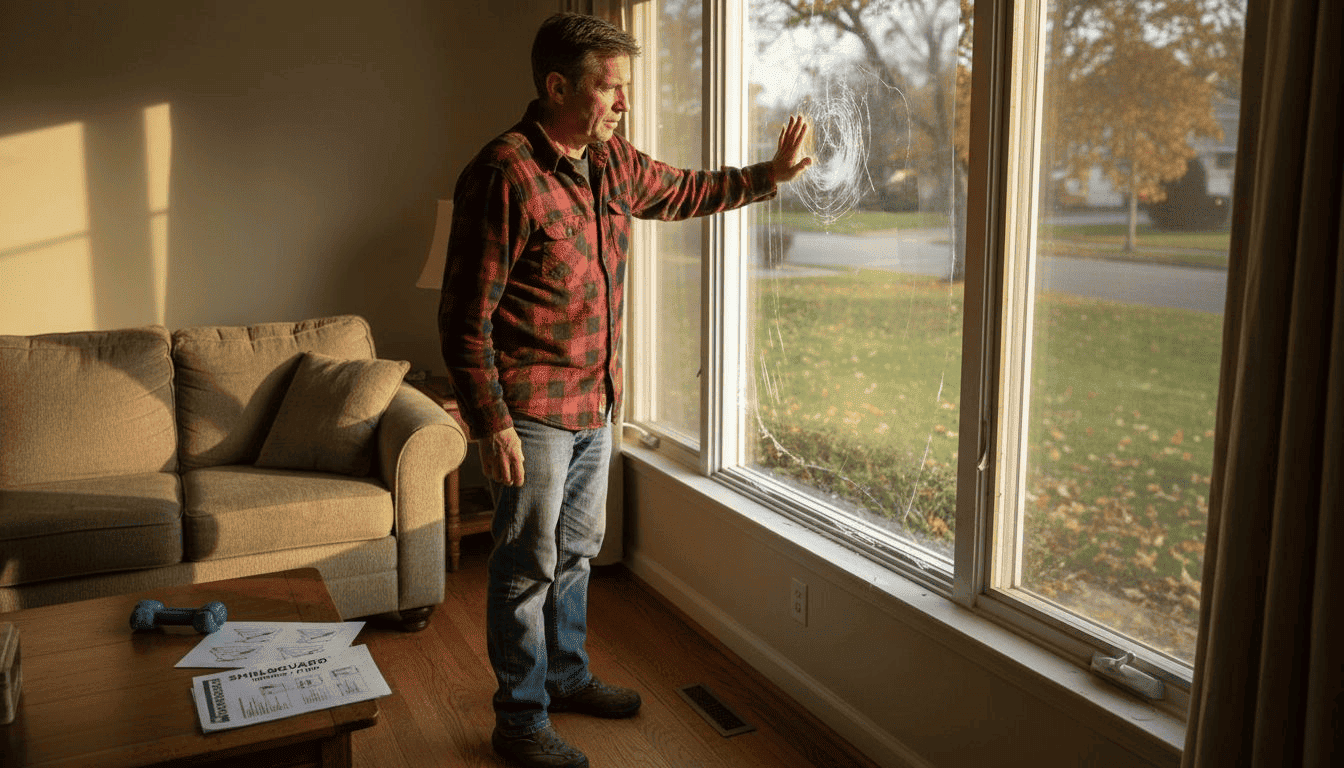
Table of Contents
- What Is Shatter Resistant Window Film And How Does It Work?
- Key Technical Features And UV Protection Benefits Of Shatter Resistant Window Film
- Installation Process And Critical Considerations For Optimal Performance
- Practical Benefits And Use Cases For Homeowners And Commercial Property Managers
- Explore Professional Shatter Resistant Window Film Solutions In Southern New Hampshire And Greater Boston
- Frequently Asked Questions
Key takeaways
| Point | Details |
|---|---|
| Safety function | Holds glass shards together upon impact to prevent injuries from flying fragments during storms or accidents |
| UV protection | Blocks up to 99% of ultraviolet radiation, protecting interiors from fading and occupants from sun damage |
| Material composition | Made from optically clear polyester with protective coatings, adhesive layers, and tensile strengths exceeding 31,000 psi |
| Installation requirements | Requires professional application with 3M IPA sealant for structural attachment and warranty compliance |
| Dual benefits | Enhances safety while improving energy efficiency by reducing heat gain and glare |
What is shatter resistant window film and how does it work?
Shatter resistant
window film consists of multiple layers of optically clear polyester bonded together with specialized adhesives and protective coatings.
The film consists of a clear polyester film with abrasion resistant coating and UV stabilized adhesive , creating a flexible yet incredibly strong barrier that adheres to glass surfaces. The physical properties of this material include impressive tensile strength, high elongation capacity, and break strength that work together to hold fractured glass in place.
When glass breaks, whether from severe weather, accidents, or attempted intrusions, untreated windows shatter into dangerous projectiles that cause most window-related injuries. 3M Safety & Security Window Films hold broken glass together, reducing risk of injury by creating a containment system that keeps shards attached to the film rather than flying across rooms. The film's elasticity allows it to stretch and absorb impact energy, distributing force across the entire window surface rather than concentrating stress at a single point.
It's crucial to understand what shatter resistant film does not do. The material is not bulletproof and will not stop determined intruders indefinitely. Instead, it delays entry by making glass removal more difficult and time-consuming, often causing would-be intruders to abandon attempts when they realize breaking the glass doesn't provide quick access. For homeowners and property managers, this delay factor combined with injury prevention makes the film a practical enhance home security with window film solution.
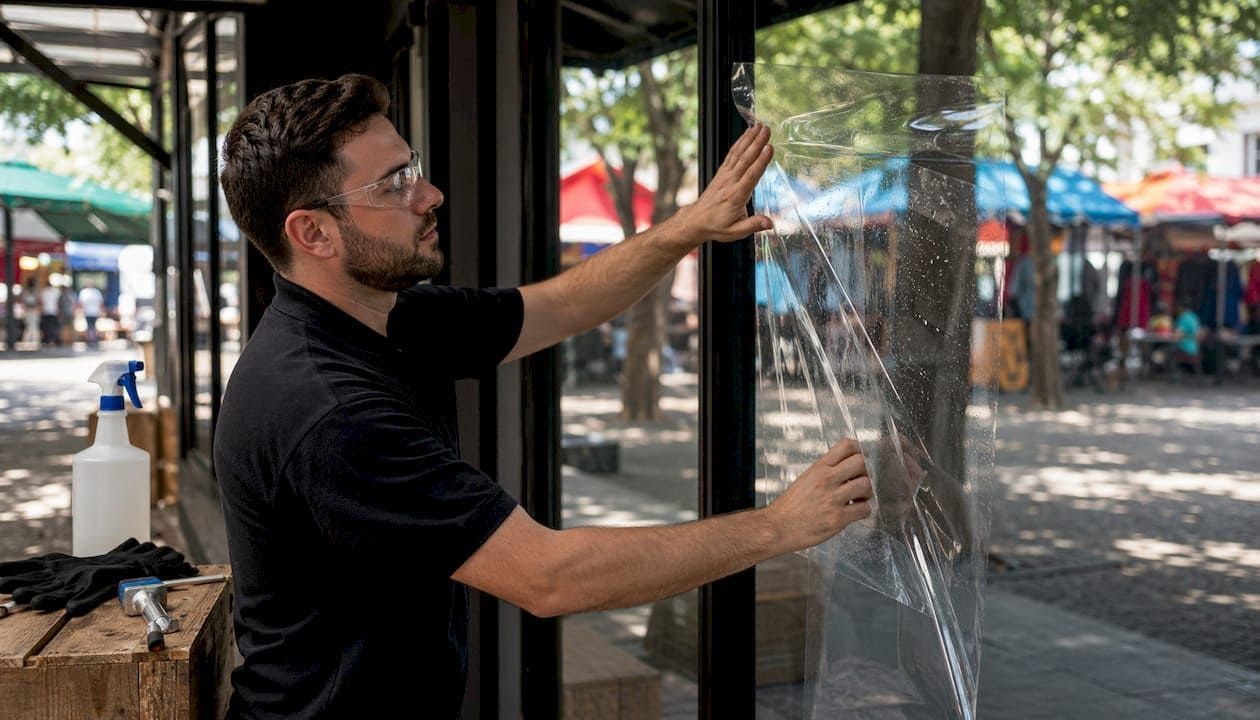
Proper installation determines whether the film performs as designed. The adhesive must bond completely to clean glass without bubbles or gaps, and edges require special attention to prevent peeling. Professional installers follow 3M window film installation guidelines that specify surface preparation, application techniques, and curing times necessary for optimal performance.
Key performance factors include:
- Complete adhesive bonding across the entire glass surface
- Edge-to-edge coverage with proper sealant application
- Appropriate film thickness selection based on security needs
- Curing time before exposing film to stress or cleaning
Pro Tip: Always verify that your installer uses manufacturer-approved products and follows official installation protocols, as shortcuts during application compromise the film's ability to hold glass together during impacts.
Key technical features and UV protection benefits of shatter resistant window film
The effectiveness of shatter resistant window film depends on specific technical specifications that vary by product line and intended application. Film thickness typically ranges from 7 mil to 8 mil for standard safety applications, with thicker options available for enhanced security needs. 3M Scotchshield Ultra S800 film has 8 mil thickness and blocks 99% UV rays, representing the upper end of common residential and commercial installations.
Tensile strength measures the film's resistance to tearing under stress, with professional-grade products achieving values up to 31,500 psi. This exceptional strength allows thin films to withstand tremendous force without separating. Elongation capacity, often exceeding 125%, enables the film to stretch significantly before breaking, absorbing impact energy that would otherwise shatter glass completely. Break strength indicates the maximum force the film can handle before failure, typically measured in pounds per inch of width.
UV protection represents a secondary benefit that delivers substantial long-term value. 3M Safety & Security Window Film Safety S70 blocks UV light to less than 1%, virtually eliminating the ultraviolet radiation that causes fabrics, artwork, flooring, and furnishings to fade. This protection extends the lifespan of interior investments while reducing skin cancer risk for occupants exposed to sunlight through windows.
| Film Product | Thickness | Tensile Strength | Elongation | UV Rejection |
|---|---|---|---|---|
| 3M Safety S70 | 7 mil | 31,500 psi | 125% | 99%+ |
| 3M Scotchshield Ultra S800 | 8 mil | 30,000 psi | 130% | 99%+ |
| 3M Scotchshield S2400 | 9 mil | 28,000 psi | 135% | 99%+ |
The UV blocking capability works independently of the film's safety function, providing continuous protection even when glass remains intact. Property owners in Southern New Hampshire and Greater Boston particularly benefit from this dual functionality, as the region experiences both harsh winter conditions that test structural integrity and intense summer sun that damages interiors. Films designed for solar window films for homes applications often incorporate additional heat rejection properties alongside safety features.
Technical specifications that matter most:
- Film thickness determines baseline strength and impact resistance
- Tensile strength indicates resistance to tearing during stress events
- Elongation capacity shows how much the film can stretch before failure
- UV rejection percentage directly correlates with interior protection effectiveness
Pro Tip: When comparing products, prioritize the combination of thickness and elongation over any single specification, as these two factors work together to determine real-world performance during impacts.
Installation process and critical considerations for optimal performance
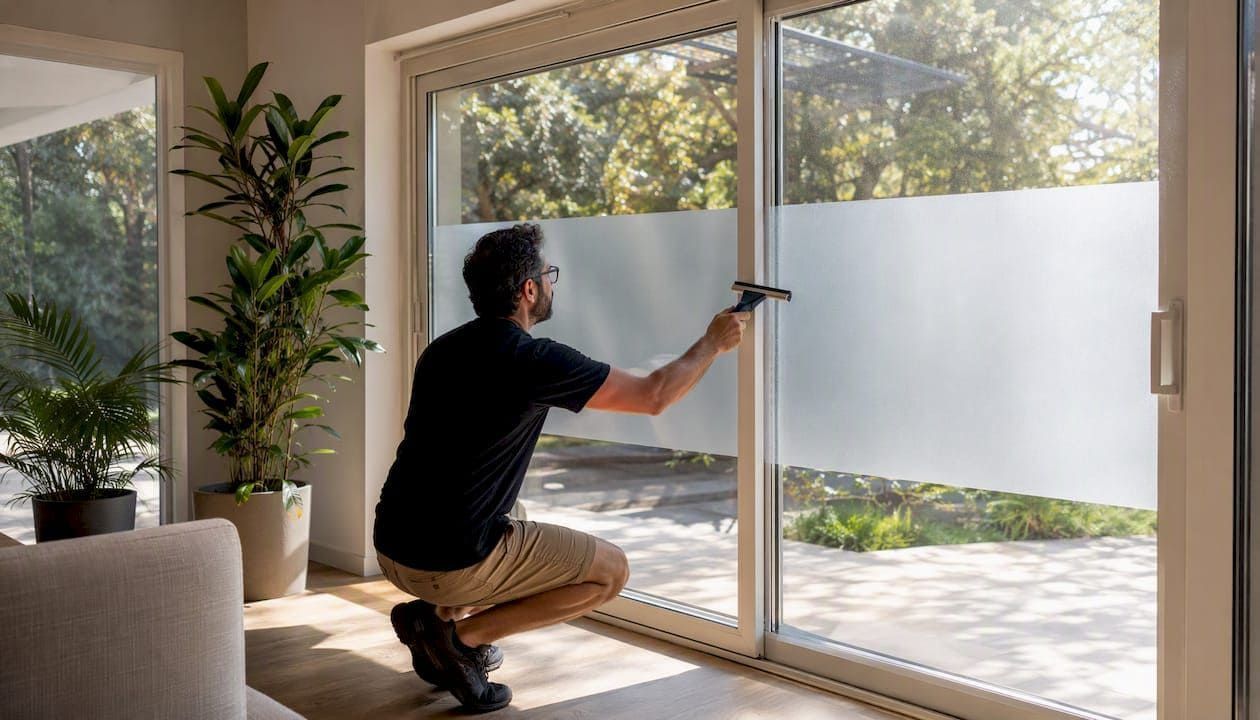
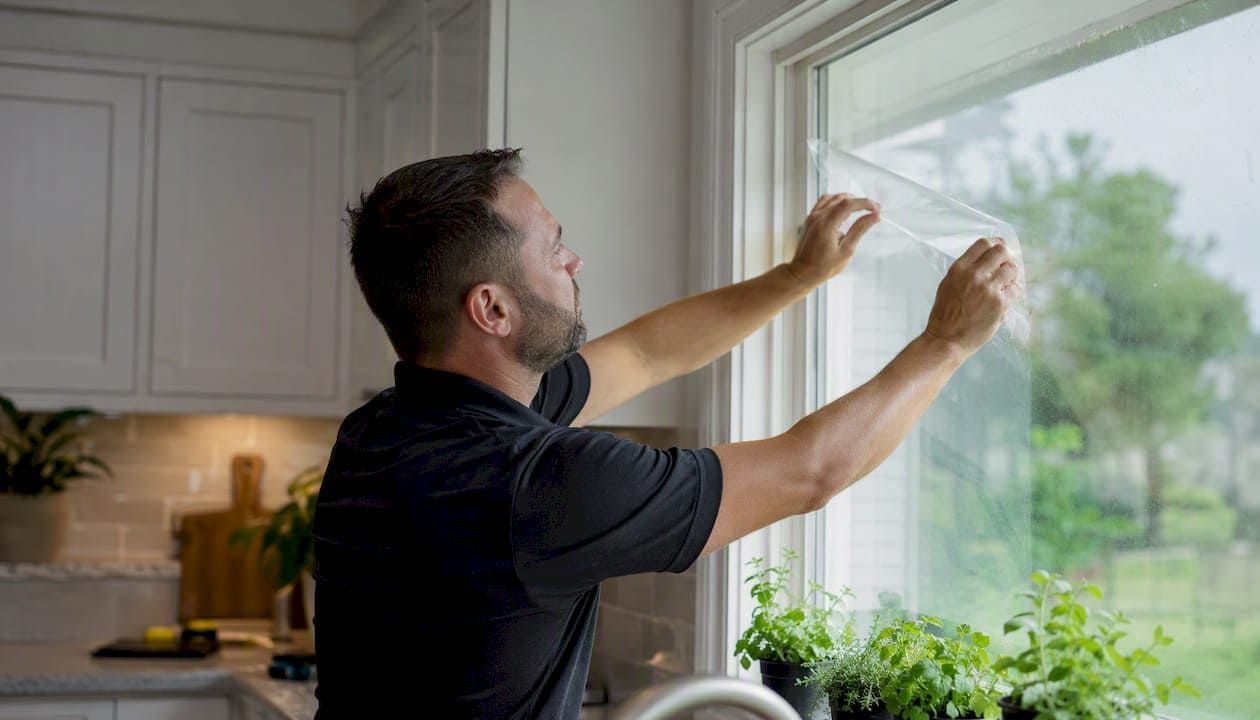
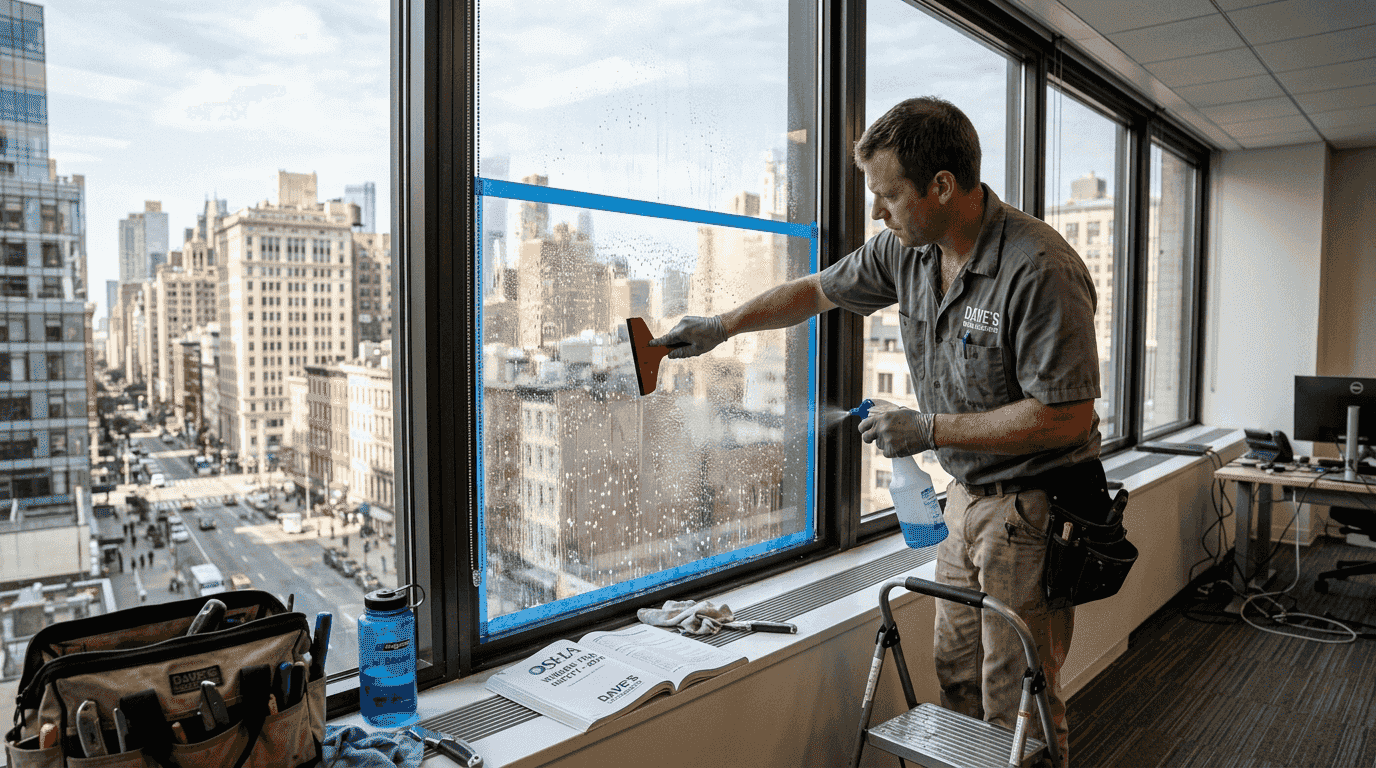
Proper installation transforms shatter resistant window film from a simple adhesive product into a structural safety system. The process begins with thorough surface preparation, removing all dirt, debris, oils, and residues that could prevent complete adhesive bonding. Installers use specialized cleaning solutions and tools to ensure glass surfaces are perfectly clean and free from contaminants that create weak spots in the bond.
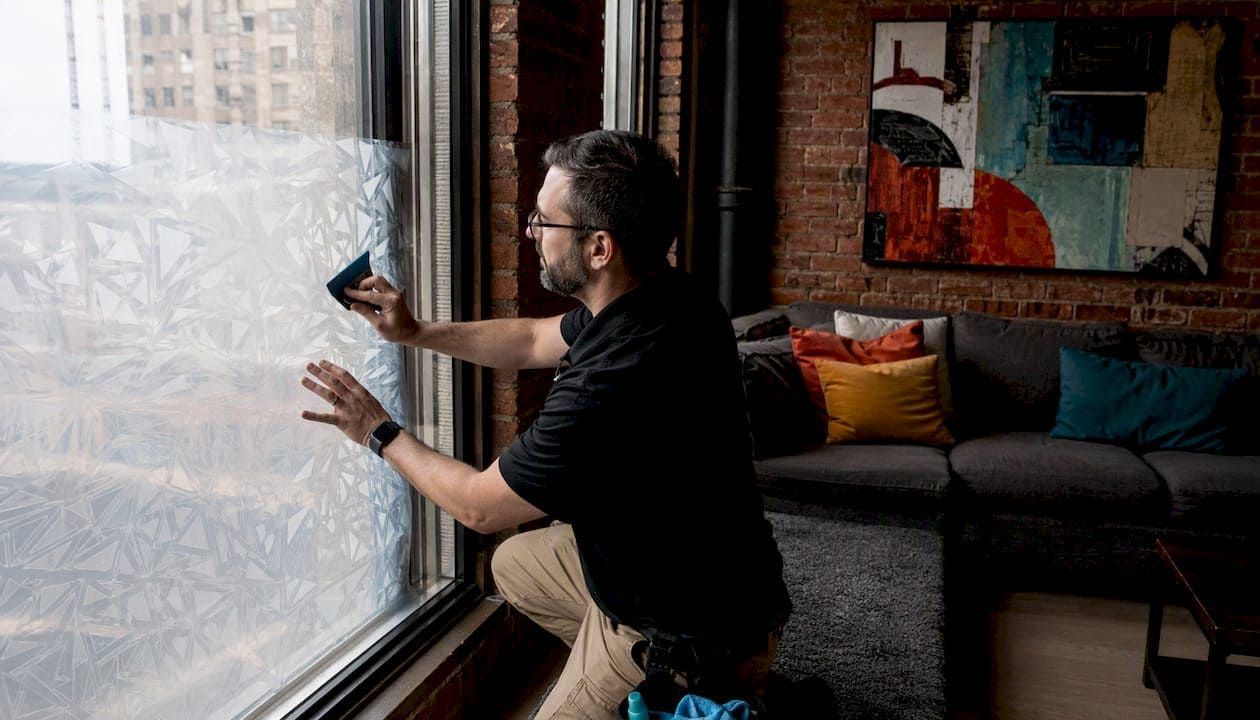
Film application requires precise technique to eliminate air bubbles and ensure complete contact between adhesive and glass. Professional installers use slip solutions that allow repositioning during initial placement, then squeegee out excess moisture and air pockets systematically. 3M IPA Sealant must be used for break and entry applications to ensure performance, creating a mechanical attachment between film edges and window frames that prevents glass from being pushed out of frames during impacts.
Critical installation steps include:
- Clean glass surfaces using approved solutions and lint-free materials
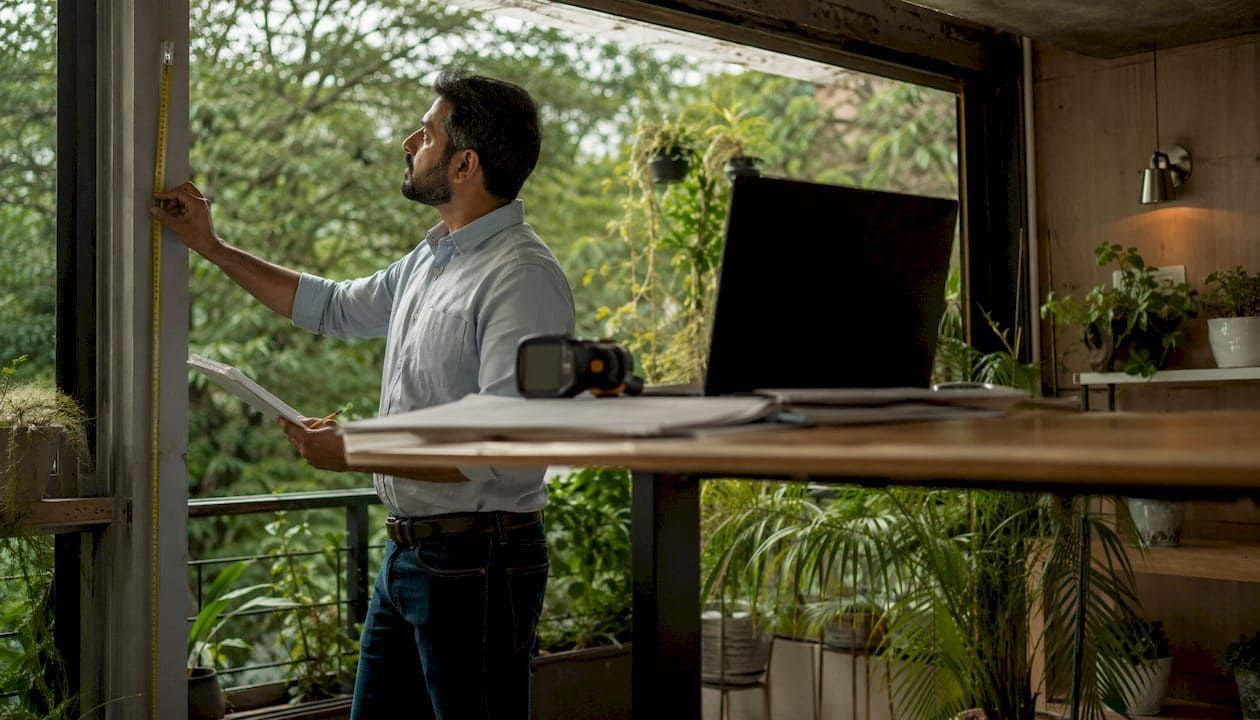
- Measure and cut film to exact window dimensions with appropriate edge clearances
- Apply slip solution to glass and film adhesive side for positioning flexibility
- Position film carefully and squeegee from center outward to remove air and moisture
- Apply 3M IPA sealant around all film edges for structural attachment
- Allow proper curing time before cleaning or exposing to stress
Common installation mistakes significantly reduce film effectiveness. Insufficient edge clearance allows moisture infiltration that causes peeling. Skipping the IPA sealant step eliminates the structural attachment that holds glass in frames during impacts. Rushing the curing process before adhesive fully bonds creates weak spots that fail under stress. Adherence to 3M installation guidelines is crucial for warranty compliance and film effectiveness, making professional installation essential for safety-critical applications.
Standards compliance ensures films meet recognized safety benchmarks. ANSI Z97.1 specifies performance requirements for safety glazing materials used in architectural applications. EN 12600 provides European standards for impact resistance classification. Films meeting these standards have undergone rigorous testing to verify they perform as claimed under real-world conditions.
Installation considerations that impact performance:
- Window frame condition affects how well IPA sealant creates structural attachment
- Glass type and age influence adhesive bonding strength
- Climate conditions during installation affect curing time and initial bond quality
- Building orientation determines UV exposure and thermal stress on films
Pro Tip: Request documentation proving your installer is factory-trained and certified by the film manufacturer, as this certification ensures they understand product-specific installation requirements and have access to technical support when unusual situations arise. Verify installation includes home safety window film installation best practices for your specific property type.
Practical benefits and use cases for homeowners and commercial property managers
Shatter resistant window film delivers multiple practical advantages that extend beyond basic safety functions. Enhanced occupant protection represents the primary benefit, as shatter resistant films help prevent flying glass shards and protect occupants during severe weather events common in New England. Hurricanes, nor'easters, and severe thunderstorms generate wind-borne debris that breaks windows, and the film's ability to contain glass fragments prevents the lacerations and injuries that account for most storm-related medical emergencies.
UV protection provides continuous value by preserving interior investments. Fabrics, carpets, hardwood floors, artwork, and furnishings fade when exposed to ultraviolet radiation streaming through untreated windows. The 99%+ UV rejection offered by quality films virtually eliminates this damage, extending the lifespan of expensive interior elements by years or even decades. For commercial properties, this protection reduces replacement costs and maintains professional appearances that influence customer perceptions.
Energy efficiency improvements occur because many shatter resistant films incorporate solar control properties that reduce heat gain during summer months. Lower cooling loads translate directly to reduced energy bills, with some property owners reporting 10-15% decreases in air conditioning costs. The same films provide modest insulation
benefits during winter by reducing heat loss through windows, though this effect is less pronounced than summer cooling benefits.
Storefront aesthetics improve when films replace outdated or damaged glass without requiring complete window replacement. Modern films maintain optical clarity while adding a subtle professional appearance that enhances curb appeal. For retail locations, the security
benefits of
protect homes with safety window film principles apply equally to
commercial safety and security window films installations, deterring smash-and-grab thefts that plague urban retail environments.
| Application Type | Primary Benefits | Secondary Benefits | Typical ROI Period |
|---|---|---|---|
| Residential | Storm protection, UV blocking, privacy | Energy savings, security delay | 5-7 years |
| Commercial Retail | Break-in deterrence, merchandise protection | Brand image, reduced insurance costs | 3-5 years |
| Office Buildings | Occupant safety, HVAC cost reduction | Productivity, glare reduction | 4-6 years |
| Property Management | Tenant safety, maintenance reduction | Property value, competitive advantage | 5-8 years |
Specific use cases demonstrate practical value:
- Coastal properties facing hurricane and storm surge risks
- Ground-floor retail locations vulnerable to break-ins
- Office buildings with extensive glass facades and high cooling costs
- Historic properties requiring protection without altering appearance
- Residential properties with valuable art collections or antique furnishings
The combination of safety, UV protection, and energy efficiency makes shatter resistant window film particularly valuable in Southern New Hampshire and Greater Boston, where properties face diverse threats from severe weather, high energy costs, and urban security concerns. Property managers appreciate how a single installation addresses multiple challenges simultaneously, simplifying maintenance while improving occupant satisfaction.
Explore professional shatter resistant window film solutions in Southern New Hampshire and Greater Boston
Surface Dynamics Window Tinting brings specialized expertise in safety and security window film installations to residential and commercial properties throughout
Southern New Hampshire and Greater Boston. As an exclusive LLumar SelectPro Dealer utilizing Vista Films including Safety & Security Films, Solar Control Films, and Decorative Privacy Films, we deliver premium solutions that address your specific safety, energy efficiency, and aesthetic needs. Our installations follow manufacturer specifications precisely, ensuring optimal performance and full warranty coverage.
Whether you need comprehensive home safety window film installation to protect your family during New England storms or commercial safety and security window films to safeguard your business assets, our certified installers provide solutions backed by proven results. Request your free window tinting estimate today to discover how professional window film installation can enhance your property's safety, reduce energy costs, and protect your valuable interiors from UV damage.
Frequently asked questions
What is the lifespan of shatter resistant window film?
Quality shatter resistant window films typically last 10-15 years when properly installed and maintained, though actual lifespan varies based on sun exposure, climate conditions, and care practices. Films facing intense direct sunlight may show signs of aging slightly sooner than those on shaded windows. Manufacturer warranties often cover 10 years for residential applications and 7-10 years for commercial installations, reflecting expected performance under normal conditions. Regular cleaning with approved solutions and avoiding abrasive materials helps maximize film longevity.
Can shatter resistant window film prevent break-ins?
Shatter resistant window film delays but does not prevent determined intruders, as the film is not bulletproof and is not designed to stop intruders indefinitely. The film makes glass removal difficult and time-consuming, often causing burglars to abandon attempts when quick entry proves impossible. This delay factor provides valuable time for security systems to alert authorities or for occupants to respond. The primary purpose remains holding glass shards together to prevent injuries rather than creating an impenetrable barrier.
Is professional installation necessary for shatter resistant window film?
Professional installation is essential for shatter resistant window film to perform as designed and maintain warranty coverage. Proper installation with 3M IPA sealant is crucial for effectiveness and warranty, creating the structural attachment between film edges and window frames that holds glass in place during impacts. DIY installation typically lacks the specialized tools, materials, and techniques required for proper adhesive bonding and edge sealing. Certified installers understand product-specific requirements and follow 3M installation guidelines that ensure optimal performance. For safety-critical applications, professional home safety window film installation is not optional.
Does shatter resistant window film work on all glass types?
Shatter resistant window film works effectively on most common glass types including standard annealed glass, tempered glass, and laminated glass, though performance characteristics vary by substrate. Tempered glass already provides some safety benefits but film enhances protection by containing fragments if breakage occurs. Certain specialty glasses like low-e coatings or tinted glass require specific film products to avoid compatibility issues. Professional installers assess glass type, age, and condition before recommending appropriate film products, as factors like existing stress cracks or poor frame condition affect installation success and performance.
How does shatter resistant window film affect window appearance?
Modern shatter resistant window films maintain excellent optical clarity with minimal impact on window appearance when properly installed. Most safety films transmit 85-90% of visible light, creating a subtle tint barely noticeable from inside or outside. Films do not significantly alter views or reduce natural light in most applications. Some products offer completely clear options for situations where any tint is unacceptable. The films add a slight professional sheen that many property owners find appealing, enhancing rather than detracting from building aesthetics while providing substantial safety and UV protection benefits.
Recommended