
Understanding the Commercial Installation Process for Window Tint
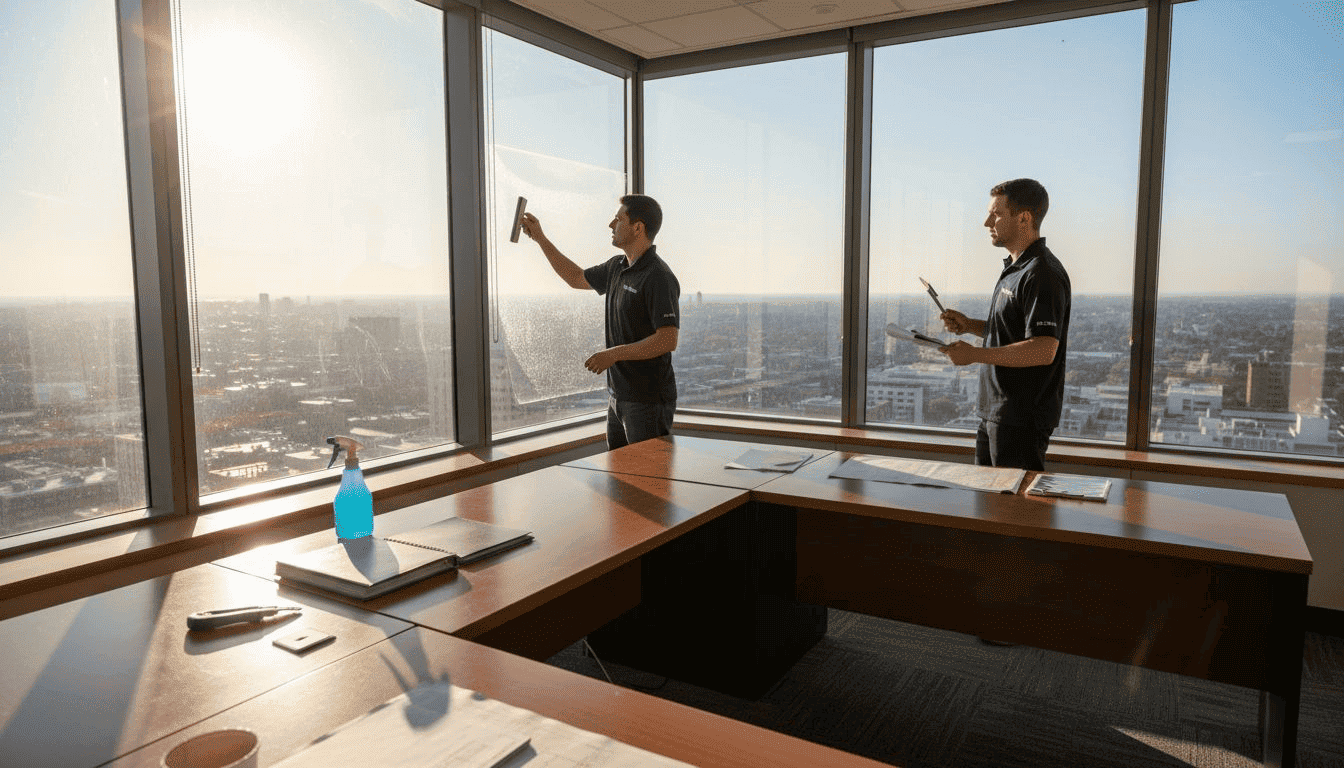
When warm weather starts showing up across places like Boston, it’s not just neighborhoods that start making changes. Spring is a common time for businesses to plan updates too. One project that comes up a lot is commercial window tinting. It’s a smart way to make workplaces cooler, improve privacy, and cut down on glare.
But if you’ve never gone through the process before, the idea of making changes to your windows might feel uncertain. Understanding what happens from start to finish helps make it simpler. Here’s how commercial buildings get tinted, from the first conversation to the final touch, and what you can expect each step of the way.
Understanding Your Space First
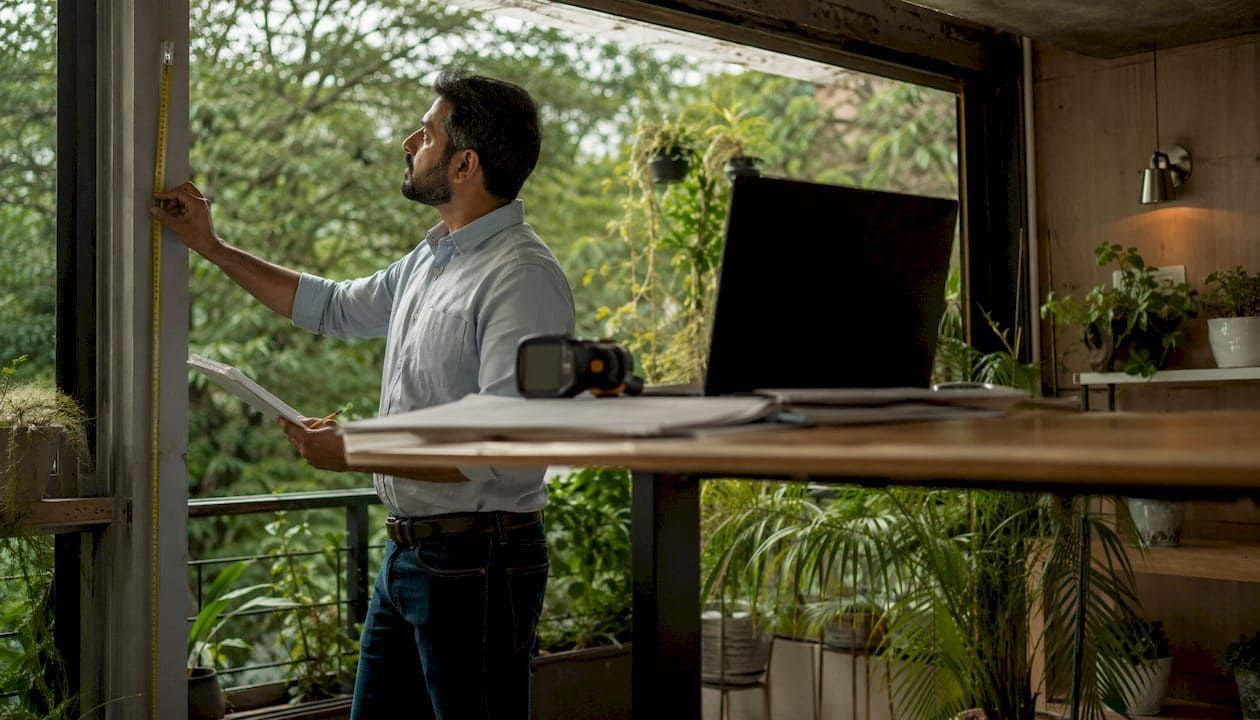
Every commercial space has its own layout, needs, and problem spots. That’s why the first step is taking a good look at the building to see what’s working and what’s not.
During an on-site visit, we’ll walk through the space with you and look closely at:
- What kind of glass the building has
- Where sunlight hits hardest during the day
- Any street-facing windows or open areas that could use more coverage
- What your goals are, more privacy, better comfort for staff, reduced sunlight, or all of the above
The location plays a big part too. Storefronts in busy parts of Boston often have different needs than offices tucked into a quiet corner of Southern New Hampshire. Some buildings need light control rooms for tech or screen-based work. Others are more concerned with protecting displays from sun damage.
The type of business matters as well, an open-plan workspace might want heat reduction without darkening, while a private practice may want more privacy from the sidewalk. Every setting calls for an approach that makes sense for its use and layout.
Choosing the Right Film
Once we understand what you’re working with, the next step is selecting the right film. There isn’t a one-size-fits-all option. Different businesses benefit from different features, and we’ll guide that decision based on the space and your goals.
Here are some of the common types of tint used in commercial buildings:
- Solar control film, which helps block heat and lower AC use
- Privacy film, which limits visibility into the building while keeping daylight
- Glare reduction film, ideal for screens and productivity areas
For commercial properties in Southern New Hampshire and the Greater Boston Area, these films are often chosen to lower energy costs, increase comfort for people inside, and create more usable space by reducing hot and cold spots. They can also update the look of a building while keeping the overall exterior appearance consistent.
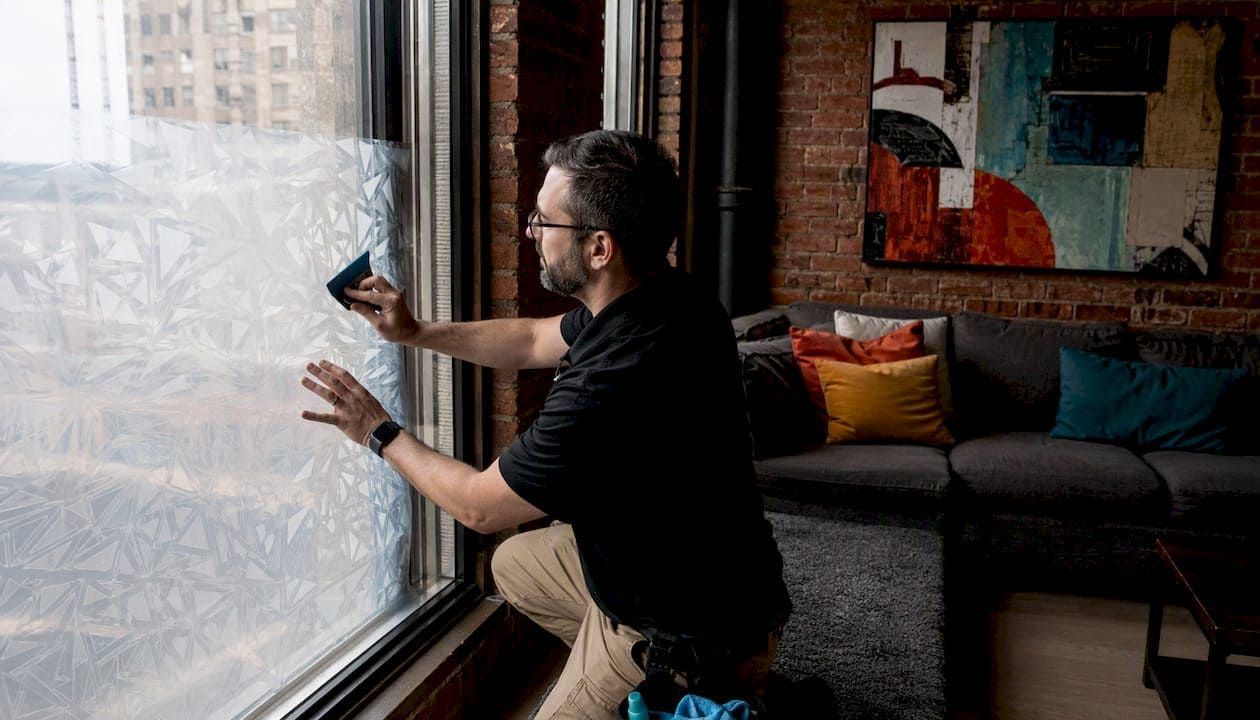
When choosing a film, we also look at how it fits into the space itself. A restaurant with large sunny windows might want a neutral tone that still lets in plenty of light. Meanwhile, a medical office might benefit more from a frost-style film that gives privacy without feeling closed off.
Other factors come into play too, including long-term durability and how different products match up with current building codes. Once the right product is picked, we can move forward with scheduling the actual installation.
What to Expect During Installation
We handle commercial installations in a way that minimizes disruptions. Most business owners want things to keep running smoothly, and we keep that top of mind when picking a time to start.
The installation process works like this:
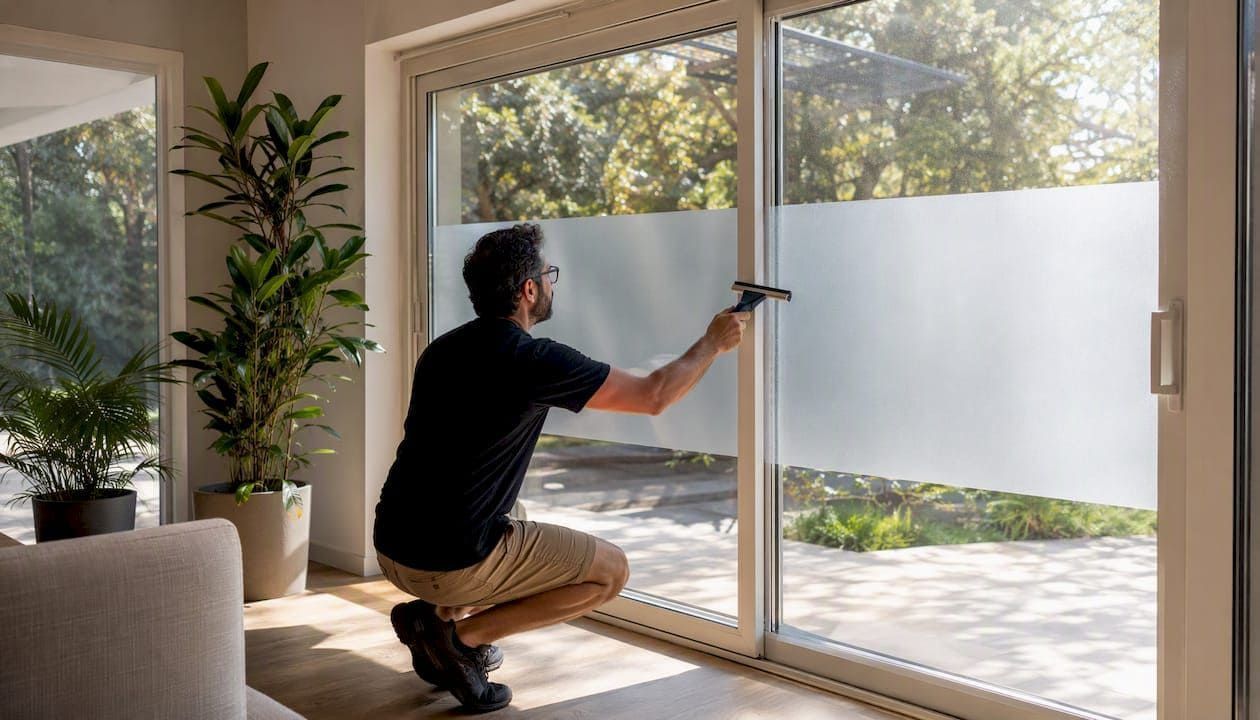
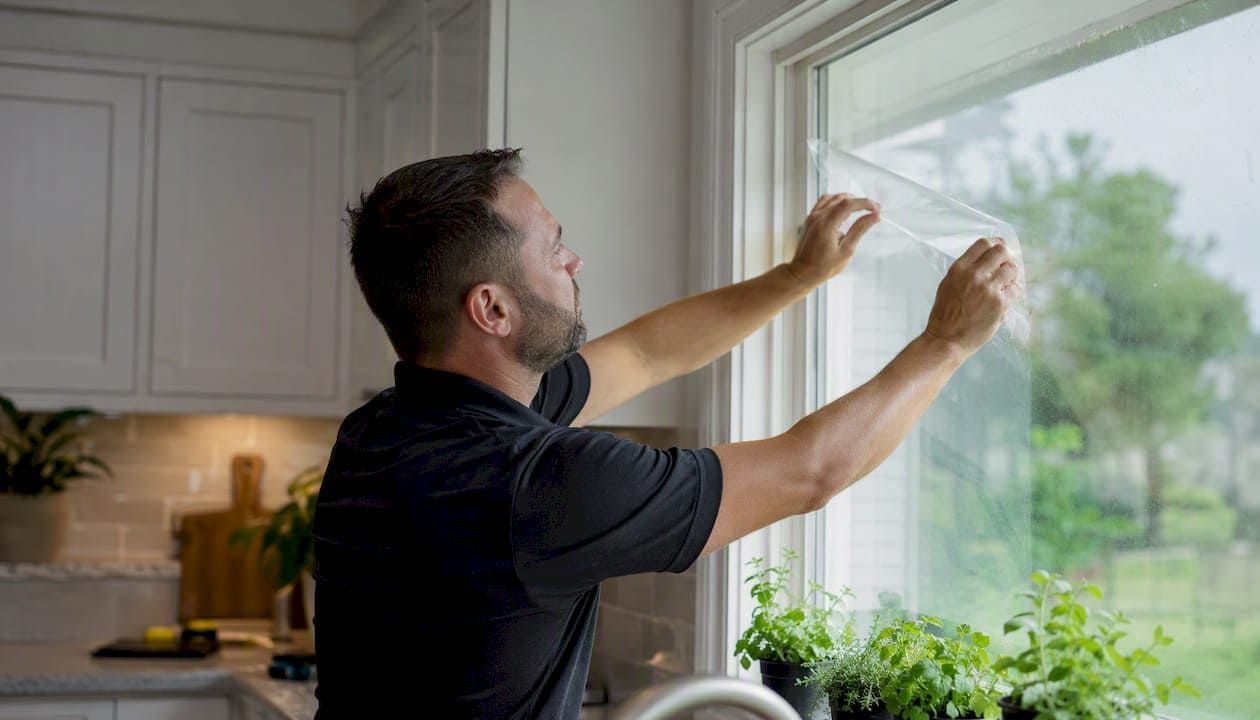
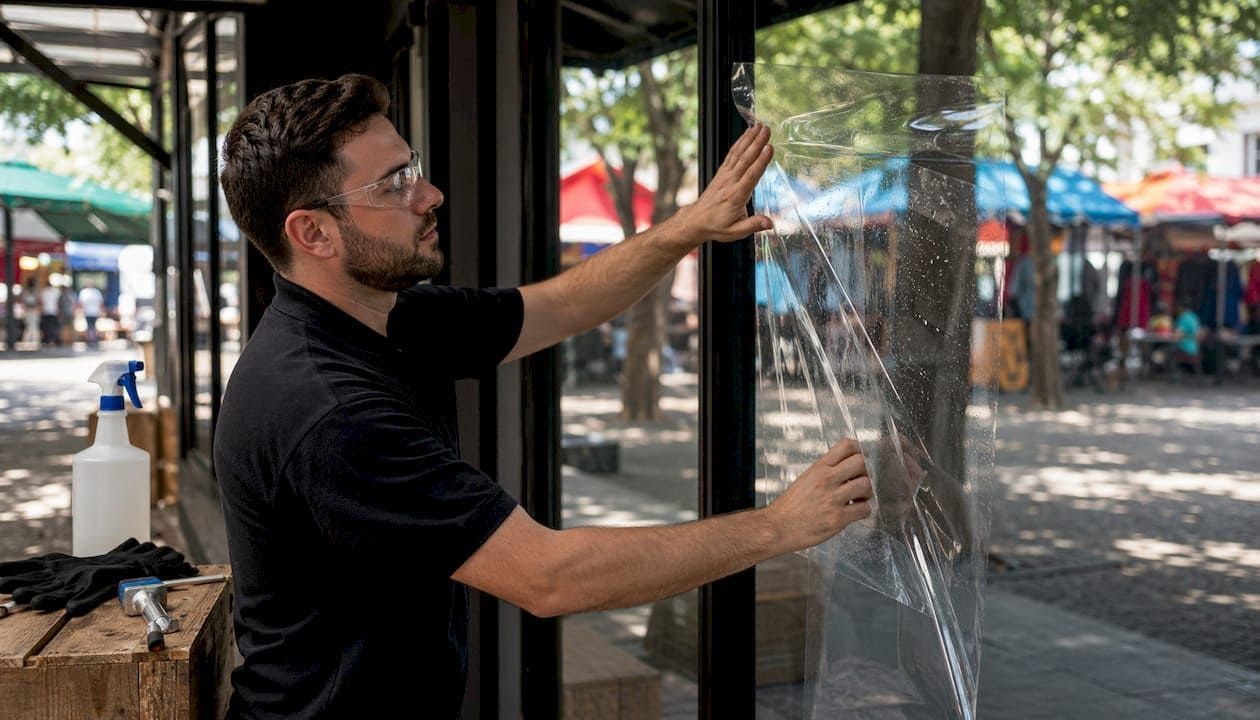
- We clean the window glass completely, removing residue and dust
- Then we measure and cut each section of film to match your windows
- The film is applied using a safe slip solution and bonded with tools built for a smooth finish
Once the film has been applied, it starts to cure. That just means the bond between glass and film is strengthening. During the curing phase, which usually takes a few days to a few weeks depending on the film and temperature, you might notice a hazy look on the glass. That goes away on its own.
High-quality commercial films are made to block up to 99% of harmful UV rays and can support noticeable energy savings by helping stabilize indoor temperatures. Over time, that helps reduce wear on cooling and heating systems and can lead to lower utility costs.
Most jobs are finished faster than people expect and don’t leave behind any mess. We take every step to work quietly and carefully so you can stick to your usual schedule.
After the Install: Final Checks and Care Tips
Once the film is in place, we do a full inspection with you. This final check helps us confirm that everything looks clean and professional. We trim and smooth any edges that might need a bit of extra attention.
After that, we’ll share a few simple tips for making the most of your new film:
- Don’t touch or clean the glass until the tint has fully cured
- When cleaning, use soft cloths and non-ammonia cleaners
- Don’t use sharp tools or rough scrubbing pads on the film
Once cured, you won’t need any special care routines. The film becomes part of the window surface, and day-to-day cleaning is just like washing standard glass. Most people forget it's even there, until they notice how much cooler and more comfortable the space feels.
A Smoother, Cooler Space for the Season Ahead
Planning for commercial window tinting in early spring helps get your building ready before the heat of summer moves in. With longer daylight hours and more foot traffic, now’s a smart time to make spaces brighter, more private, and easier to work in.
By understanding how the process works, it’s easier to move forward with confidence. Whether the goal is cutting glare, lowering heat, or solving visibility issues, the steps all follow the same path. From the first visit to the final polish, each part of the process is designed to fit your business and space.
At
Surface Dynamics Window Tinting, we make commercial upgrades easier by keeping the process simple, clean, and built around your schedule. Whether you're trying to cut glare across open office areas or reduce heat in sun-heavy storefronts, we can help you find the right fit. If you'd like a clearer idea of how your business could benefit from
commercial window tinting, we're here to talk through your options and answer any questions. Give us a call to get started.