
Transparent Window Coatings Definition and Benefits
TL;DR:
- Transparent window coatings are ultra-thin layers applied to glass that regulate heat, UV, and light transmission to improve energy efficiency. Different types, such as low-e, spectrally selective, or films, suit specific climates and building needs, offering significant energy savings and asset protection. Proper installation and maintenance are essential for maximizing their lifespan and performance benefits.
Most people assume window coatings are a cosmetic upgrade. That assumption costs them money every month. The transparent window coatings definition goes far beyond appearance: these are microscopically thin layers applied to glass that actively manage heat, light, and ultraviolet radiation passing through your windows. For homeowners and property managers, understanding what these coatings actually do, and which types exist, is the difference between a smart building investment and an expensive guess.
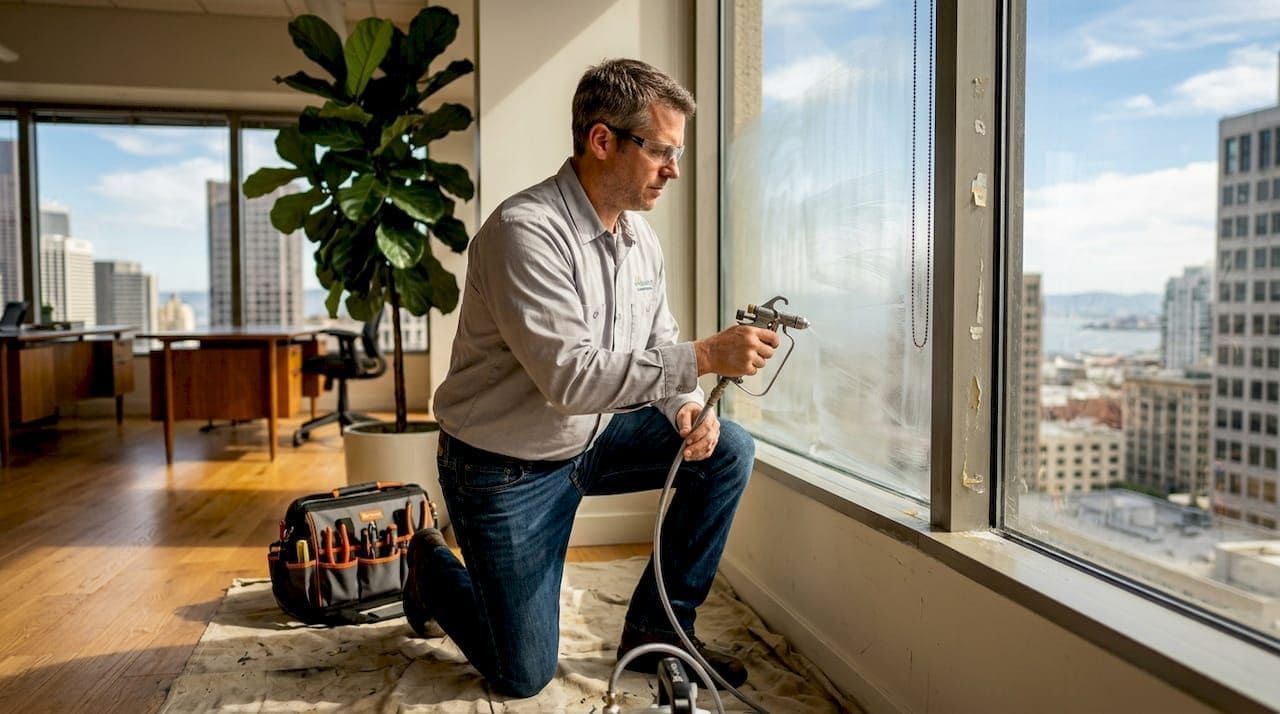
Table of Contents
- Key takeaways
- Transparent window coatings definition: what they actually are
- Types of window coatings and how they compare
- How window coatings work to control heat and light
- Benefits of transparent coatings for homes and commercial buildings
- Choosing and maintaining the best window coatings
- What I have learned working with transparent coatings
- Get a professional coating assessment for your property
- FAQ
Key takeaways
| Point | Details |
|---|---|
| Coatings are not just decorative | Transparent window coatings control heat, UV, and glare without changing how your windows look. |
| Low-e coatings cut energy loss | Low-E coatings reduce energy loss by 30% to 50% by managing infrared and UV light transmission. |
| Two main low-e types exist | Passive coatings retain heat in cold climates; solar-control coatings reflect heat away in warm climates. |
| Films offer flexible retrofitting | Aftermarket transparent films are a cost-effective way to add UV blocking and glare reduction to existing windows. |
| Professional installation matters | Poor installation causes peeling, bubbling, and haze, shortening the life of even the best products. |
Transparent window coatings definition: what they actually are
A transparent window coating is a microscopically thin layer of metallic or metal oxide material applied to the surface of glass. These layers are so thin that low-e glass thickness measures just 500 times thinner than a single human hair. You cannot see them. You cannot feel them. But they change what your glass does with energy dramatically.
The core job of any transparent coating is to selectively manage three things: solar radiation coming in, infrared heat trying to escape, and ultraviolet light that damages furniture and skin. Factory-applied coatings, also called hard-coat or soft-coat low-e, are bonded to the glass during manufacturing. Aftermarket films are applied to the interior surface of existing glass panes and can be added to any window regardless of age.
A few terms are worth knowing:
- Low-emissivity (low-e): Refers to a coating's ability to reflect infrared heat rather than absorb and re-radiate it. A standard uncoated pane has an emissivity of 0.84. A low-e coating emissivity can be as low as 0.02.
- Spectrally selective: Coatings that filter specific wavelengths of light, allowing visible daylight through while blocking infrared heat and UV.
- Solar heat gain coefficient (SHGC): A measure of how much solar heat passes through a window. Lower numbers mean less heat entering the building.
Pro Tip: When comparing window products, ask for the SHGC and emissivity values side by side. Those two numbers tell you more about real-world performance than any marketing claim.
Factory-applied coatings are permanent and offer the highest performance. Aftermarket films give property managers a flexible, lower-cost option for buildings where full window replacement is not in the budget.
Types of window coatings and how they compare
Not all transparent coatings are the same, and choosing the wrong type for your climate or building use is a common, expensive mistake. Here is a breakdown of the main types of window coatings available today.
Passive low-e coatings are designed for cold climates. They allow some solar heat to enter and be retained inside, reducing the burden on your heating system during winter. Think of them as a one-way thermal trap that lets warmth in and keeps it from escaping.
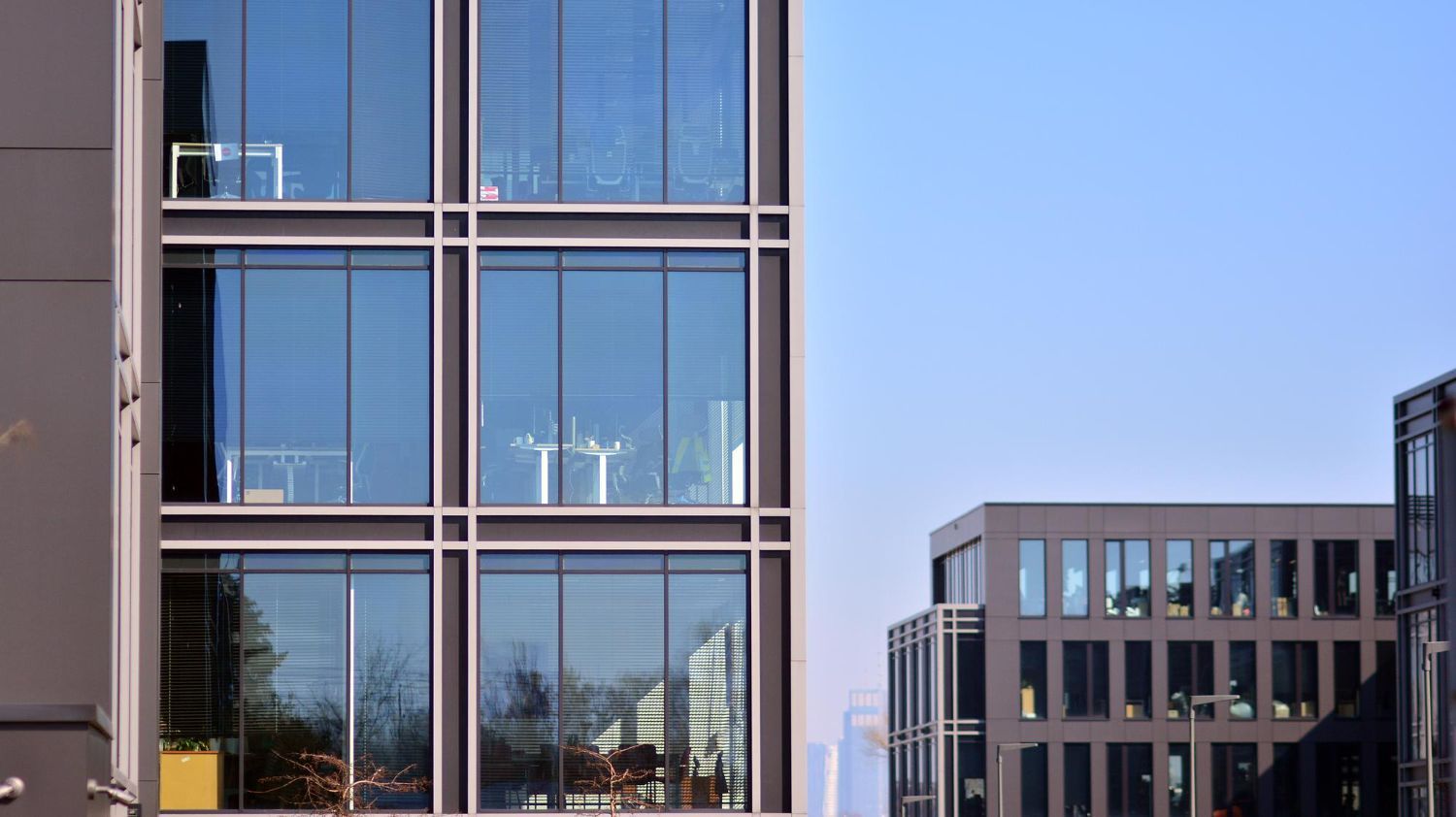
Solar-control low-e coatings work in the opposite direction. Solar-control coatings reflect heat away from the building, making them ideal for warm or mixed climates where cooling costs are the bigger concern. They are the standard choice for most commercial buildings in the Northeast and Mid-Atlantic regions.
Spectrally selective coatings are the most technically refined option. They filter 40% to 70% of non-visible infrared heat while maintaining high daylight transparency. Your interior stays bright without the heat load.
Aftermarket transparent films are applied to existing glass and provide glare reduction, UV blocking, and modest insulating benefits. Films typically last between 1 and 15 years depending on product quality and installation.
Multifunctional advanced films represent the newest category. Modern transparent coatings increasingly include self-healing polymers, anti-icing properties, and antimicrobial surfaces beyond their solar control function.
| Coating type | Key feature | Best climate | Typical application |
|---|---|---|---|
| Passive low-e | Retains interior heat | Cold climates | Residential windows, northern regions |
| Solar-control low-e | Reflects solar heat | Warm and mixed | Commercial buildings, south-facing glass |
| coating type | High light, low heat gain | All climates | Offices, retail spaces with large glazing |
| Aftermarket film | Retrofit application | Any | Existing residential or commercial windows |
| Multifunctional film | Self-healing, antimicrobial | Any | High-traffic, hygiene-sensitive environments |
For most property managers in the Greater Boston and Southern New Hampshire area, solar-control low-e or spectrally selective coatings will deliver the strongest return on investment. The best window coatings for a specific building depend on orientation, glass area, and heating versus cooling costs.
How window coatings work to control heat and light
Glass by itself is a poor insulator. Sunlight carries three types of radiation: visible light, near-infrared radiation (which you feel as heat), and ultraviolet light. Uncoated glass lets most of this through without filtering any of it.
A transparent coating changes this by introducing a layer that reflects or absorbs specific wavelengths before they can act on your building's interior. Low-e coatings specifically target infrared radiation. When heat tries to radiate outward through the glass in winter, the coating bounces it back inside. In summer, it reflects incoming solar infrared before it can heat up your space.
Here is why this matters at scale:
Advanced composite films achieve over 70% visible light transmittance while blocking more than 90% of UV and 70% of near-infrared radiation. The result is indoor temperatures reduced by up to 10 degrees Celsius and annual energy savings between 14.1% and 31.9% in buildings. Those are not small numbers for a property manager watching utility bills every quarter.
Pro Tip: South-facing and west-facing glass receives the most direct solar load. If you are budgeting a partial installation, start with those orientations first for the fastest payback.
UV blocking has a second benefit that many overlook. UV radiation is the primary cause of fading in flooring, artwork, furniture, and retail merchandise. A quality transparent film or coating blocks the wavelengths doing that damage without affecting how your space looks or feels. For commercial spaces with products on display, this protection alone can justify the installation cost.
The performance numbers below represent typical values across coating categories:
| Metric | Uncoated glass | Standard low-e | Spectrally selective film |
|---|---|---|---|
| Emissivity | 0.84 | 0.04 to 0.10 | 0.04 to 0.15 |
| UV blocking | Less than 25% | 70% to 80% | 95% to 99% |
| Visible light transmission | 88% to 90% | 70% to 82% | 60% to 80% |
| Solar heat gain coefficient | 0.86 | 0.25 to 0.40 | 0.20 to 0.35 |

Benefits of transparent coatings for homes and commercial buildings
The benefits of transparent coatings reach further than most property owners realize until they see the first utility bill after installation. Here is where the real-world value shows up:
- Energy cost reduction. Low-e and spectrally selective coatings reduce building energy loss by 30% to 50%, which translates directly into lower heating and cooling bills year-round.
- Occupant comfort. Controlling radiant heat from glass surfaces eliminates hot spots near windows and reduces glare on screens, making commercial workspaces and living rooms significantly more comfortable.
- Furniture and merchandise protection. Blocking UV radiation prevents fading of flooring, upholstery, art, and retail products. This benefit alone can protect thousands of dollars in interior assets.
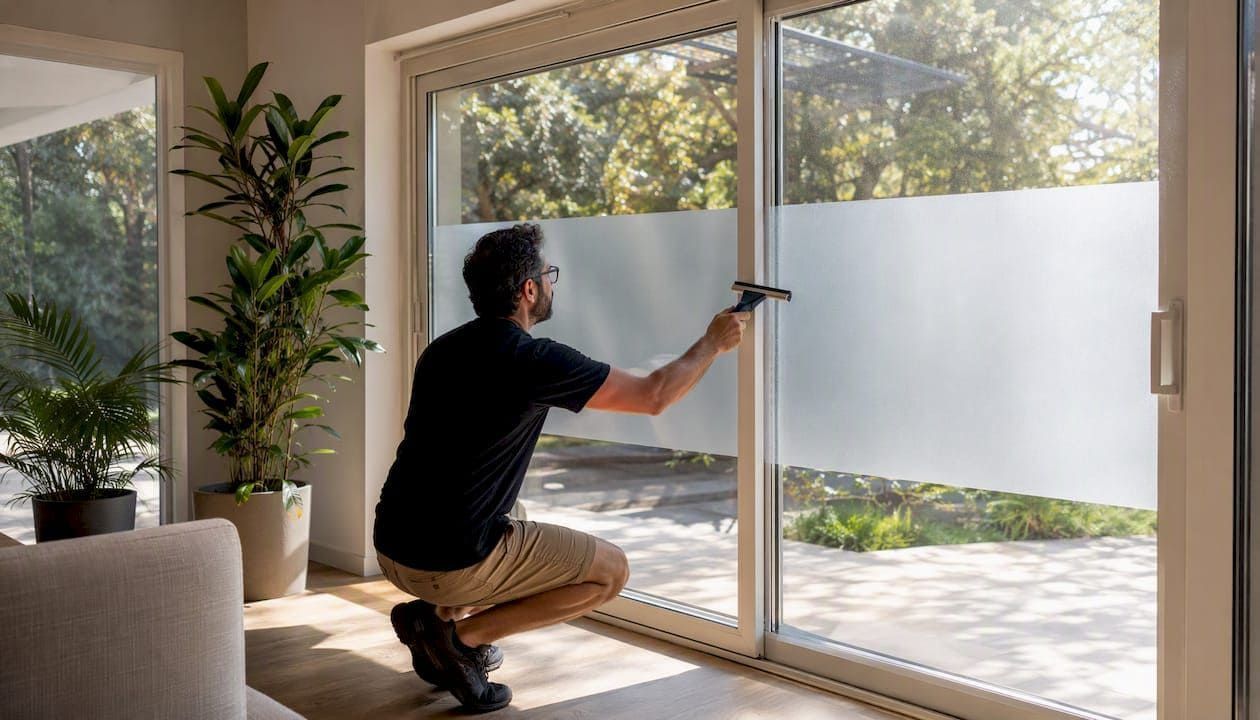
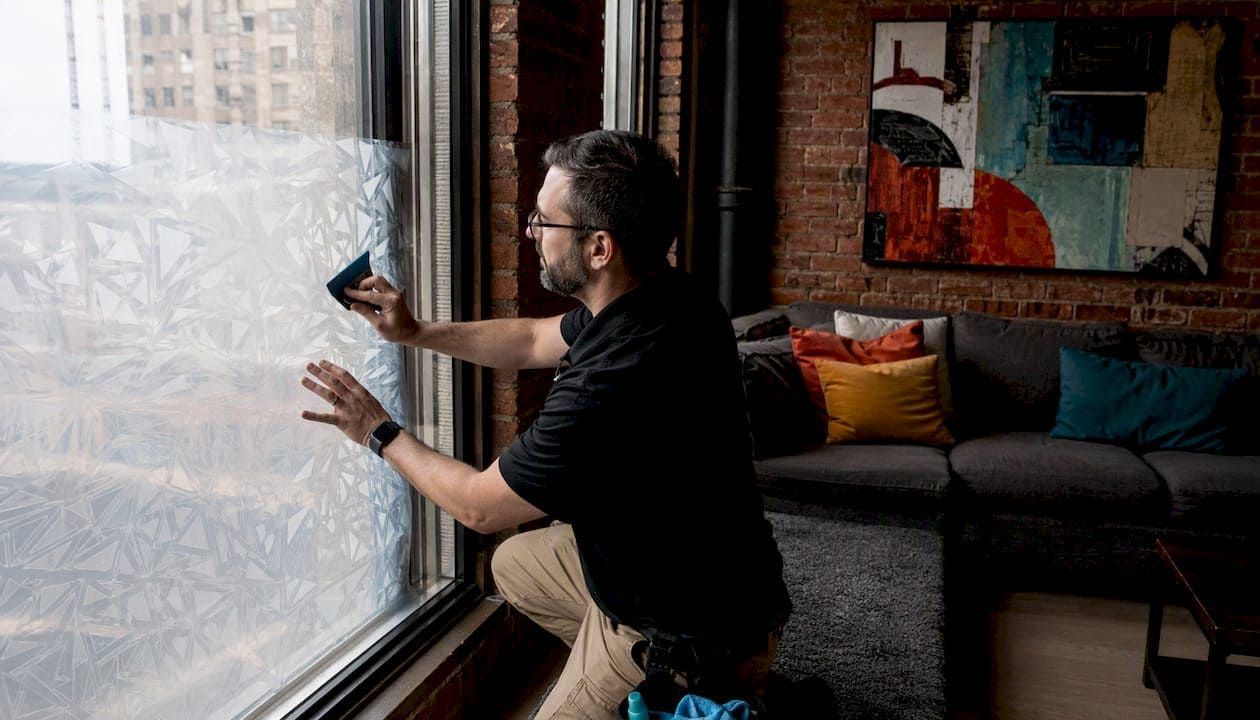
- Privacy without blocking light. Certain clear window film applications allow natural light in while limiting sightlines from the exterior, giving offices and ground-floor residential units a real privacy upgrade.
- Security reinforcement. Safety and security films hold broken glass in place during impacts, reducing injury risk and slowing forced entry. This is a separate but compatible layer of protection.
When deciding between an aftermarket film retrofit and full window replacement with factory-applied coatings, the math usually favors films unless the windows themselves are old or failing. Retrofitting with a quality film can deliver 70% to 80% of the energy performance of new low-e glass at a fraction of the cost. For commercial buildings with dozens or hundreds of windows, that difference is significant.
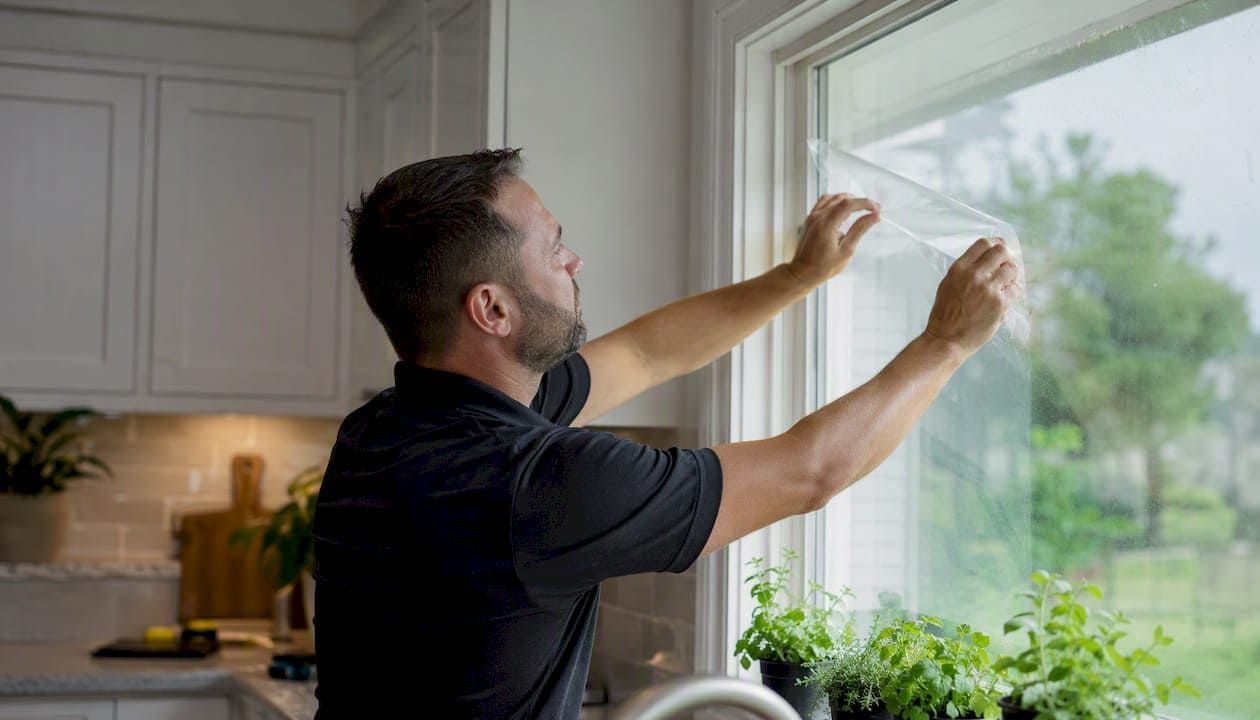
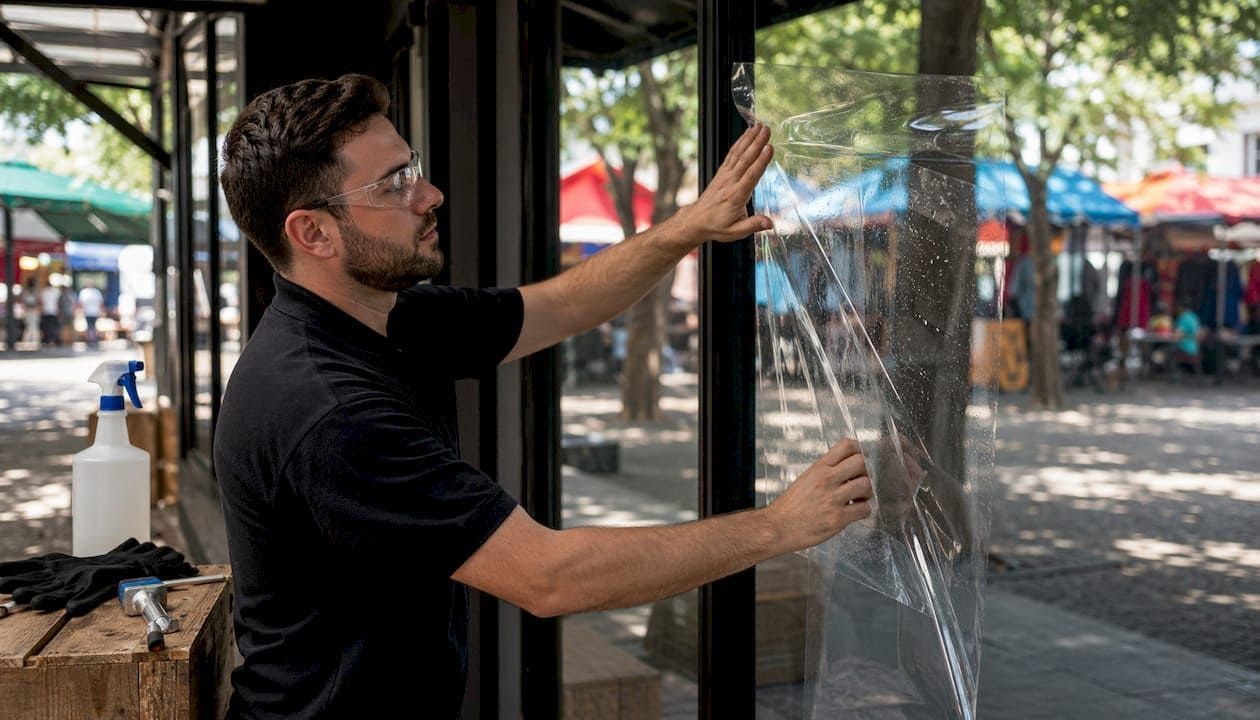
Long-term durability depends heavily on installation quality. Poor DIY application results in peeling, bubbling, and haze that degrades both performance and appearance. Professional installation with proper surface preparation and precision cutting is not optional if you want the film to last.
Choosing and maintaining the best window coatings
Picking the right coating is not complicated once you know what to evaluate. Work through these factors before making any decision:
- Climate and building orientation. If your building faces south or west and you pay more for cooling than heating, solar-control or spectrally selective coatings are the right direction. If heating costs dominate, passive low-e is more appropriate.
- Efficiency goals vs. budget. Factory-applied coatings on new glass offer peak performance, but quality aftermarket films close most of that gap at a lower upfront cost. Be honest about your payback timeline expectations.
- Existing glass condition. Films bond best to clean, unscratched glass. Older windows with significant wear may need replacement before coating makes sense.
- Desired additional features. If security, privacy, or UV protection beyond basic energy control matters to you, select a film that addresses those needs specifically. Many advanced window film technologies address multiple goals in a single product.
- Professional installation. Precision in application, including dust-free surface prep and exact cutting technique, determines whether your coating performs at spec for its full lifespan or starts degrading within a few years.
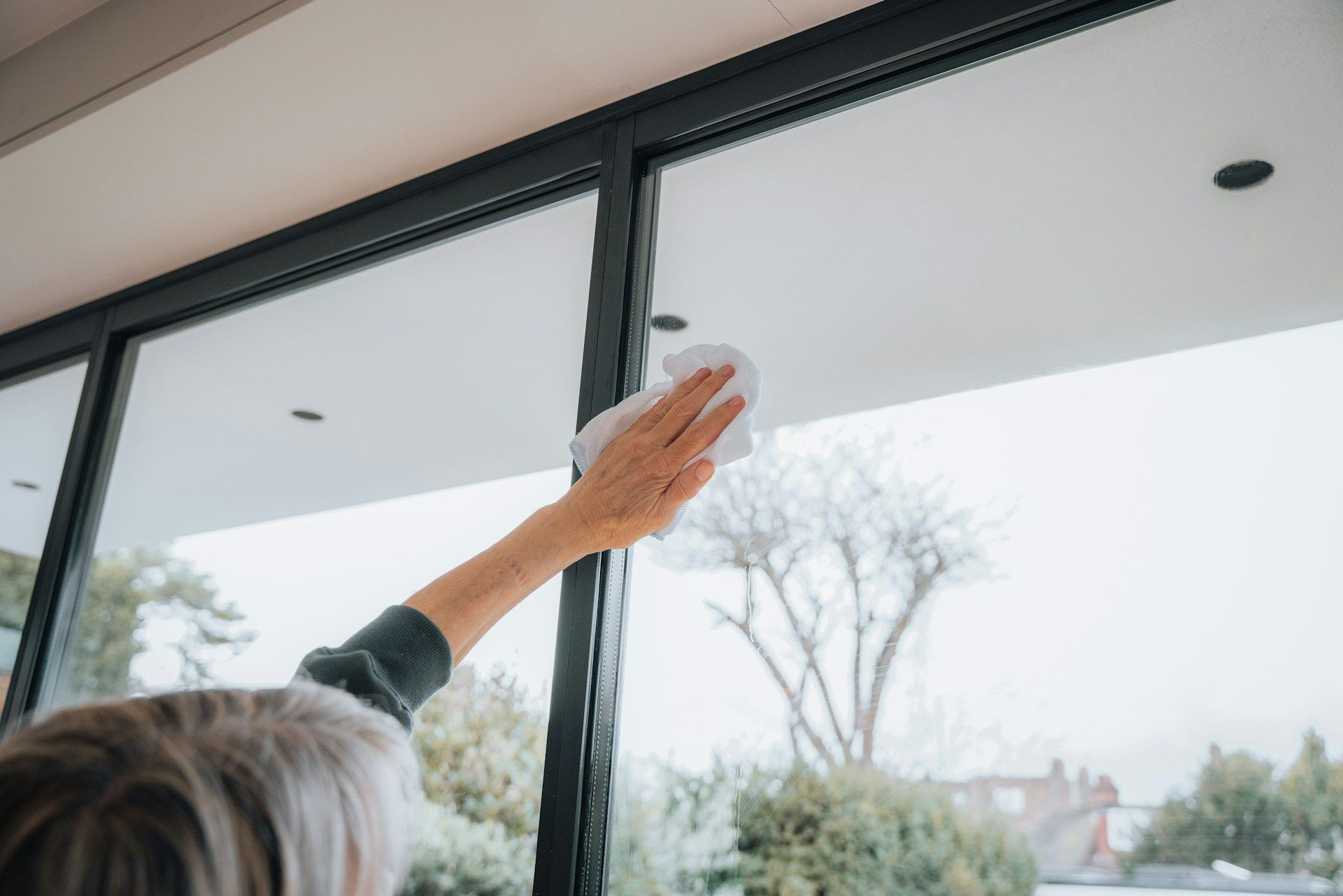
For maintenance, most quality window films require nothing more than gentle cleaning with a soft cloth and non-abrasive solution. Avoid ammonia-based cleaners, which can break down film adhesives over time. Most manufacturers recommend waiting 30 days after installation before cleaning to allow full adhesive curing.
Pro Tip: Ask your installer for the manufacturer's cleaning and maintenance instructions in writing before the job is done. A quality product without proper care guidance is a setup for a premature replacement.
Innovations worth watching include electrochromic films that change tint level on demand, and thermochromic coatings that self-adjust based on temperature. These are not yet mainstream for residential use but are appearing in commercial projects.
What I have learned working with transparent coatings
I have seen a lot of property managers treat window coatings as an afterthought. They put energy into HVAC upgrades, insulation, and lighting, then install whatever window film is cheapest as a finishing step. That is exactly backwards.
In my experience, windows are where a building's energy strategy either holds together or leaks out. A properly specified, professionally installed transparent coating on south and west glass can do more for summer cooling costs than many HVAC tweaks costing twice as much. The physics are straightforward. Blocking heat before it enters is always more efficient than removing it after it has built up inside.
The other thing I consistently see underestimated is the UV protection value for commercial spaces. Retailers and office managers rarely calculate what fading costs them over five years in furniture, flooring, and displayed inventory. When you run those numbers honestly, the return on a quality spectrally selective film is obvious.
The future of this category is genuinely interesting. Multifunctional coatings that self-heal, resist bacteria, and control tint electronically are moving from research into real buildings. The transparent window coating you install today is not the ceiling of what the technology can do. It is the floor.
Get a professional coating assessment for your property
If this article clarified what transparent window coatings can do, the next question is which product fits your specific building and goals. That is not a question with a generic answer.
At Surfacetint, Surface Dynamics Window Tinting's team assesses your building's orientation, existing glass, and efficiency priorities before recommending a product. As an exclusive LLumar SelectPro Dealer, Surfacetint installs Vista Solar Control Films, Safety and Security Films, and Decorative Privacy Films for residential and commercial properties across Southern New Hampshire and the Greater Boston Area. Whether you are managing a commercial property with large south-facing glass or upgrading a home, request a free estimate and get a recommendation grounded in your actual conditions, not a product catalog.
FAQ
What is the definition of a transparent window coating?
A transparent window coating is a microscopically thin metallic or metal oxide layer applied to glass that controls heat, UV radiation, and infrared light transmission without visibly altering the appearance of the window.
How do window coatings work to reduce energy costs?
Window coatings work by reflecting infrared radiation, which reduces heat loss in winter and heat gain in summer. Low-e coatings can reduce building energy loss by 30% to 50% depending on the coating type and application.
What are the main types of window coatings?
The main types of window coatings include passive low-e coatings for cold climates, solar-control low-e coatings for warm climates, spectrally selective coatings for maximum daylight with minimal heat gain, and aftermarket transparent films for retrofitting existing windows.
Are transparent window films as good as factory-applied coatings?
Aftermarket films close most of the performance gap at a lower cost, but factory-applied coatings bonded during glass manufacturing offer slightly higher durability and insulating performance. The right choice depends on your budget and whether your existing windows are otherwise in good condition.
How long do transparent window coatings last?
Factory-applied low-e coatings last the life of the glass unit. Aftermarket films typically last between 1 and 15 years depending on product quality, installation precision, and ongoing maintenance.
Recommended