
How to Improve Office Energy Efficiency in 2026
TL;DR:
- Most office energy costs can be significantly reduced through behavioral changes, targeted upgrades, and building envelope improvements. Conducting regular energy audits, upgrading lighting to LEDs, optimizing HVAC scheduling, and sealing leaks are essential first steps. Implementing these measures alongside occupant engagement and renewable options leads to sustainable, substantial savings.
Energy bills are one of the most controllable operating expenses in any office, yet most businesses treat them as fixed costs. If you're looking at how to improve office energy efficiency, the good news is that meaningful reductions don't require massive capital investment. A combination of smart behavioral changes, targeted equipment upgrades, and building envelope improvements can cut your energy costs by 25% or more. This guide walks you through exactly what to do, in the right order, so you stop guessing and start saving.
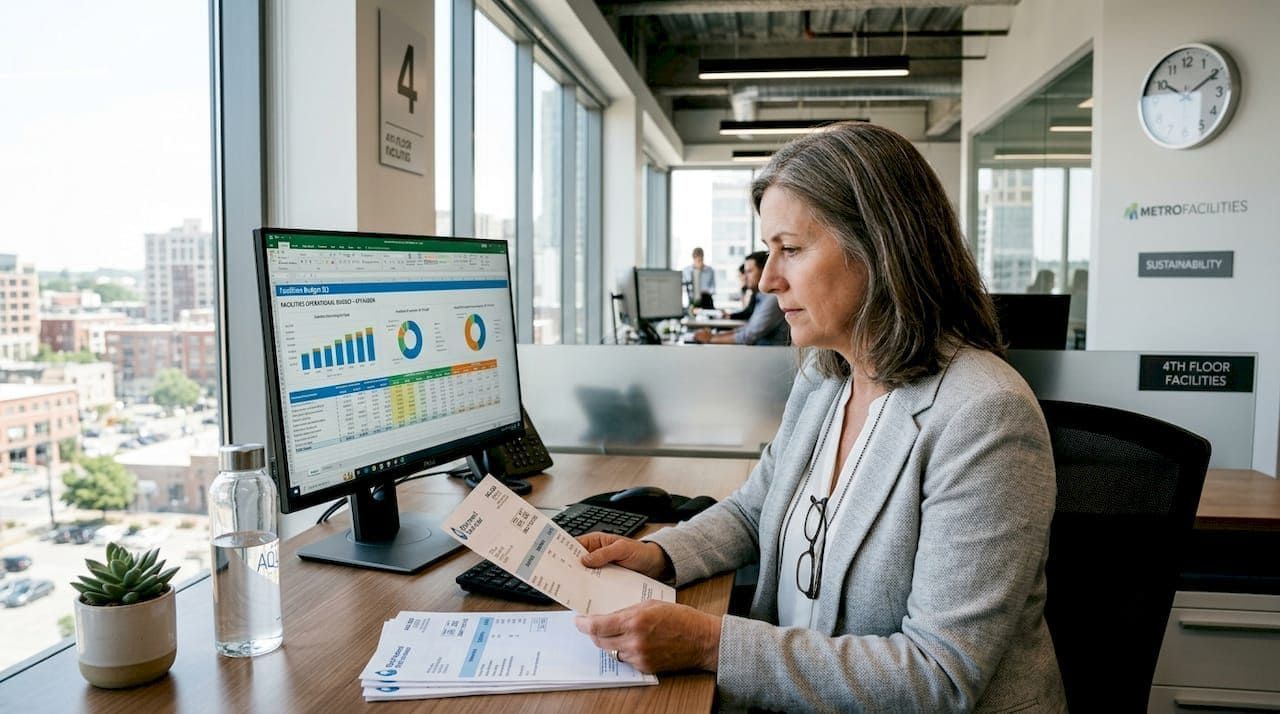
Table of Contents
- Key takeaways
- How to improve office energy efficiency: start with a real audit
- Lighting upgrades that actually move the needle
- Optimizing HVAC for cost and comfort
- Office-wide behavioral changes that cost nothing
- Upgrading the building envelope and renewable options
- My honest take on making this actually work
- Cut your office energy costs with commercial window film
- FAQ
Key takeaways
| Point | Details |
|---|---|
| Start with an energy audit | Measure before you spend. Benchmarking reveals where the biggest savings actually live. |
| LED lighting delivers fast ROI | Switching to LEDs with occupancy sensors can cut lighting energy use by up to 90%. |
| HVAC is your biggest lever | Heating and cooling account for 50 to 60% of commercial energy use. Scheduling changes alone make a dent. |
| Behavior changes pay immediately | Low or no-cost operational measures can reduce consumption by 5 to 15% within weeks. |
| Building envelope upgrades compound savings | Window film and insulation improvements reduce HVAC load and make every other upgrade more effective. |
How to improve office energy efficiency: start with a real audit
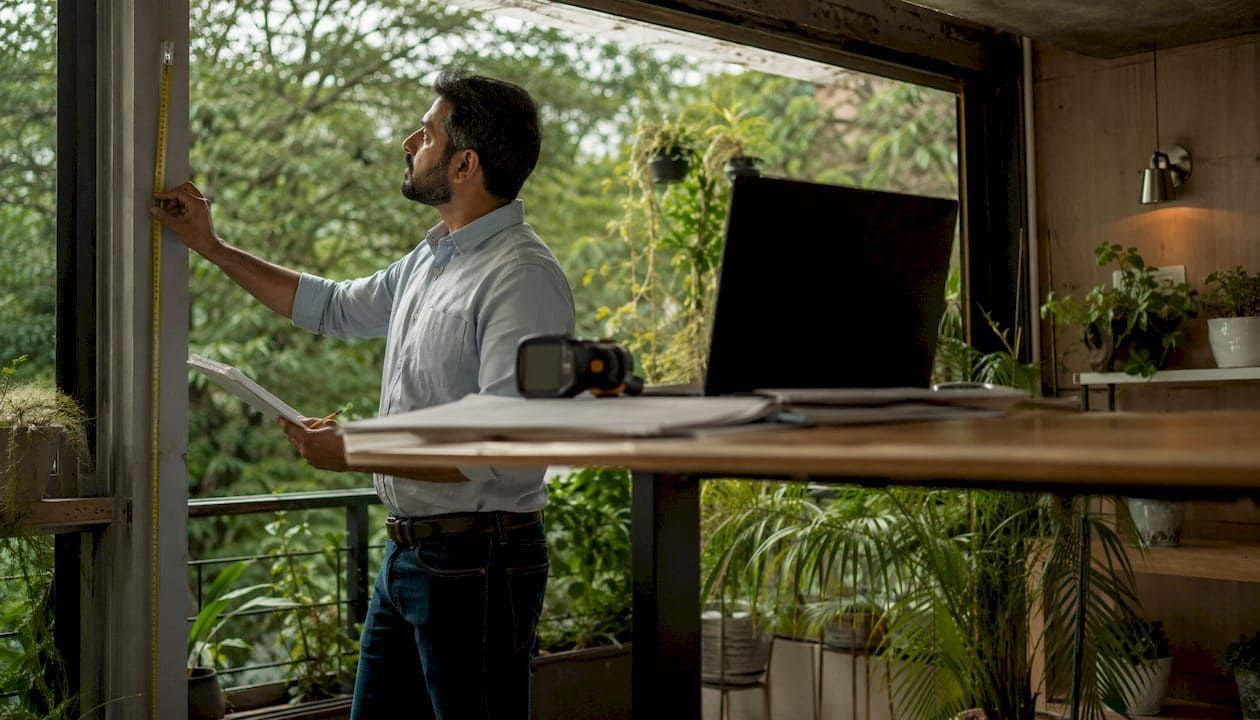
You cannot manage what you don't measure. Before upgrading a single light bulb or reprogramming a thermostat, you need a clear picture of where your office is actually consuming energy. Skipping this step is how companies spend money on the wrong things and wonder why the bills don't drop.
The three tools worth using are smart meters, submetering, and building energy management software. Smart meters give you real-time consumption data. Submetering breaks that data down by floor, zone, or system. Building software overlays occupancy data, so you can see exactly when and where waste occurs. Continuous monitoring can identify operational inefficiencies causing 20 to 35% energy waste without any equipment being broken.
Your major energy consumers in a typical office are:
- HVAC systems (heating, cooling, ventilation)
- Lighting (artificial and unmanaged daylight)
- Office equipment (computers, servers, printers, monitors)
- Plug loads (chargers, appliances, vending machines)
- Building envelope (windows, insulation, air leaks)
Once you know the breakdown, set specific targets. A 15% reduction in HVAC energy over 12 months is a goal you can track. "Reduce energy costs" is not. Create a prioritized list based on cost, complexity, and payback period, then build a realistic budget around it.
Pro Tip: Before requesting quotes for any upgrade, pull 12 months of utility bills and calculate your cost per square foot per year. This single number becomes your baseline and your scorecard.
Lighting upgrades that actually move the needle
Lighting is often the fastest payback upgrade available to office managers, and most offices are still leaving serious money on the table. Switching to LED lighting uses 75 to 80% less energy than traditional bulbs. When you combine LEDs with occupancy sensors and daylight harvesting controls, total lighting energy reductions of 60 to 90% become achievable.
Here is a practical implementation sequence:
- Audit your current fixtures. Identify every fluorescent tube, incandescent bulb, and halogen fitting in the building. Note the wattage and daily hours of use.
- Replace tubes and bulbs with LEDs. Prioritize the spaces that run longest. Open-plan offices and corridors are usually first.
- Install occupancy sensors in low-traffic areas. Bathrooms, storage rooms, conference rooms, and stairwells are ideal. People forget to turn off lights. Sensors don't.
- Add daylight sensors near windows. These dim or switch off artificial lights when natural light is sufficient, capturing savings without anyone doing anything.
- Zone your lighting by task and occupancy pattern. A private office and an open bullpen have different needs. One switch for everything is both wasteful and bad for productivity.
There's a secondary benefit that most facilities guides overlook: LEDs emit less heat than their predecessors, which directly reduces your cooling load in warm months. That means your HVAC system runs less, compounding the savings from the lighting upgrade itself.
Pro Tip: When specifying LED replacements, match color temperature to function. Cooler white light (5000K) supports focus in task-heavy areas, while warmer tones (3000K) work better in reception and break rooms.
Optimizing HVAC for cost and comfort
HVAC is where the real money is. Heating and cooling account for 50 to 60% of commercial building energy use, which means even modest improvements here outperform major upgrades in other systems. Most offices dramatically underuse the scheduling and zoning capabilities already built into their existing equipment.
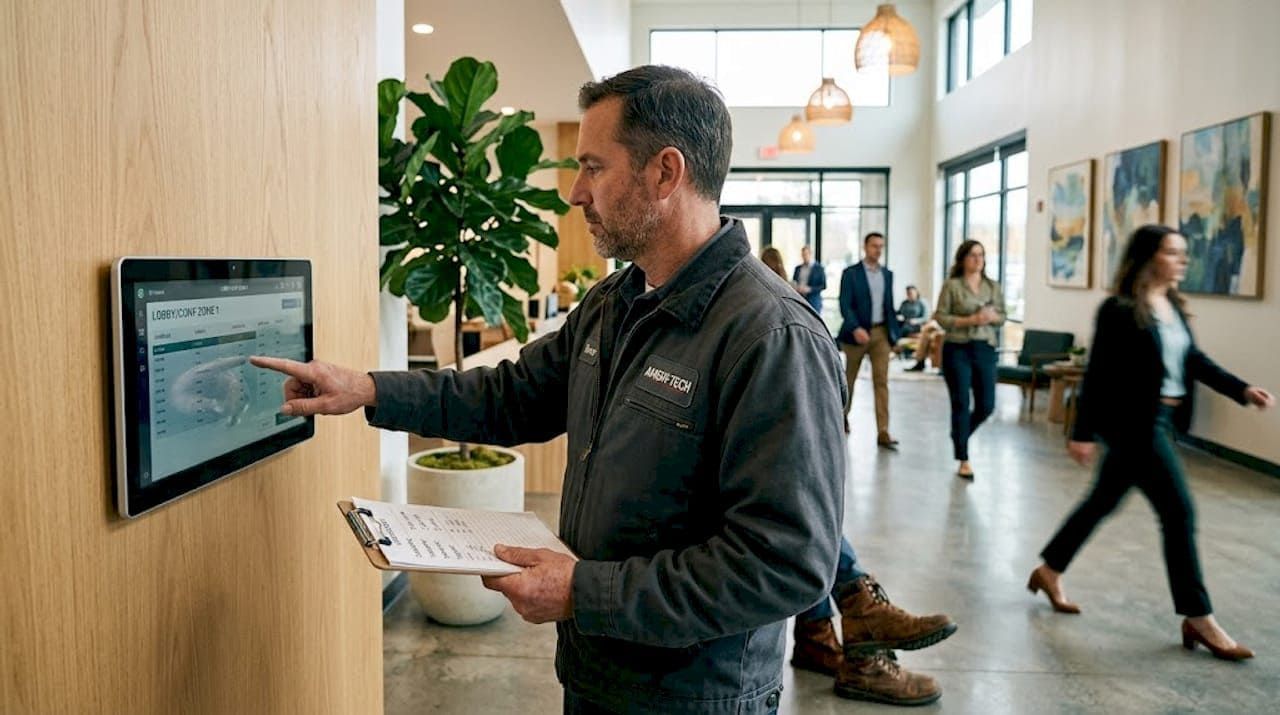
Start with scheduling. Program your HVAC to match actual occupancy, not assumed occupancy. If your office runs 8 AM to 6 PM, there's no reason the system should be running at full capacity at 5:45 AM or 9 PM. Setback strategies, where you allow temperatures to drift several degrees outside occupied hours, deliver immediate savings. Dropping the thermostat setpoint by just 1°C saves over 8% on heating costs.
| Strategy | Estimated savings | Complexity |
|---|---|---|
| HVAC scheduling aligned to occupancy | 15–25% on HVAC costs | Low |
| Thermostat setback during unoccupied hours | 8–15% on heating/cooling | Low |
| Upgrading to SEER 16+ units with occupancy controls | 35–45% in conference rooms | High |
| Right-sizing oversized HVAC equipment | 10–20% on overall system | Medium |
One issue that rarely gets discussed openly: oversized HVAC equipment. Many commercial buildings have systems designed with excessive safety margins, which means the units cycle on and off rapidly instead of running at steady, efficient loads. Right-sizing HVAC systems to actual loads improves average efficiency more than thermostat adjustments alone and eliminates the comfort complaints that often come from short-cycling systems.
- Schedule quarterly filter changes and coil inspections. Dirty filters force systems to work harder.
- Calibrate thermostats and sensors annually. A thermostat reading 2°F off causes continuous overcorrection.
- Use CO2 sensors in meeting rooms to trigger ventilation only when spaces are occupied.
- Seal duct leaks. Studies consistently show 20 to 30% of conditioned air is lost before it reaches the intended space.
Pro Tip: If you use a Variable Refrigerant Flow system, deploy submetering on individual indoor units. You'll likely find two or three zones consuming disproportionate energy, often because of poor airflow design or user overrides.
Office-wide behavioral changes that cost nothing
Technology upgrades get most of the attention, but behavioral and operational measures can reduce office energy consumption by 5 to 15% immediately. The best part: most of these cost nothing to implement.
The sequence that works:
- Make leadership visible. CEO or management messaging about energy goals consistently outperforms posters and email reminders. When staff see that leadership takes it seriously, behavior follows.
- Launch a switch-off campaign. Designate someone to walk the floor at end of day. Lights, monitors, task lamps, and chargers all draw power when nobody's there.
- Deploy smart power strips at workstations. These cut standby power to peripheral devices when the main computer shuts down.
- Enable computer power management settings. Sleep mode after 10 to 15 minutes of inactivity and automatic shutdown at a set time are both underused.
- Run a friendly internal competition. Energy-saving competitions with visible scoreboards produce sustained 30% reductions in after-hours energy use.
"Desktop energy apps reduce workstation energy consumption by 38% on average, making them one of the most cost-effective tools available for office energy management."
Follow-through matters as much as the launch. Set up a monthly energy review where you compare actual consumption against your baseline. Share the numbers with the team. When people can see the result of their actions, engagement holds.
Upgrading the building envelope and renewable options
Behavioral changes and equipment upgrades work better when the building itself stops fighting you. Heat gains through windows, air leaks around doors, and poor insulation force your HVAC system to work constantly just to maintain baseline comfort. Addressing the building envelope is where you get compounding returns.
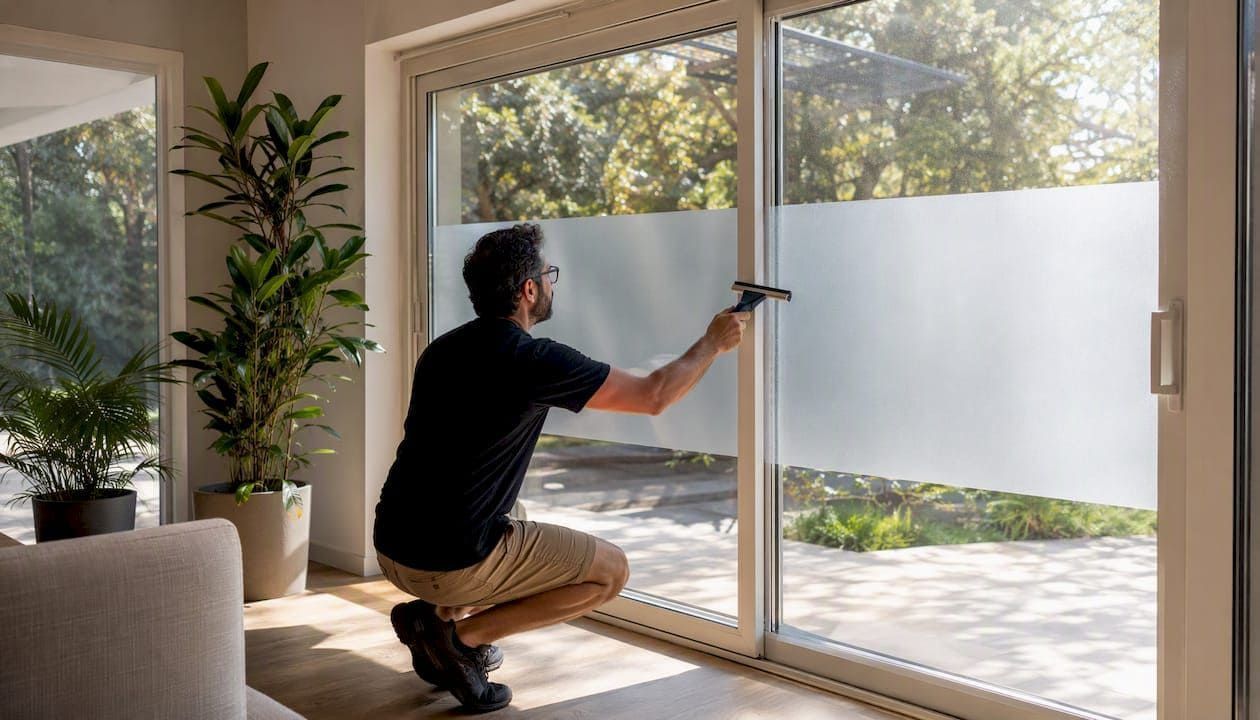
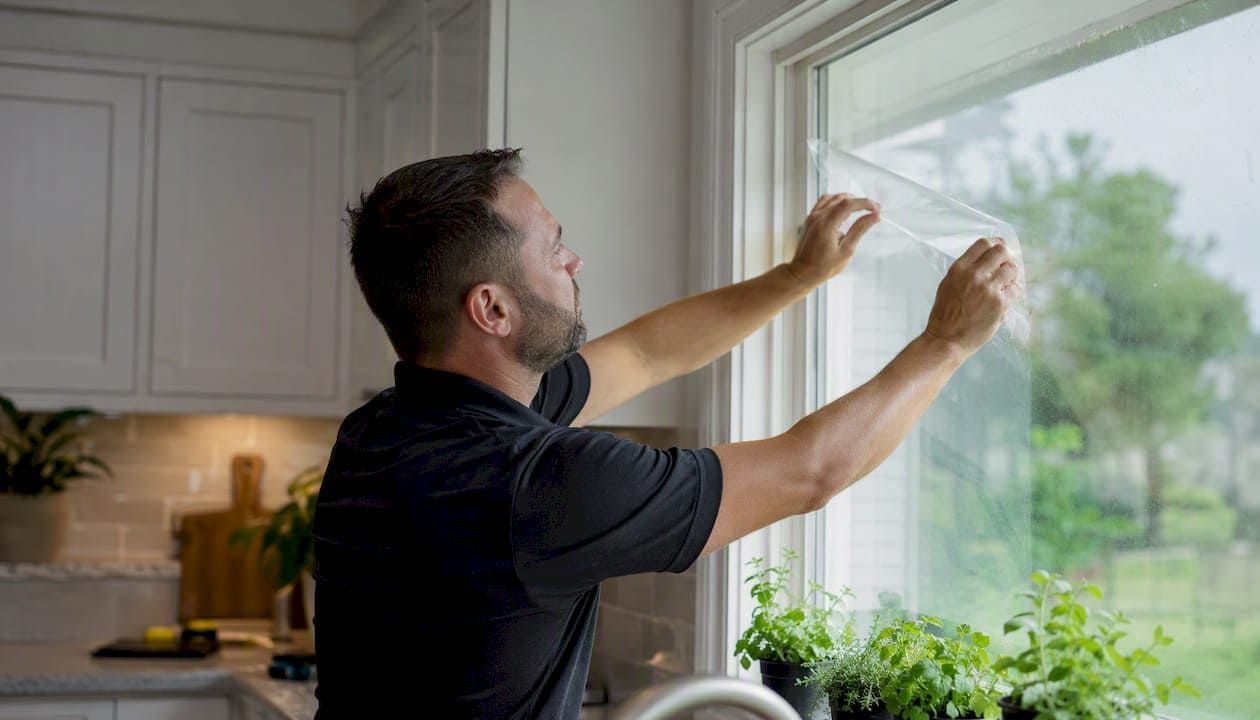
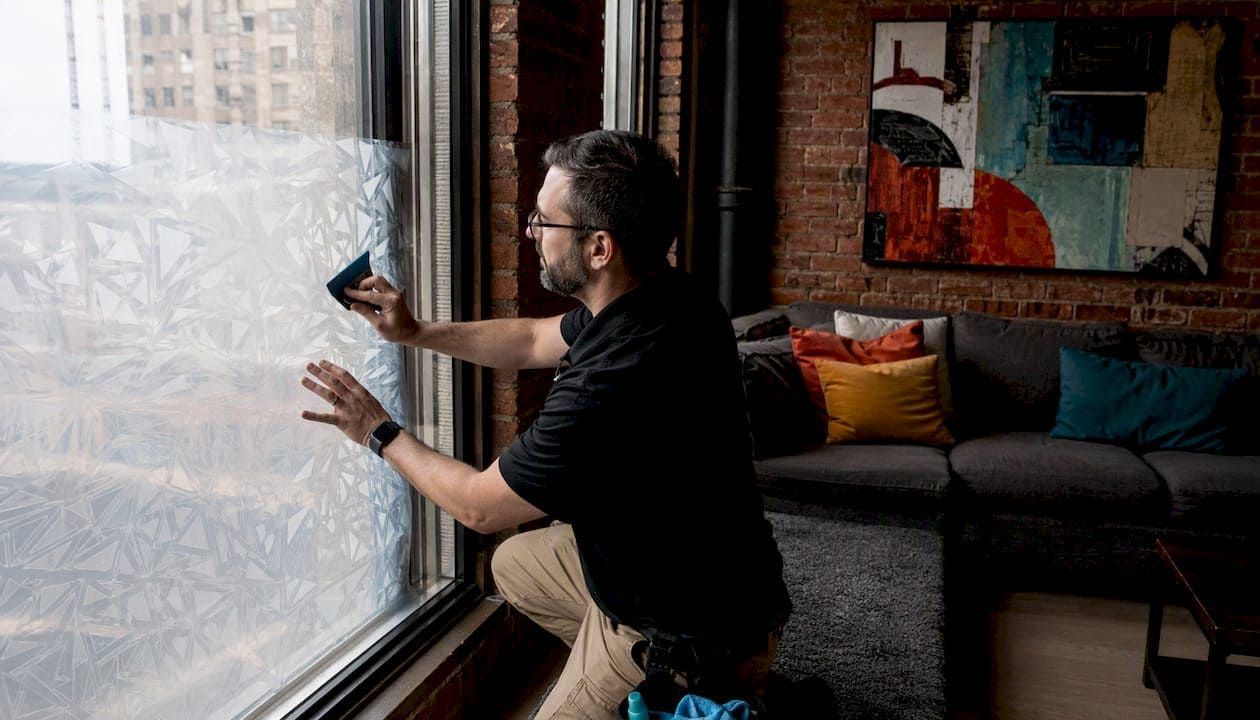
Window film is one of the most cost-effective envelope upgrades available. Commercial window tinting can cut energy costs by up to 25% by reducing solar heat gain in summer and retaining interior heat in winter. Unlike replacing windows, film installs quickly, requires no construction, and starts delivering savings immediately.
| Building upgrade | Primary benefit | Typical payback |
|---|---|---|
| Commercial solar window film | Reduced cooling load, glare control | 2–4 years |
| Air sealing and weatherstripping | Reduced infiltration losses | Under 1 year |
| Roof or wall insulation upgrade | Reduced heating and cooling load | 3–7 years |
| Solar panels | On-site generation, grid offset | 5–10 years |
Beyond window film, the upgrades worth prioritizing are:
- Air sealing. Gaps around windows, doors, electrical outlets, and plumbing penetrations are easy to seal and deliver fast payback.
- Insulation improvements. Roof insulation especially, since heat rises and roof losses are disproportionately large in poorly insulated buildings.
- ENERGY STAR certified equipment. When existing equipment reaches end of life, procurement policies that require ENERGY STAR ratings prevent efficiency losses from creeping back in through new purchases.
- On-site renewables. Solar panels and heat pumps are longer-term investments, but they become more financially attractive once you have reduced your baseline consumption through the measures above.
Smart building technology combined with IoT sensors can save an additional 18% on energy in typical office buildings and up to 50% in older, less efficient ones. The building envelope and renewables work best as the final layer on top of an already-optimized operation.
My honest take on making this actually work
I've worked with enough facilities managers to know that the biggest obstacle to office energy efficiency isn't technology or budget. It's the "set it and forget it" mindset. A new HVAC schedule gets programmed once, occupancy patterns change, and nobody updates the system. An LED retrofit gets done and everyone assumes the job is finished. Efficiency decays when nobody's watching.
What I've seen actually work is treating energy management like any other operational process. You measure, you review, you adjust. Not once a year. Monthly, at minimum. The businesses that sustain their savings long term are the ones that assigned ownership. One person, one dashboard, one monthly number they're responsible for explaining. That's it.
I'll also say this plainly: don't start with the expensive stuff. I've seen offices spend $80,000 on a new HVAC system before fixing $200 worth of air leaks and adjusting their scheduling. The audit and the behavioral changes are the foundation. Every technical upgrade performs better on top of that foundation than it would in isolation.
The other thing I'd push back on is the idea that occupant comfort and efficiency are in tension. They're not. Properly zoned lighting, well-maintained HVAC, and reduced glare from window film all make a space more comfortable. When people are comfortable, they stop fiddling with thermostats and portable heaters and fans, which creates a whole new category of energy waste. Comfort and efficiency point in the same direction when you design for both.
Cut your office energy costs with commercial window film
If your audit points to solar heat gain as a major driver of your cooling costs, professional window film is worth a serious look. Surfacetint installs commercial solar control films for offices throughout Southern New Hampshire and the Greater Boston Area, using LLumar Vista Films that block heat, cut glare, and protect furnishings from UV damage without darkening your space.
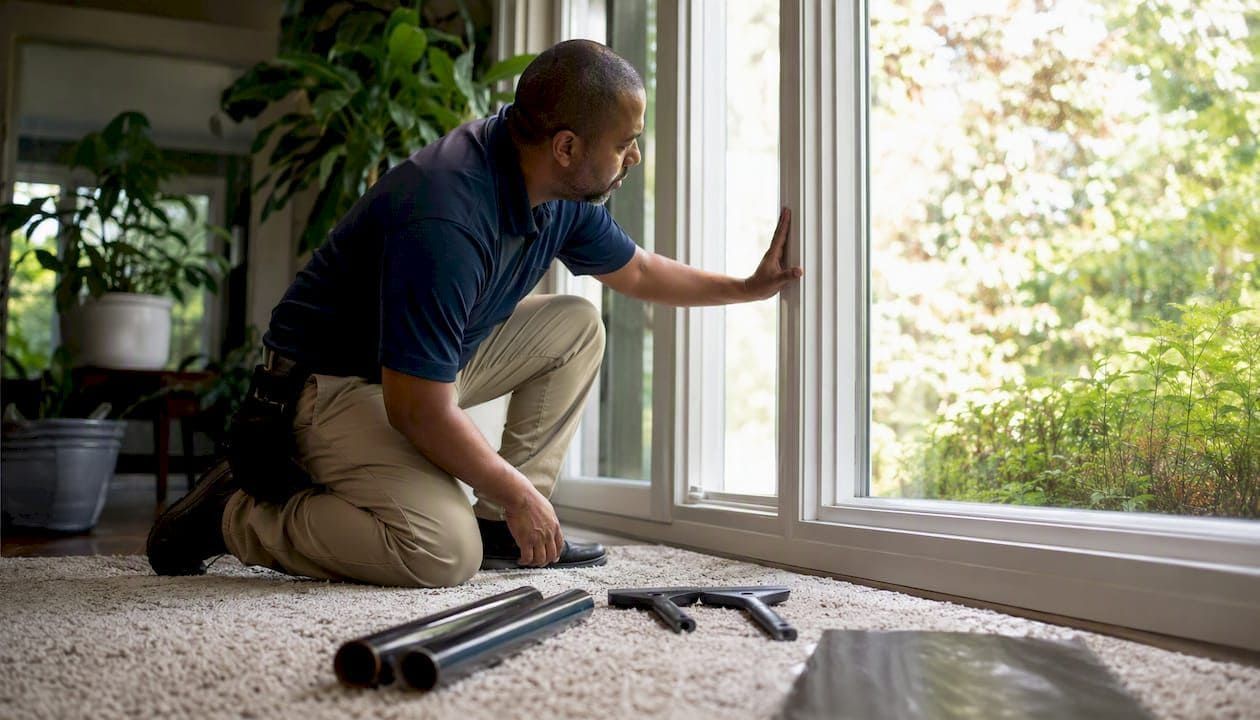
The process is faster than most facility managers expect. A typical commercial installation causes minimal disruption to daily operations, and the energy savings start from day one. You can explore the full range of commercial window film options using Surfacetint's interactive viewer before committing to anything. If you're ready to see what film would work for your specific building, Surfacetint's team handles everything from site assessment through installation. Learn more about commercial solar film installation or reach out directly for a consultation tailored to your office.
FAQ
What is the fastest way to reduce office energy costs?
Behavioral changes and scheduling adjustments deliver the fastest results. Turning thermostats down by 1°C, enabling computer sleep modes, and running switch-off campaigns can reduce consumption by 5 to 15% within weeks at little to no cost.
How much can LED lighting save in an office?
Switching to LEDs uses 75 to 80% less energy than traditional bulbs. When combined with occupancy sensors and daylight harvesting, total lighting energy savings of up to 90% are achievable.
What percentage of office energy does HVAC consume?
HVAC systems account for 50 to 60% of commercial building energy use, making them the single largest opportunity for savings through scheduling, right-sizing, and occupancy-based controls.
Does window film actually reduce energy costs in offices?
Yes. Professional commercial window tinting reduces solar heat gain, lowering cooling loads and improving occupant comfort. Studies show it can cut energy costs by up to 25% in appropriately glazed buildings.
How often should an office conduct an energy audit?
A full energy audit every two to three years is a solid baseline, with monthly review of consumption data against your established benchmarks to catch operational drift between audits.
Recommended