
9 Proven Ways to Prevent Window Heat at Home
TL;DR:
- Standard double-pane windows allow up to 76% of sunlight to convert into heat, increasing cooling costs. Exterior shading and professional window films are the most effective solutions, with timing, sealing, and prioritizing problem windows enhancing energy savings. Combining physical treatments with behavioral strategies offers homeowners the best chance to reduce window heat year-round.
Your windows are working against you. Standard double-pane windows allow up to 76% of sunlight to convert directly into heat inside your home, and that statistic alone explains why your air conditioner runs constantly during summer. For homeowners and property managers, the ways to prevent window heat range from a $30 curtain swap to a professional film installation that pays for itself within a few cooling seasons. This guide covers every realistic option, with enough detail to help you choose what actually fits your budget, property, and goals.
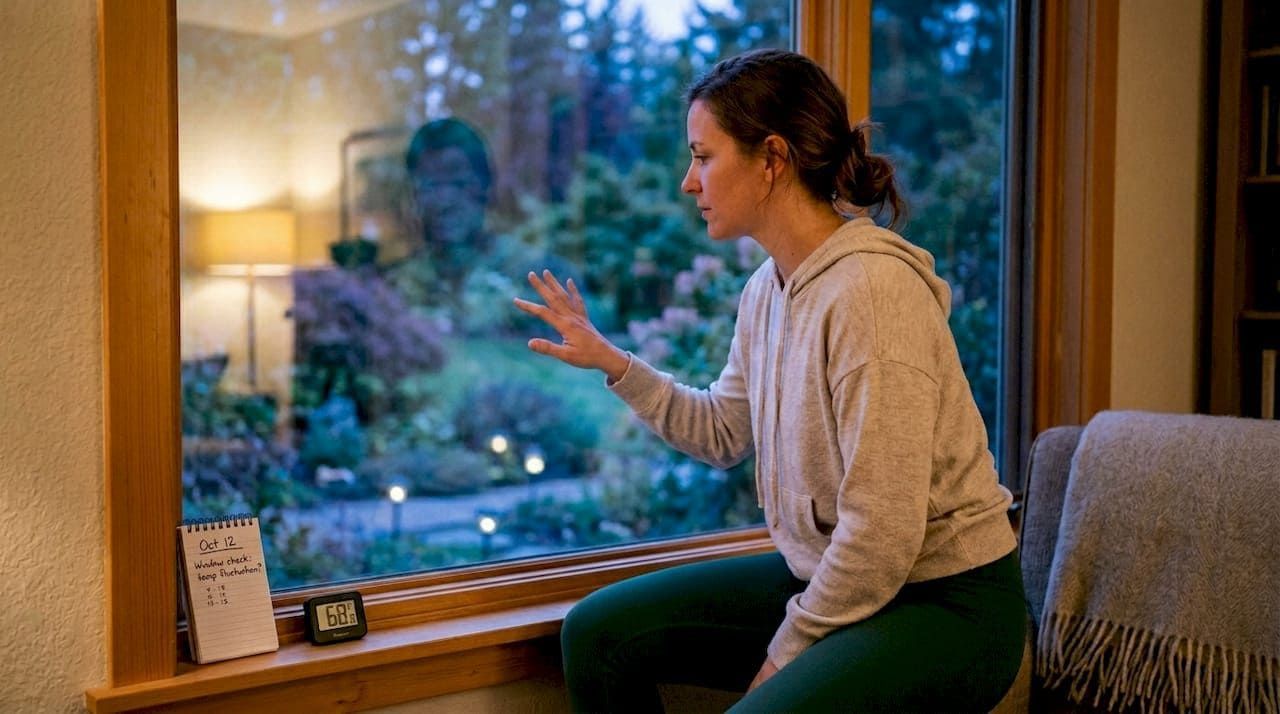
Table of Contents
- Key takeaways
- 1. Understand how to evaluate ways to prevent window heat
- 2. Use blackout and thermal curtains for an affordable start
- 3. Install window films for high-performance heat rejection
- 4. Add exterior shading to stop heat before it hits the glass
- 5. Seal air leaks to prevent hot air infiltration
- 6. Time your coverings strategically during peak heat hours
- 7. Explore best window insulation methods for all seasons
- My take on window heat prevention after working in the field
- See what professional window film looks like on your property
- FAQ
Key takeaways
| Point | Details |
|---|---|
| Windows are a major heat source | Up to 76% of sunlight through standard glass becomes indoor heat, driving up cooling costs. |
| Exterior shading stops heat first | Blocking solar radiation before it hits the glass is more effective than interior treatments. |
| Window films offer high performance | Professional solar control films reduce heat and block UV while maintaining your view. |
| Timing and sealing matter | Keeping coverings closed from 10 AM to 6 PM and sealing air leaks delivers measurable cooling gains. |
| Hybrid approaches work best | Pairing physical treatments with behavioral tactics produces the greatest energy savings. |
1. Understand how to evaluate ways to prevent window heat
Before spending money on any product, you need a framework that lets you compare options fairly. Not every solution works equally well across different property types, climates, and window orientations.
The five criteria that matter most:
- Effectiveness: How much solar heat gain does the solution actually block? Look for measurable temperature reductions or solar heat gain coefficients rather than vague marketing claims.
- Cost: Factor in both upfront purchase price and long-term energy savings. A more expensive film that lasts 15 years often beats cheap curtains replaced every two.
- Installation complexity: Some solutions require a professional. Others are genuinely DIY-friendly with basic tools.
- Aesthetics: Will this solution change how your home looks from inside or outside? Some property managers face tenant or HOA restrictions.
- Energy efficiency impact: Does the solution reduce your HVAC runtime in a measurable way? This is where combining active and passive methods separates good choices from great ones.
Pro Tip: Before buying anything, walk through your property at 2 PM on a sunny day and identify which windows feel hottest to the touch. Those are your priority windows and the ones where investing in a stronger solution pays off fastest.
2. Use blackout and thermal curtains for an affordable start
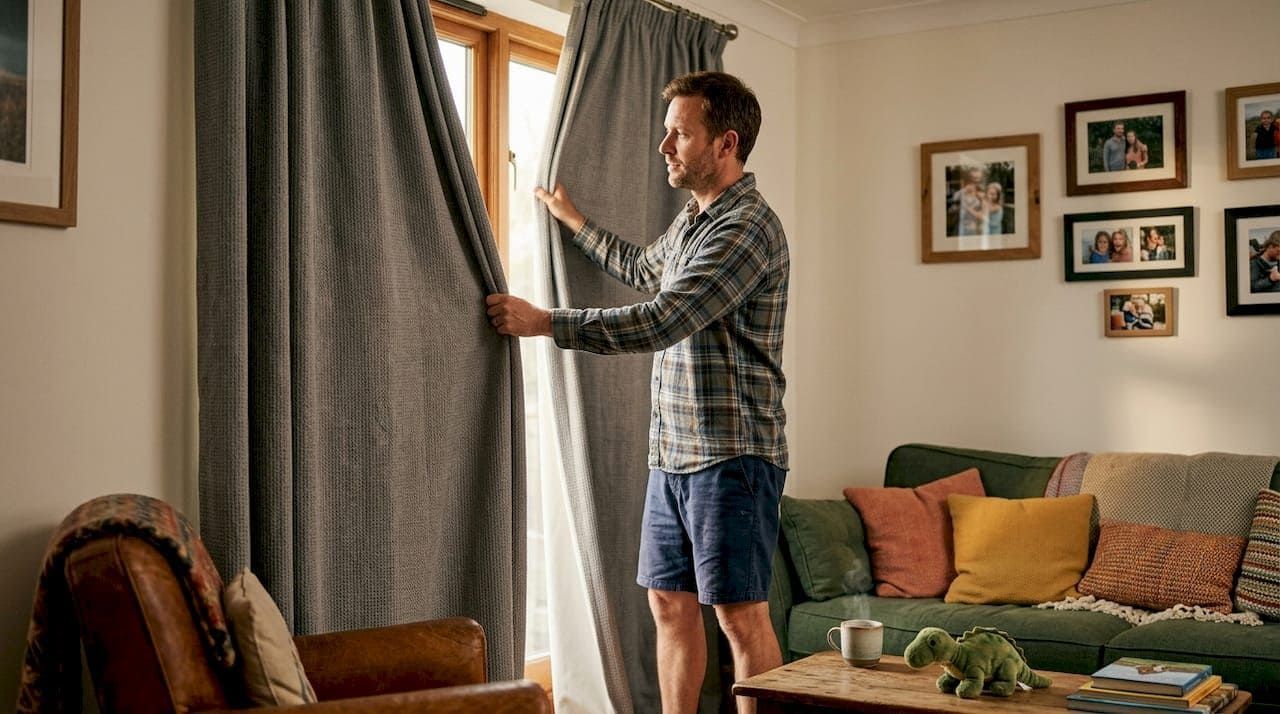
Curtains are the most accessible entry point for reducing window heat, and the performance gap between a standard curtain and a thermal curtain is larger than most people expect.
Standard blackout curtains reduce indoor temperatures by 2 to 5 degrees, which sounds modest but translates to a real reduction in air conditioner runtime over a full summer. Thermal curtains with multiple insulating layers push that range to 5 to 10 degrees of reduction, enough to make a south-facing bedroom noticeably more bearable.
What to look for when shopping:
- Triple-weave or foam-backed fabric blocks more radiant heat than single-layer blackout material
- Floor-to-ceiling coverage prevents hot air from circulating around the edges
- Light-colored exteriors reflect rather than absorb solar radiation at the window surface
- Ceiling-mounted rods create a tighter seal between the curtain and the wall
The limitations are worth knowing. Curtains trap heat in the fabric and glass zone when they are closed tightly, which can make the space feel stuffy. They also require regular washing to maintain their reflective properties.
Pro Tip: Close your thermal curtains before the room heats up, not after. Shutting them at 8 AM on a sunny day keeps the cool air locked in. Waiting until the room is already warm means you are sealing heat inside, not out.
3. Install window films for high-performance heat rejection
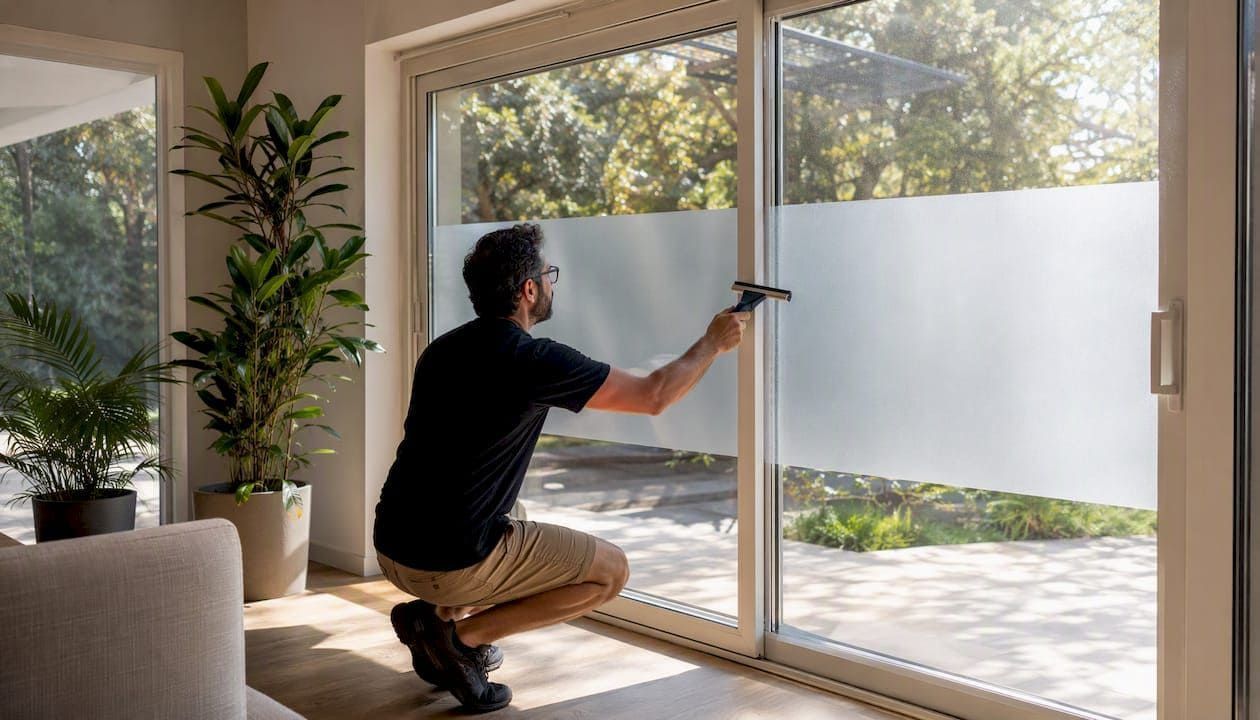
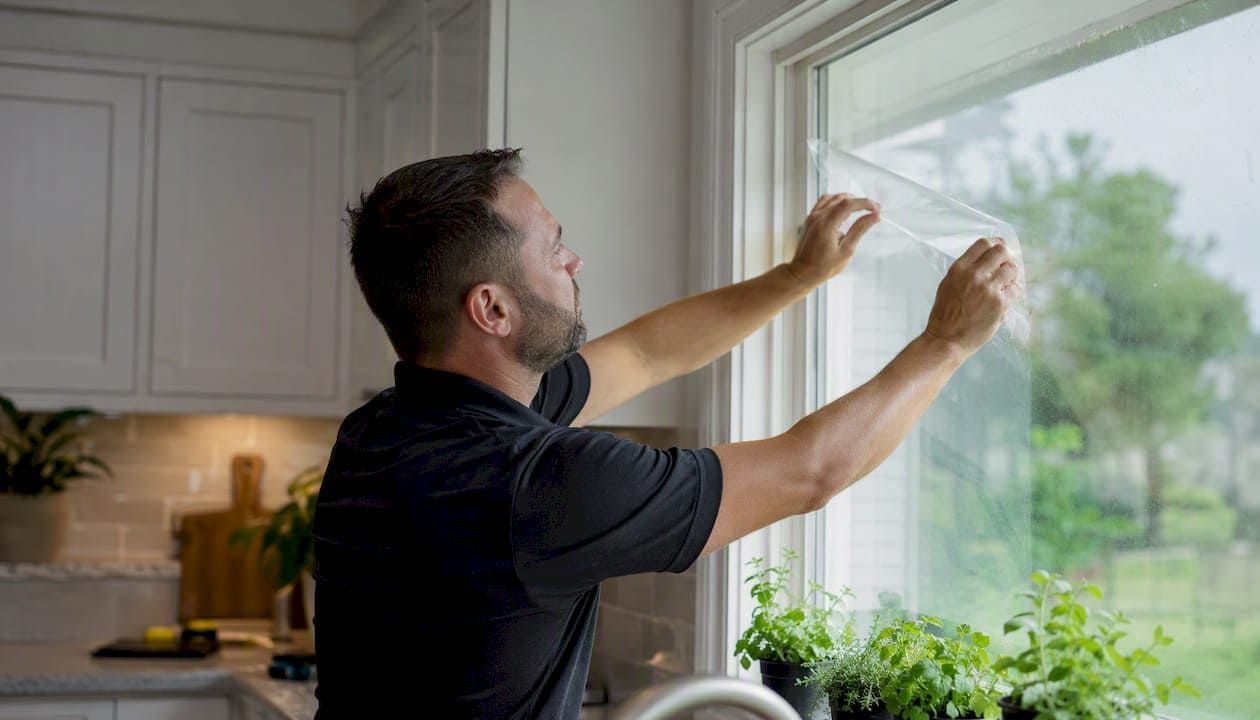
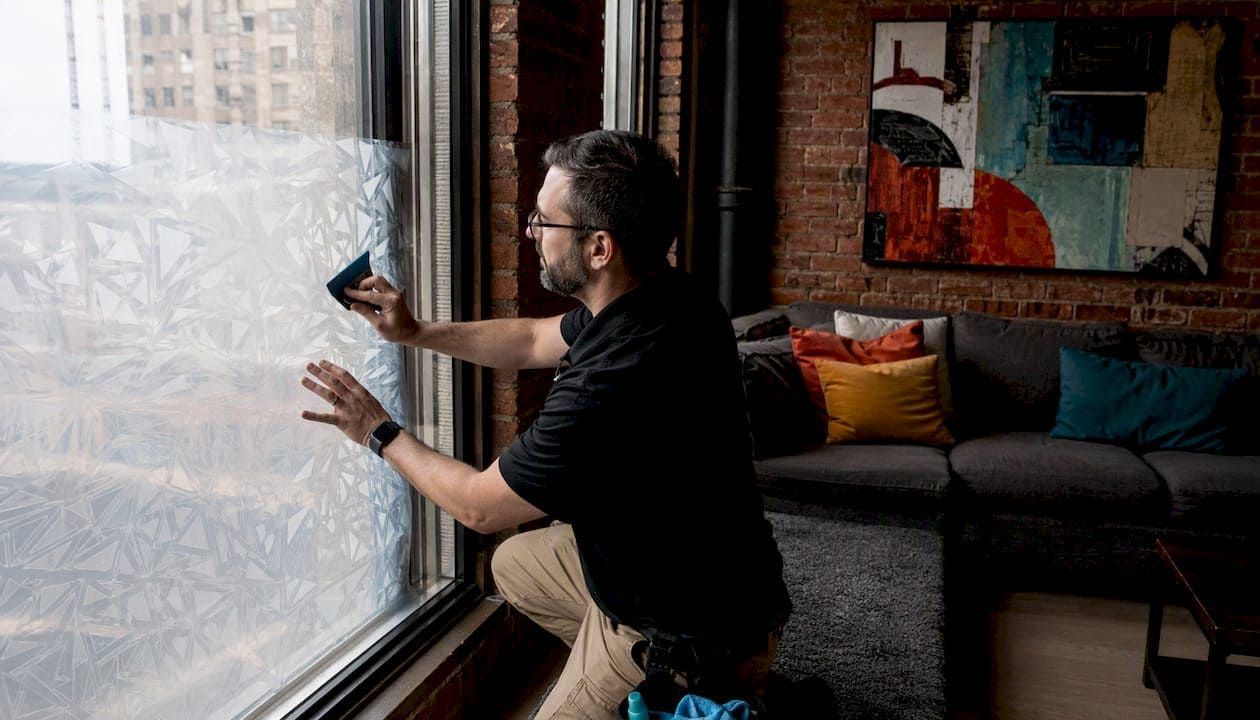
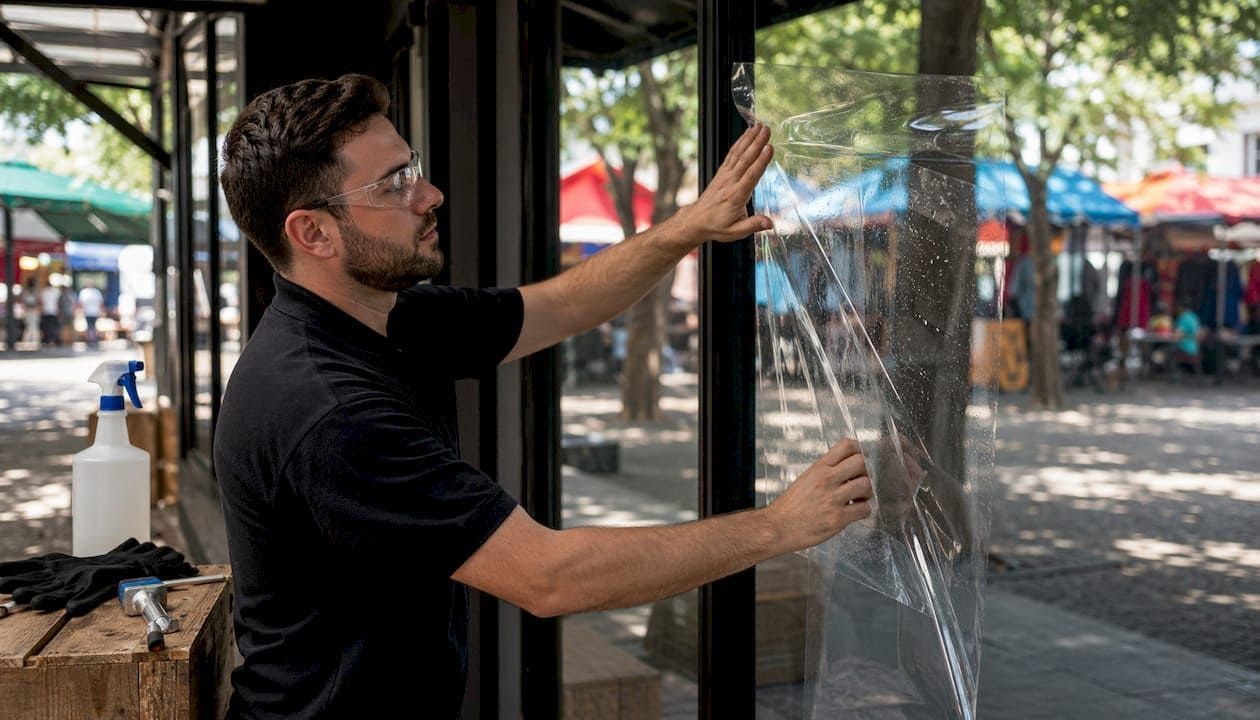
Window films are the most efficient solutions for heat in windows when you need results without sacrificing your view or natural light. A quality solar control film sits invisibly on the glass and rejects solar heat at the source rather than after it has entered the room.
There are three main categories:
- Solar control films: Designed specifically to reject solar heat gain. They reduce glare, cut UV penetration by up to 99%, and keep interior surfaces from fading.
- Low-E (low-emissivity) films: Work year-round by retaining heat in winter and blocking it in summer. Ideal for climates with both seasonal extremes, like Southern New Hampshire and the Greater Boston Area.
- Reflective films: Provide the highest heat rejection but create a mirrored exterior appearance. Popular for commercial properties with large glass facades.
Smart photovoltaic window technology is emerging as a next step, with research showing savings of around 16.7% annually on heating and cooling combined. For most homeowners, professionally installed solar control film delivers a strong return without that level of investment.
| Method | Heat rejection | UV blocking | View preservation | Cost range |
|---|---|---|---|---|
| Solar control film | High | Up to 99% | Good | $5–$14 per sq ft installed |
| Low-E film | Moderate to high | High | Excellent | $7–$16 per sq ft installed |
| Reflective film | Very high | Up to 99% | Reduced | $4–$12 per sq ft installed |
| Blackout curtains | Moderate | Moderate | None when closed | $20–$80 per panel |
Professional installation matters more than most people realize. Bubbles, peeling edges, and poor adhesion are almost always the result of DIY attempts on textured or aged glass. A professionally installed film from a certified dealer like Surfacetint using LLumar Vista solar films will last 10 to 15 years with minimal maintenance.
Pro Tip: Not every window needs the same film. Window orientation matters significantly here. North-facing windows rarely need solar films at all, while south and west-facing windows are where your heat rejection investment earns the most return.
4. Add exterior shading to stop heat before it hits the glass
Exterior shading is the single most effective change you can make for preventing heat from windows because it stops solar radiation before it ever reaches the glass. Once sunlight hits glass, interior solutions are managing heat that has already entered your building envelope.
Experts consistently point to exterior shading as the top priority for this reason. Here are the main options:
- Retractable awnings: Ideal for south and west-facing windows. Modern motorized versions retract automatically during wind or rain.
- Exterior roller shutters: Common in European architecture and gaining traction in the U.S. market. They block virtually all solar gain and add security.
- Solar screens: Installed like regular window screens, they block 70 to 90% of solar heat while still allowing outward visibility.
- Deciduous trees and trellises: A mature shade tree on the south or west side of your property can reduce cooling loads significantly and increases property value at the same time.
The tradeoff with exterior solutions is upfront cost and installation effort. Awnings and shutters are more expensive than interior treatments and require structural attachment. Natural shading takes years to mature. That said, exterior shading combined with interior film or curtains delivers the best possible result for managing window heat year-round.
Pro Tip: If you cannot install permanent exterior shading, solar screens are the closest thing to a no-commitment exterior solution. They fit standard screen frames, cost under $100 for most windows, and can be removed in winter to allow passive solar warmth.
5. Seal air leaks to prevent hot air infiltration
Window treatments address radiant heat from sunlight, but a separate and equally significant problem is hot air moving through gaps around your window frames. Sealing with weatherstripping and caulk keeps outdoor heat out and conditioned air in.
Here is a practical sequence for sealing:
- Run your hand around each window frame on a hot, sunny day. Warm airflow indicates a gap that needs sealing.
- Apply caulk to stationary gaps between the window frame and the wall. Use a paintable silicone caulk rated for exterior exposure.
- Replace worn weatherstripping around operable sashes. Foam tape works for low-use windows. V-strip or door sweep weatherstripping handles higher-traffic windows better.
- Check and replace the glazing compound around older single-pane glass. Cracked glazing lets in more air than most homeowners expect.
- Test again after sealing. A stick of incense held near the frame will reveal remaining air movement clearly.
Sealing alone will not prevent radiant heat from sunlight, but it meaningfully reduces the cooling load your HVAC system carries. It is also the cheapest step on this entire list.
Pro Tip: Do your sealing inspection in the evening with the interior lights on and a helper standing outside. Light escaping around frames shows you exactly where air can travel in either direction.
6. Time your coverings strategically during peak heat hours
Timing is a free intervention. Keeping coverings closed from 10 AM to 6 PM on sun-facing windows cuts the majority of daily solar heat gain without any product purchase. Most homeowners do the opposite and open everything in the morning to enjoy light, leaving south and west windows exposed during the hottest hours.
The full timing strategy involves two phases. During the day, keep sun-facing windows covered and north-facing ones open if there is airflow. After sunset, shift to active ventilation. Night flushing works by opening windows on opposite sides of the home to create cross-ventilation that pulls accumulated heat out as outdoor temperatures drop.
Pair night flushing with a box fan set to exhaust in one window to pull cooler air through from the opposite side. This technique costs nothing and can drop indoor temperatures by several degrees overnight without running the air conditioner.
Pro Tip: Set a phone reminder for 9:45 AM to close south and west-facing coverings on summer days. That 15-minute head start beats the incoming heat rather than reacting to it.
7. Explore best window insulation methods for all seasons
Reducing heat in summer should not come at the cost of blocking passive solar warmth in winter. The best window insulation methods account for both directions, and your choice should reflect your climate and window orientation.
| Method | Summer heat blocking | Winter insulation | DIY friendly | Reversible |
|---|---|---|---|---|
| Thermal curtains | High | Moderate | Yes | Yes |
| Solar control film | Very high | Low | No | No |
| Low-E film | High | High | No | No |
| Exterior awning | High | None | Moderate | Yes |
| Weatherstripping | Low (air only) | High | Yes | Partial |
| Solar screens | High | None | Yes | Yes |
For properties in climates with cold winters, like the Greater Boston Area, the approach should look different for south-facing versus north-facing windows. North-facing windows rarely need solar films, while south-facing glass benefits from operable solutions like retractable awnings or thermal curtains that can be pulled back to collect winter sun.
A few guiding principles for selecting your approach:
- Match the solution to window exposure, not just the property as a whole
- Prioritize permanent solutions like film on windows that are consistently problematic
- Use operable solutions like curtains or awnings on windows where seasonal flexibility matters
- Always seal air leaks before layering in more expensive treatments
My take on window heat prevention after working in the field
I have watched homeowners spend $400 on thermal curtains for every window in the house and still wonder why their cooling bills barely moved. The issue is not the product. It is the strategy.
What I have found actually works is starting with the windows that cause the most discomfort, not all windows at once. A south or west-facing room that is unusable at 3 PM in July is your real problem. That window deserves professional solar film or an exterior shading solution. The bedroom that stays reasonably cool? A decent thermal curtain handles it fine.
The other lesson I keep coming back to is that sealing and timing are wildly underestimated. I have seen properties where closing blinds before 10 AM and sealing a few gaps around old frames dropped indoor temperatures by four degrees before any product was purchased. Free wins matter, especially when you are also planning a film installation or new exterior shading.
The last thing I will say: do not skip the orientation analysis. Installing heat-rejecting film on north-facing windows is wasted money. Seasonal flexibility on south-facing glass is not a compromise. It is the right answer for a climate with real winters. Match the solution to the exposure, and you will spend less and get better results.
See what professional window film looks like on your property
If you are ready to move beyond DIY fixes, professional window film installation through Surfacetint delivers results that curtains and screens simply cannot match. As an exclusive LLumar SelectPro dealer, Surfacetint installs premium Vista solar control films on residential and commercial properties across Southern New Hampshire and the Greater Boston Area.
Before committing, you can preview exactly how different films look on your windows using the residential film viewer tool on the Surfacetint website. It takes less than two minutes and shows you real-world results before installation day. When you are ready to get specific about pricing and window count, you can request a free home tinting estimate with no obligation. If you want to understand what the installation process looks like from start to finish, Surfacetint also walks you through what to expect during installation in detail.
FAQ
How much heat do windows actually let in?
Standard double-pane windows allow up to 76% of sunlight to convert into heat inside a home, making windows one of the largest sources of summer heat gain in residential and commercial buildings.
What is the fastest way to reduce window heat without a full installation?
Close thermal curtains on south and west-facing windows before 10 AM and open them again after sunset for night ventilation. This free tactic cuts most daily solar heat gain before it builds up indoors.
Do window films work better than curtains for preventing heat?
Yes, in most cases. Solar control films block heat at the glass surface while preserving your view and natural light, whereas curtains block both heat and light and need to stay closed to work.
Which windows need heat-blocking treatments the most?
South and west-facing windows receive the most direct sun and should be prioritized. North-facing windows rarely need solar films because they get little to no direct sunlight throughout the year.
Is exterior shading really more effective than interior window treatments?
Yes. Exterior shading stops solar radiation before it reaches the glass, preventing the greenhouse effect that occurs when sunlight enters and converts to trapped heat inside. Interior treatments manage heat that has already entered your space.
Recommended