
What Is Glass Lamination? Safety, Types, and Uses
TL;DR:
- Laminated glass is a safety assembly composed of multiple glass panes bonded with a polymer interlayer, providing superior safety, sound insulation, and UV protection. Its post-breakage integrity prevents shards from scattering, making it essential in hazardous locations like doors, skylights, and balustrades. Proper specification, certification, and installation are crucial to ensure laminated glass performs reliably and safely over time.
Most people assume laminated glass is just two sheets of glass glued together. That assumption undersells what is glass lamination by a wide margin. Laminated glass is an engineered safety assembly, and the difference between a basic understanding and a real one matters whether you are choosing glazing for a shower door, a storefront, or a high-rise curtain wall. This article breaks down exactly how the glass lamination process works, what types exist, where it is required by code, and why it outperforms ordinary glass in ways that affect your safety every day.
Key takeaways
| Point | Details |
|---|---|
| Laminated glass is an engineered assembly | Two or more glass plies bonded with a polymer interlayer create a product far more capable than standard glass. |
| Interlayer type drives performance | PVB, EVA, and SGP interlayers each target different needs: sound control, UV filtering, or structural strength. |
| It holds together after breakage | When laminated glass breaks, fragments adhere to the interlayer rather than scattering, reducing injury risk. |
| Building codes require it in hazardous locations | Doors, skylights, balconies, showers, and low windows often demand laminated or tempered safety glazing by law. |
| Window film adds a complementary layer | Safety and solar window films extend protection beyond what the glass alone provides in both homes and commercial spaces. |
What is glass lamination and how it works
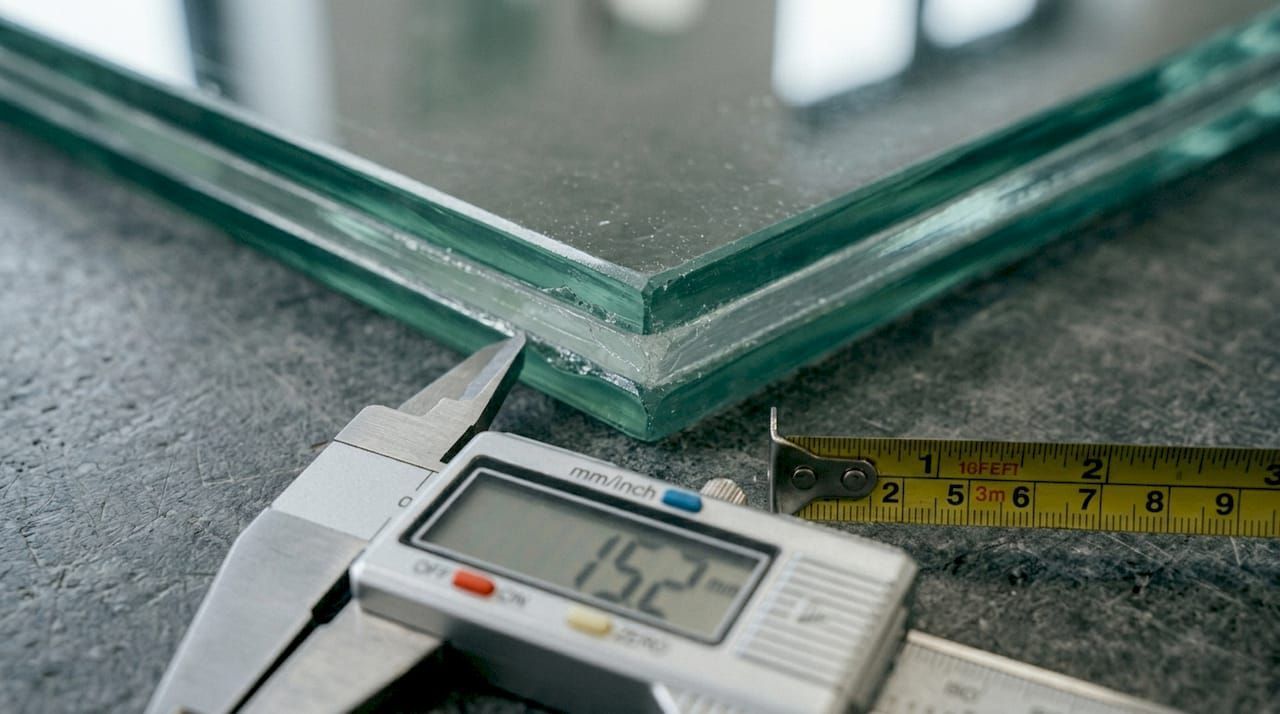
Glass lamination is the process of permanently bonding two or more panes of glass using a transparent polymer interlayer, creating a single composite unit. The industry term for the finished product is laminated glass , and it has been the backbone of structural and safety glazing for decades. The most common interlayer material is polyvinyl butyral, or PVB. Two others worth knowing are ethylene vinyl acetate (EVA) and SentryGlas Plus (SGP), each serving a distinct purpose.
The glass lamination process works like this: the interlayer film is placed between two glass plies, and the sandwich assembly is passed through a series of rollers to remove air. It then goes into an autoclave, a pressurized oven where controlled heat and pressure fuse the layers into a permanent bond. The result is not just glass with a film inside. It is a unified structural panel.
Here is what makes each interlayer type distinct:
- PVB (polyvinyl butyral): The most widely used interlayer. Flexible, optically clear, and excellent at holding glass fragments together after impact. Standard choice for automotive windshields and most architectural applications.
- EVA (ethylene vinyl acetate): More moisture-resistant than PVB, making it a better fit for humid environments or decorative laminated panels. Often used in specialty architectural glass.
- SGP (SentryGlas Plus): Significantly stiffer and stronger than PVB. Used in high-load applications like structural glass floors, balustrades, and hurricane-rated glazing.
The critical design mechanism is what happens after the glass breaks. Rather than shattering into dangerous shards, the fragments adhere to the interlayer and remain attached to the frame. The opening stays covered. The hazard is contained.
Pro Tip: When you see a cracked windshield with a spiderweb pattern that stays in place rather than falling apart, you are looking at PVB laminated glass doing exactly what it was designed to do.
Key benefits of glass lamination
Safety after breakage
The single most important benefit is post-breakage behavior. Tempered glass, when it fails, shatters into hundreds of small cubes. Annealed (standard) glass breaks into large, sharp shards. Laminated glass retains broken pieces and continues functioning as a barrier, which is why it is the preferred choice wherever injury from flying glass is a real concern.
Acoustic performance
The polymer interlayer acts as a damping layer between the two glass plies. Sound insulation and UV filtering are two of the most valued benefits in commercial and residential projects. If you live near a highway or a flight path, the right laminated assembly can meaningfully reduce interior noise levels compared to standard double-pane glass alone.
UV radiation blocking
PVB and EVA interlayers filter out a large portion of ultraviolet radiation. This protects flooring, furniture, artwork, and textiles from fading without significantly affecting visible light transmission. For homeowners and building managers who have invested in interior finishes, this matters far more than most realize.
Here is how laminated glass compares to its main alternatives:
| Feature | Laminated glass | Tempered glass | Annealed glass |
|---|---|---|---|
| Breakage pattern | Fragments held by interlayer | Small cubes scatter | Large sharp shards |
| Post-break barrier | Maintains opening seal | No, falls out | No, falls out |
| UV filtering | Yes, via interlayer | No | No |
| Sound dampening | Yes | Minimal | Minimal |
| Accepted for safety glazing | Yes | Yes | No |
Pro Tip: If noise reduction is your primary goal, specify a laminated glass unit with an asymmetric layup, meaning the two glass plies are different thicknesses. This breaks up sound resonance more effectively than two equal-thickness panes.
Where laminated glass is used
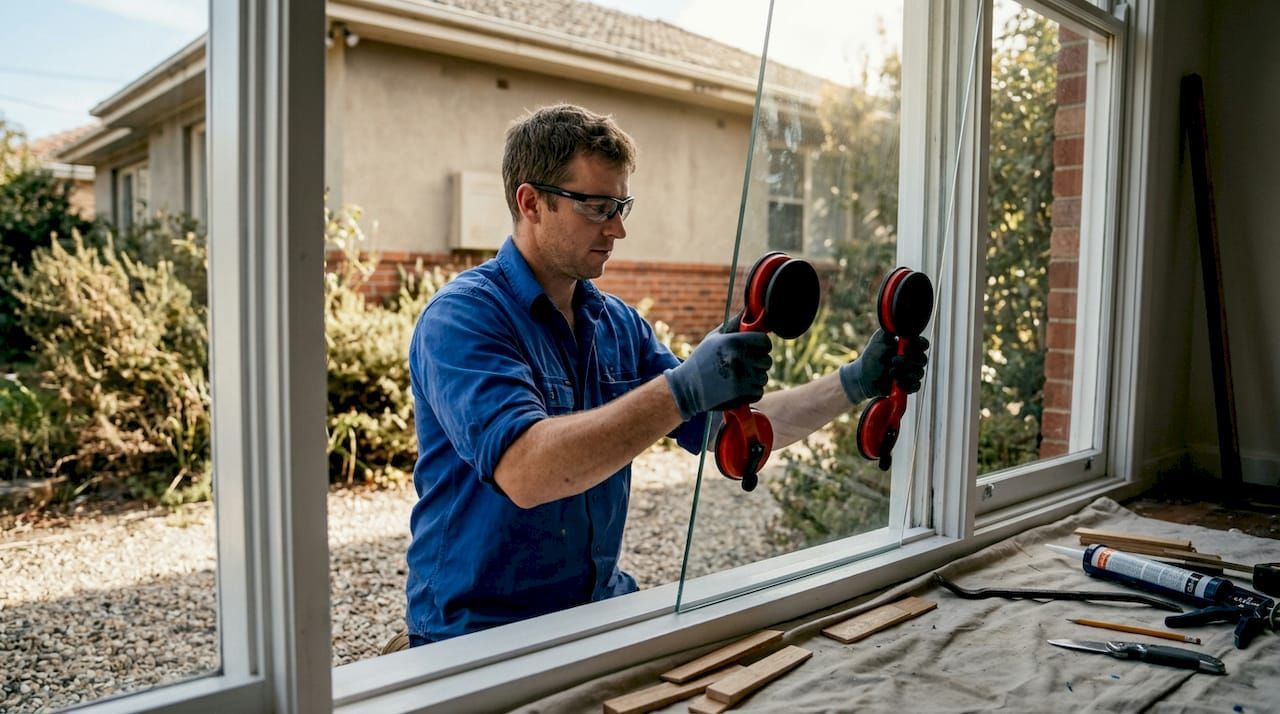
Laminated glass shows up in more places than most people expect. Building codes in the U.S. require safety glazing in what are called hazardous locations. Safety glazing codes require laminated or tempered glass near doors, shower enclosures, stair landings, and windows within 18 inches of the floor.
Laminated glass is an accepted alternative to tempered glass in most of these locations, and in some cases it is the preferred or required option. Here are the most common applications:
- Entry doors and sidelites: Any glazing adjacent to a door within a certain distance must meet safety glazing standards.
- Skylights and overhead glazing: Laminated glass is required here because a broken panel above an occupied space must not drop shards onto people below.
- Balconies and balustrades: Glass railings in residential and commercial buildings rely on laminated or structural laminated glass to meet load and post-breakage requirements.
- Showers and wet areas: Frameless and semi-frameless shower enclosures require safety glazing, and laminated glass is code-compliant.
- Storefronts and curtain walls: Commercial facades use laminated glass for both security and code compliance, especially at street level where forced entry or impact is a concern.
- Residential windows: Windows in children's bedrooms, near stairs, or in low-height locations frequently fall under safety glazing requirements.
Beyond code compliance, laminated glass is specified in hurricane zones, blast-rated applications, and anywhere a broken window would create a serious secondary hazard. The safety benefits used in doors, sidelites, and skylights reduce injury risk across a wide range of real-world scenarios.
Choosing the right laminated glass assembly
This is where most people get tripped up. The word "laminated" on a spec sheet tells you almost nothing by itself. Laminated glass is not a single product but a configurable assembly chosen based on specific performance goals. Two laminated glass units can look identical and perform completely differently depending on the interlayer chemistry and glass thickness combination.
Here is a practical way to think through the selection process:
- Define the primary goal. Is it post-breakage safety, noise reduction, UV protection, structural load capacity, or forced-entry resistance? Each goal points toward a different interlayer type and layup.
- Match the interlayer to the goal. PVB works well for most standard safety and UV applications. SGP is the right choice when structural integrity after breakage matters, such as in glass floors or hurricane glazing. EVA suits decorative or moisture-exposed panels.
- Specify the glass thicknesses. Configurations vary to target safety, sound, UV protection, or strength, and an asymmetric layup (different thicknesses on each side) often outperforms a symmetric one for acoustic goals.
- Verify certifications. Safety glazing compliance depends on certified, tested assemblies, not just on what the glass looks like. Request the certification label and ANSI or CPSC documentation from the supplier.
- Account for production method. Autoclave lamination offers more consistent bonding than vacuum-bag methods for large architectural panels. For high-volume or large-format applications, autoclave-produced units are worth specifying.
One quality issue deserves special attention: delamination. This is a loss of bonding between glass and interlayer that typically starts at the edges and spreads inward. It compromises both appearance and safety performance. The main causes are moisture penetration at unsealed edges and manufacturing defects. Proper edge sealing during production and careful handling during installation are the two best defenses against it.
Pro Tip: Always inspect laminated glass at the edges before installation. Cloudiness, bubbling, or any visible separation at the perimeter is a sign of a compromised unit that should be rejected before it goes into a frame.
My honest take on laminated glass specification
I have worked with enough property owners and contractors to know that the word "laminated" creates false confidence. People hear it, assume the job is done, and move on without asking the questions that actually matter.
What I have learned is that specifying laminated glass correctly is more like ordering a custom meal than picking an item off a shelf. The interlayer type, the glass thickness on each side, the edge treatment, and the production method all shape what you actually get. A generic "laminated glass" spec for a structural balustrade that gets filled with standard PVB is a liability waiting to happen.
The second thing I see constantly is delamination traced back to installation shortcuts. Laminated glass edges need to be protected from sustained moisture exposure. Installers who skip proper edge sealing or use the wrong glazing compounds create the conditions for early failure.
My personal recommendation is simple: if glass is going into a location where code requires safety glazing, treat the certification documentation as seriously as you treat the unit price. A label that confirms the assembly meets ANSI Z97.1 or CPSC 16 CFR 1201 requirements is not just paperwork. It is the difference between glass that performs as expected and glass that does not.
If you are exploring how to add another layer of protection beyond the glass itself, the shatter-resistant window film guide from Surfacetint is worth reading before you finalize your glazing plan.
Upgrade your glass protection with Surfacetint
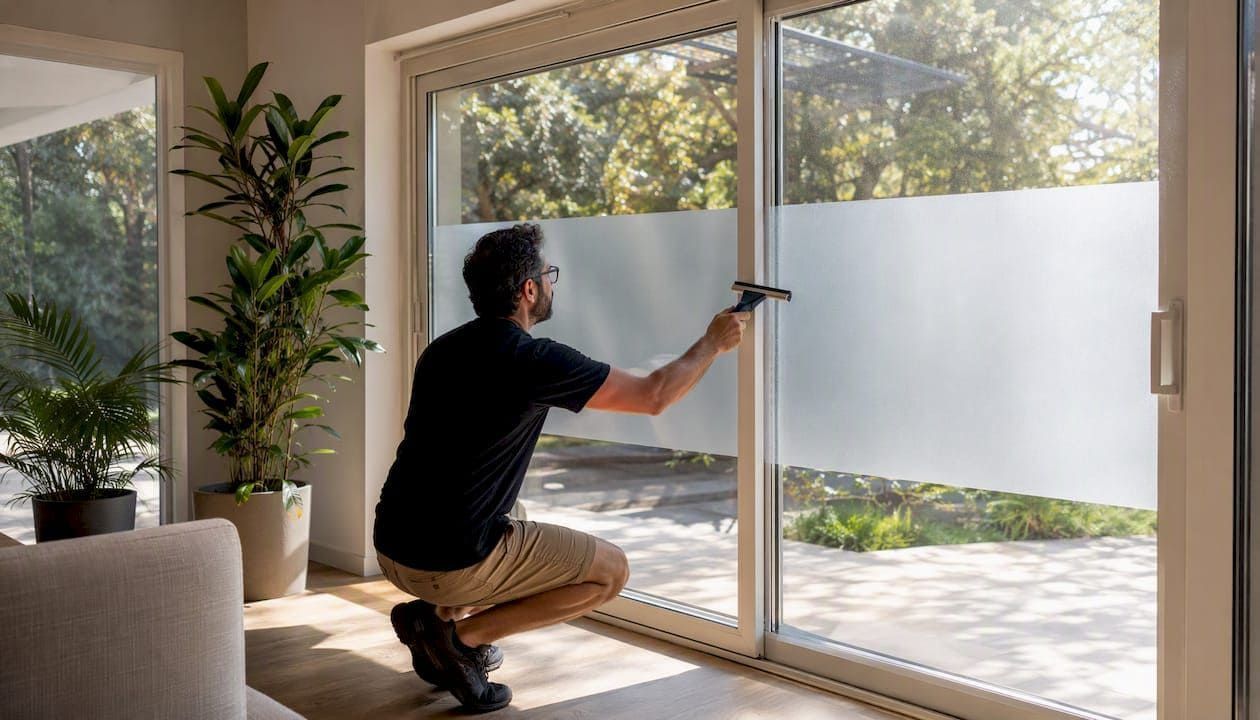
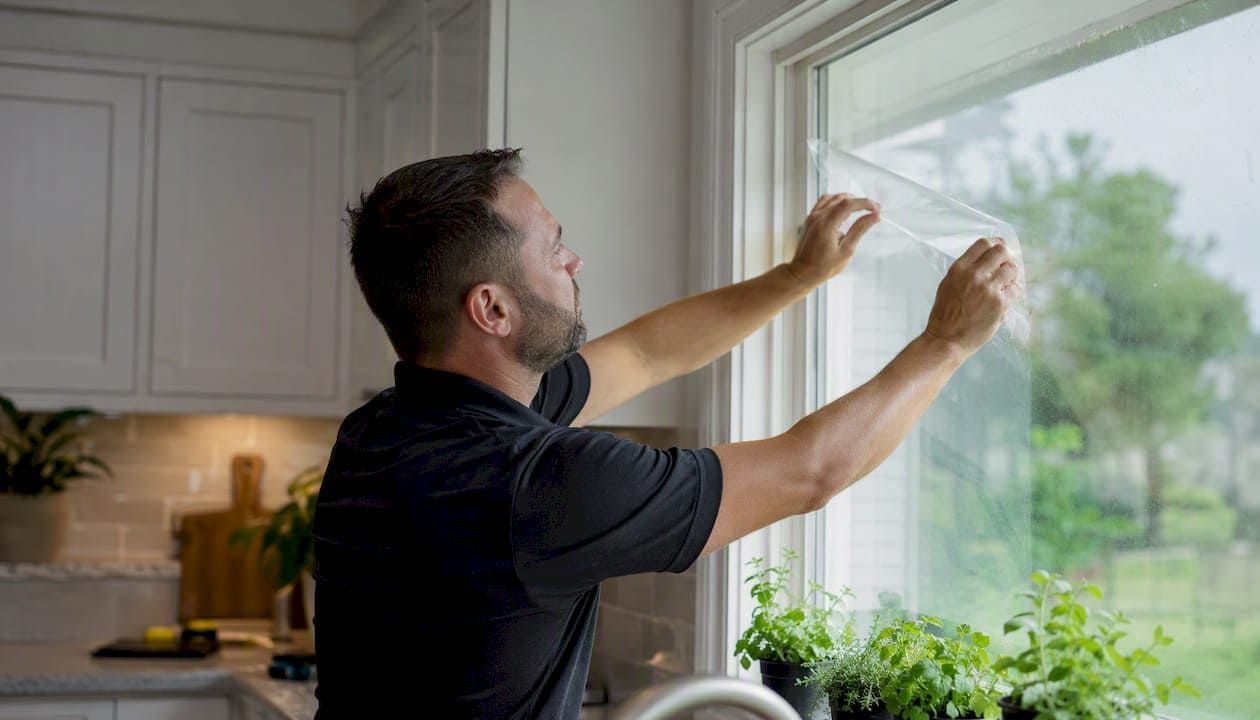
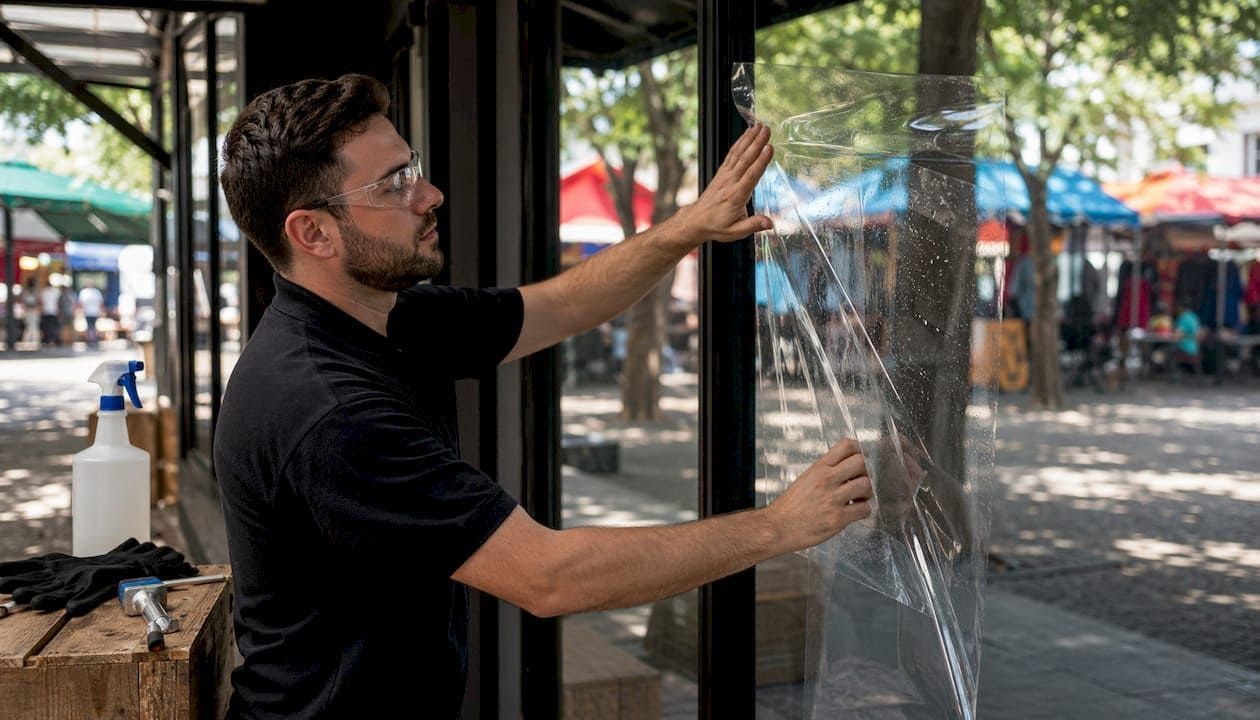
Laminated glass gives you a strong safety foundation, but it does not cover every risk on its own. Window film applied over existing glass is one of the most cost-effective ways to add UV protection, solar heat control, and shatter resistance to windows that are already in place.
Surfacetint installs premium LLumar Vista Films for residential and commercial properties across Southern New Hampshire and the Greater Boston Area. Their safety window film for homes helps hold glass together on impact, similar to the way a laminated interlayer works, and their solar control films block UV radiation and reduce heat gain significantly. Whether you need a solution for a single room or an entire commercial facade, the team at Surfacetint can walk you through the options. Request a free estimate to see what is possible for your property.
FAQ
What is the difference between laminated and toughened glass?
Toughened (tempered) glass is heat-treated to break into small, blunt cubes when it fails. Laminated glass bonds two or more plies with a polymer interlayer so that fragments stay attached after breakage, maintaining the barrier and reducing injury risk. Both types meet safety glazing codes, but laminated glass also provides UV filtering and acoustic benefits that tempered glass does not.
Is laminated glass safe for residential use?
Yes. Laminated glass is explicitly accepted under residential building codes as safety glazing in hazardous locations including entry doors, skylights, shower enclosures, and low windows. Its post-breakage behavior makes it one of the safest glazing options available for homes.
What are the main types of laminated glass interlayers?
The three most common interlayer materials are PVB (polyvinyl butyral), EVA (ethylene vinyl acetate), and SGP (SentryGlas Plus). PVB is the standard choice for most safety and UV applications, EVA suits moisture-exposed or decorative panels, and SGP is used where structural strength is required after breakage.
How does glass lamination protect against UV radiation?
The polymer interlayer in laminated glass filters out a significant portion of ultraviolet radiation before it passes through the glass. This slows the fading of flooring, furniture, and artwork inside a building without requiring a separate coating or tint on the glass surface.
What causes delamination in laminated glass?
Delamination is typically caused by moisture penetrating the unsealed edges of the glass unit or by manufacturing defects in the bonding process. It shows up as cloudiness or bubbling near the perimeter and signals a compromised unit that should be replaced rather than installed
Recommended